
nagaya : part 1
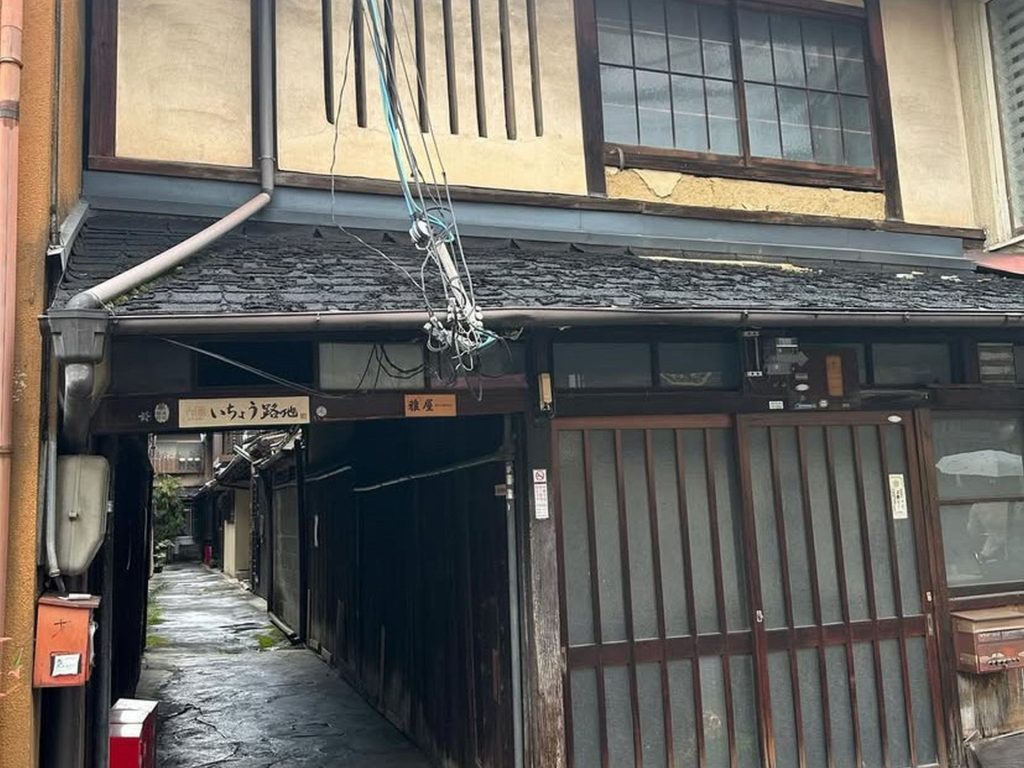
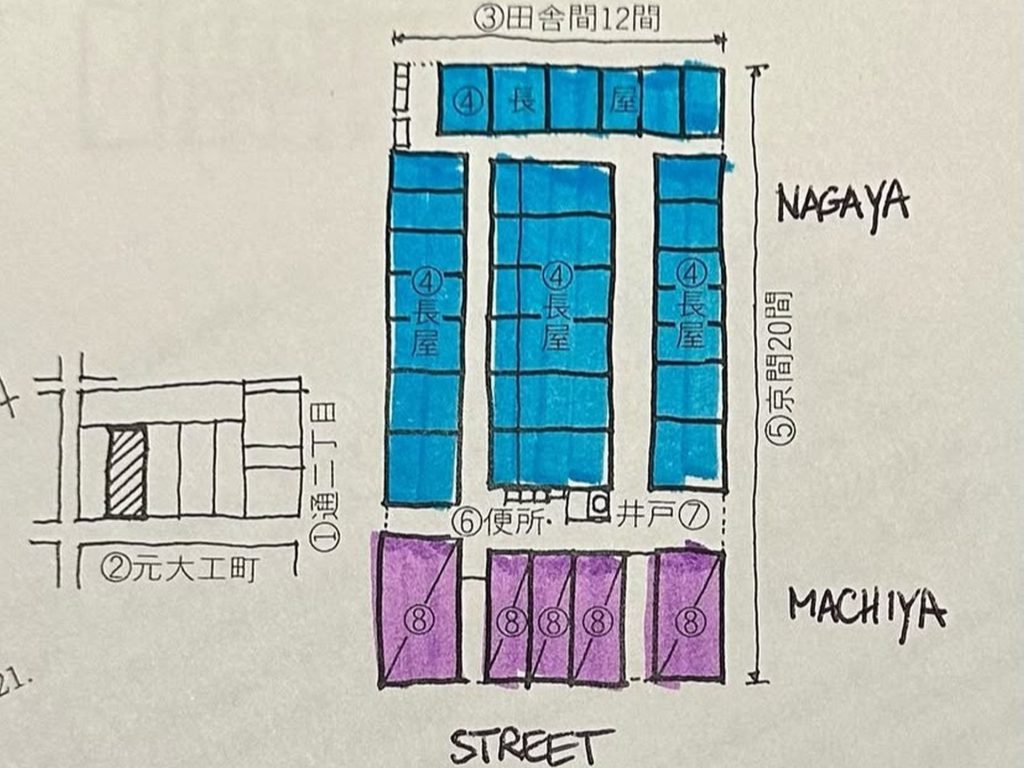
Walking the streets of Kyoto you come across entrances leading to a back alley, and teasing glimpses into the hidden life of the nagaya.
The nagaya (long house) goes back to the Edo period, and is a type of dwelling for the working class. These row houses are one or two stories high, and divided into small rental units with a shared well, lavatories, waste disposal and shrine.
Narrow roji (alleys) run between the machiya at the street front and the nagaya / tenement row houses at the back.
nagaya ajiki roji : part 2

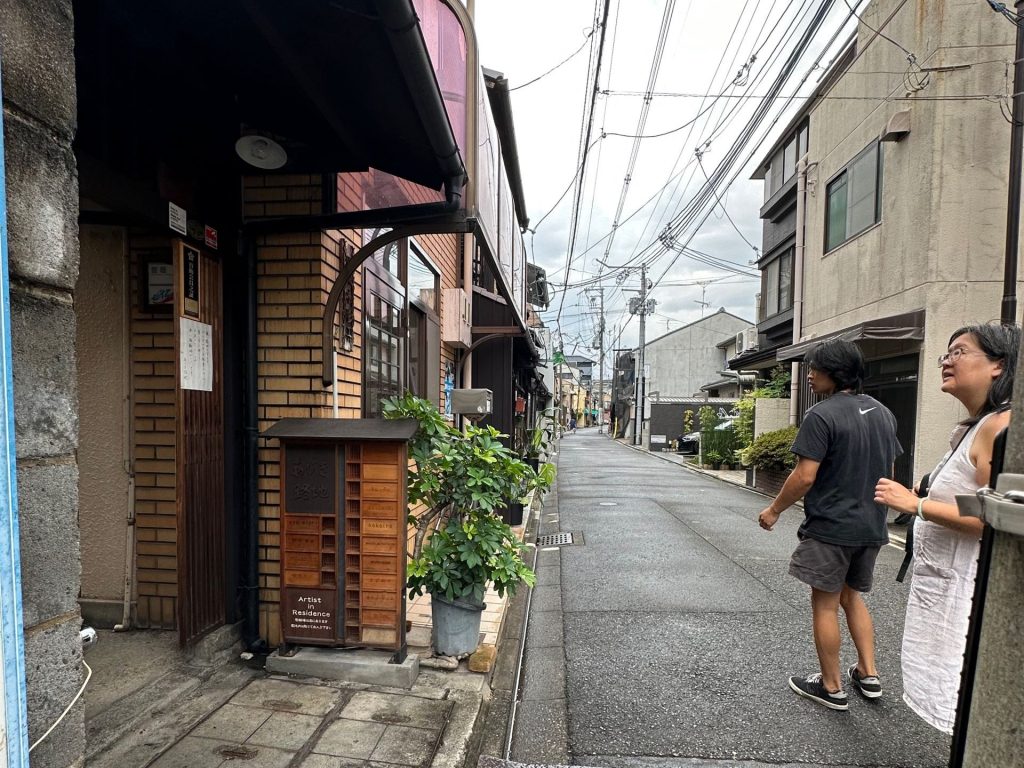

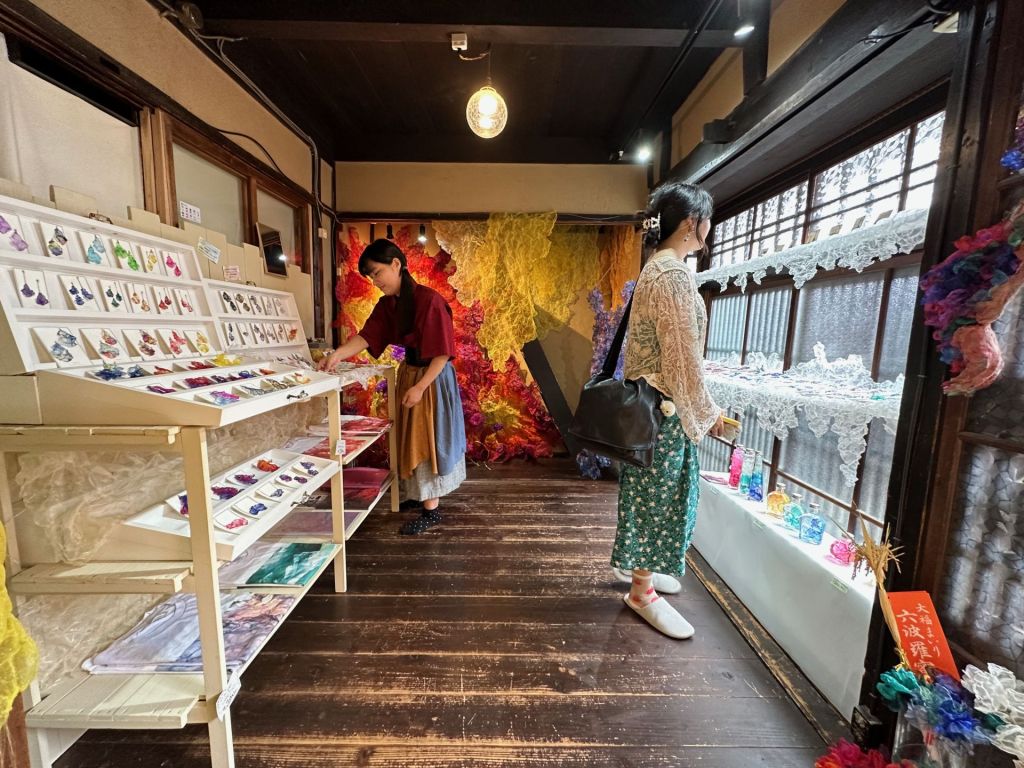
Ajiki Roji is an alley lined with traditional wooden nagaya and is home to several artisan workshops and stores.
Originally dwellings for the working class, the individual units in nagayas are very small. Historically the frontage ranges from 9-12 feet wide and 18-30 feet deep. The units consisted of a simple earthen floor and a raised room behind.
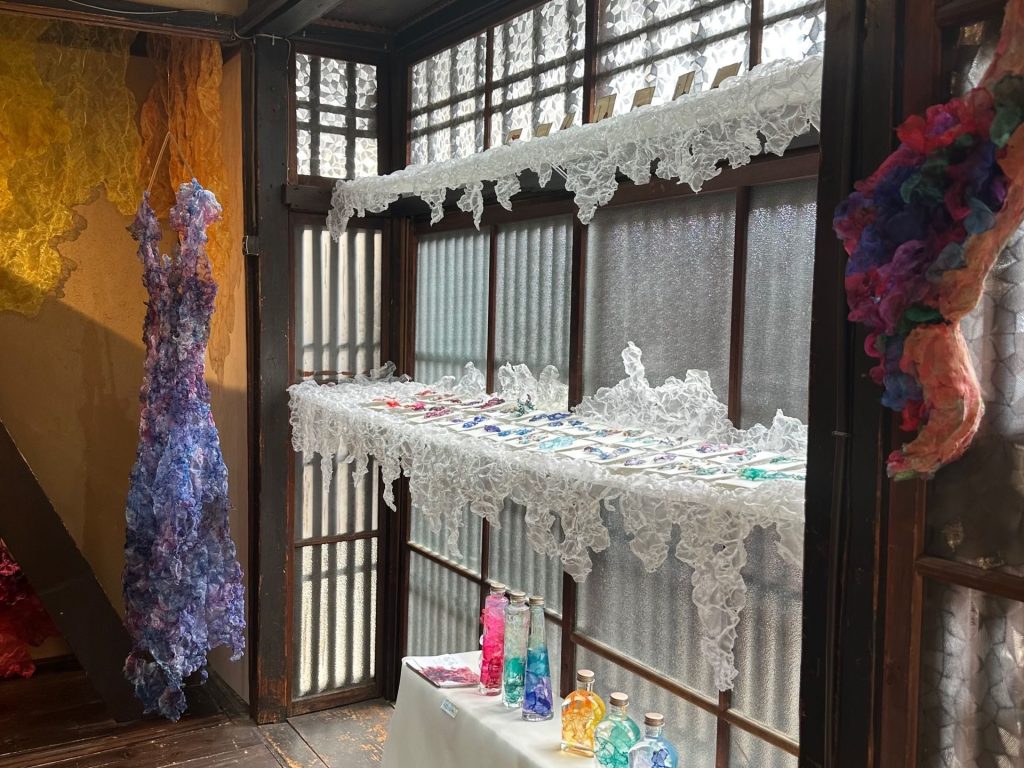
We were fortunate to find Kokoiro, an organdy accessory shop setting up for the day. The interior and wares were playful, colorful and dramatic.
In this small two storey space, the retail, workshop and dwelling are combined. The retail includes a light-filled display case, while the studio is hidden behind the curtain. The stairs/ladder leads to the living quarters on the second floor.
Ajiki Alley came into being in 2004 with the purposeful retention of artistic tenants. It now supports a new generation of young makers and exudes a sense of community — made possible through its vision for and commitment to live/make spaces.
 live | make | transform