

The bones of Kyoto’s town planning were laid out in ancient times, with some of its streets and neighborhoods reflecting forms derived from a main activity and its supporting elements. (i.e. pottery, textiles, leather goods, etc.). These historical neighborhoods still maintain a traditional feel, with narrow lanes, wooden buildings and stone paved streets.
In many ways, these streets and neighbourhoods can be seen as early maker districts : urban areas consisting of makers and their surrounding eco-systems.
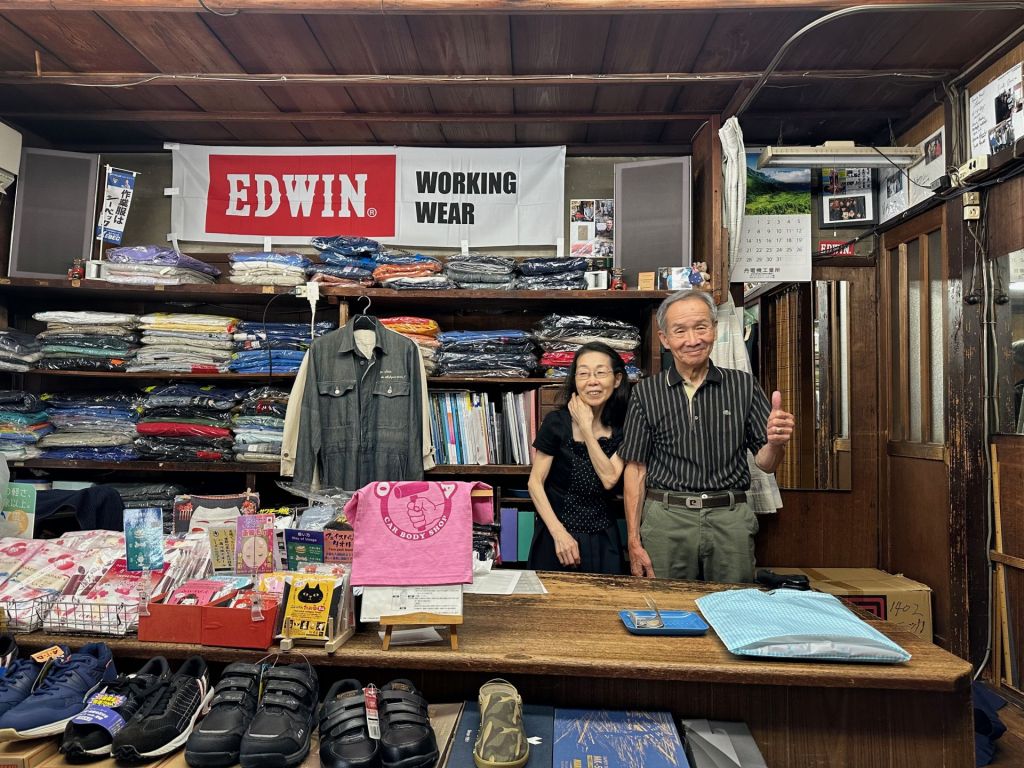
Unlike other Japanese urban centers, Kyoto was not destroyed by bombing during WWII, and has been able to preserve many structures from the past. Kyoto’s traditional streets and shotengai (shopping streets) are the center of many local neighbourhoods and form the pathways that lead up to the temples and shrines. The shotengai are lined with a variety of small, independent, family-run shops and stalls, often offering hand-crafted wares and specialized goods.
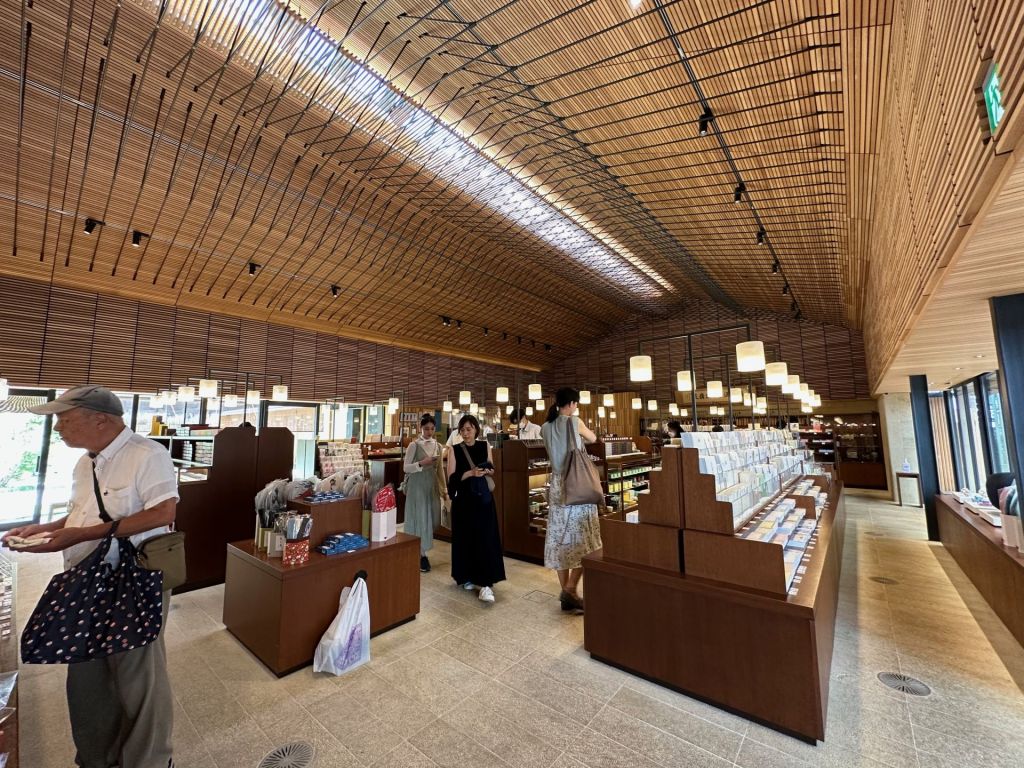
People the world over come to walk along Kyoto’s streets and lanes. But, like the artisan makers in this present time of uncertainty, the eco-system of surrounding and supporting shops, suppliers and trades faces growing pressure. Creeping development, competition from larger shopping malls, rising land values and a lack of successors all present threats to these longstanding districts.
 live | make | transform