


If Kyoto’s pacing is “slow, slow, quick, quick, slow,” then Tokyo’s pacing could be described as “quick, quick, quick.”
Tokyo is one of the most complex, layered and vibrant cities in the world. Many of its neighborhoods are mixed use, mixed in scale, diverse in history and full of stories.
Cities evolve and are constantly changing. The physical environment of urban Tokyo, the hyperreal futuristic metropolis that we often envision, is only decades old.
There are so many ways to experience and try to understand Tokyo. We will be looking at Tokyo’s planned and organic growth in relationship to its makers, maker spaces and maker districts.
destruction & reconstruction
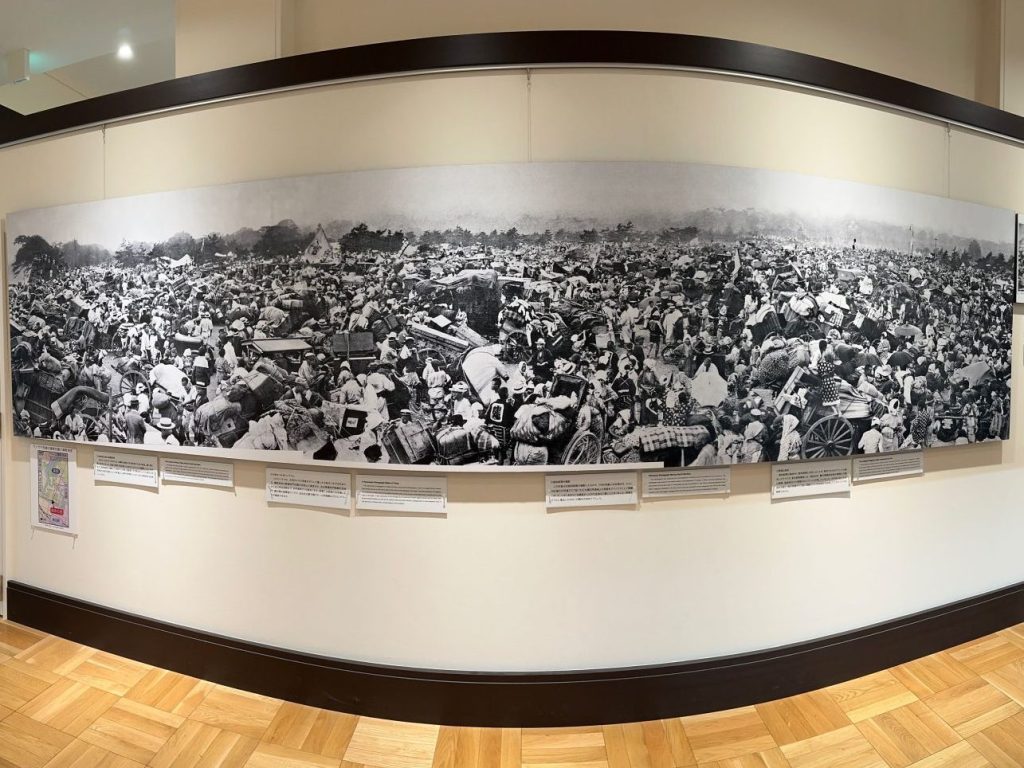
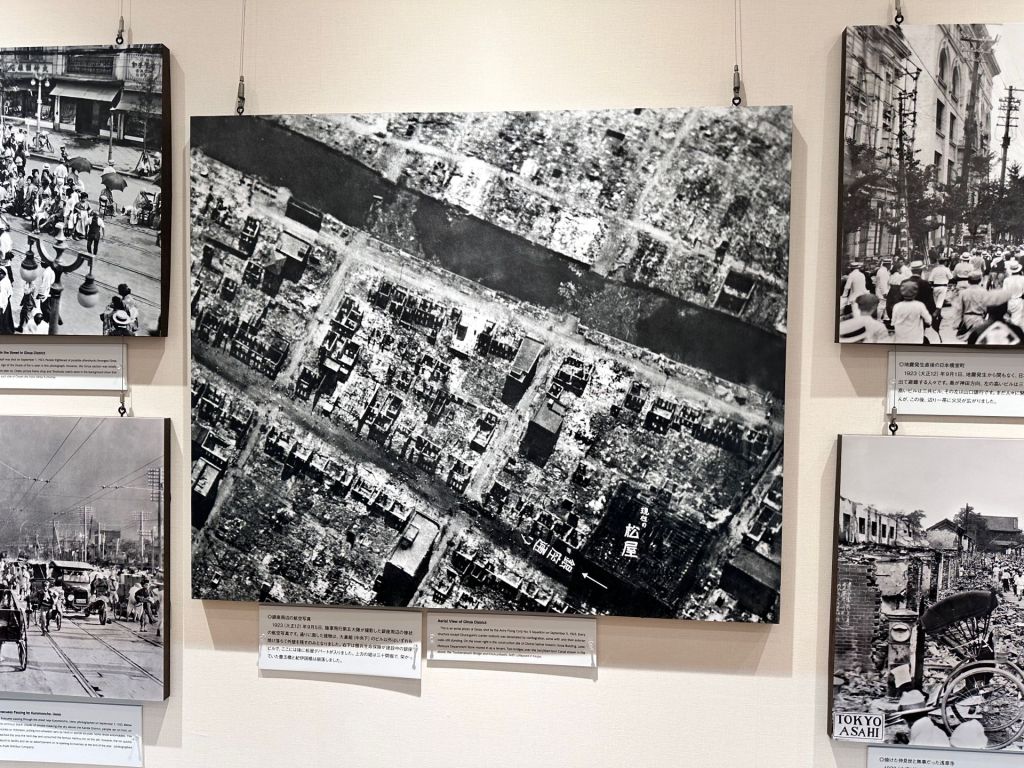
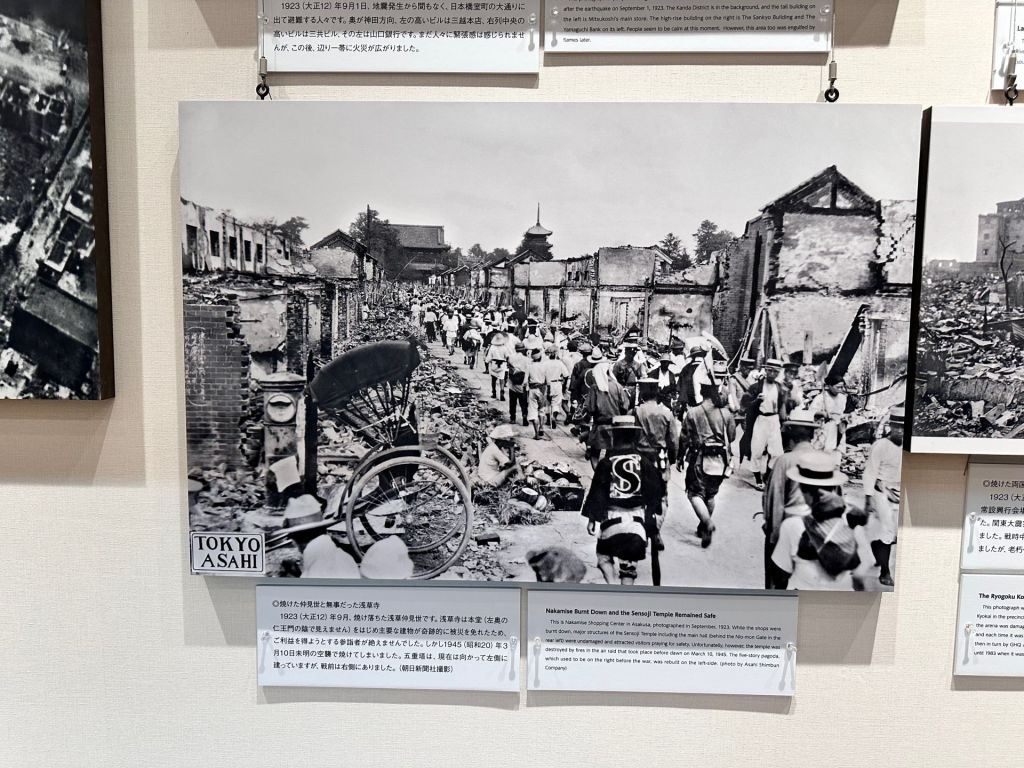
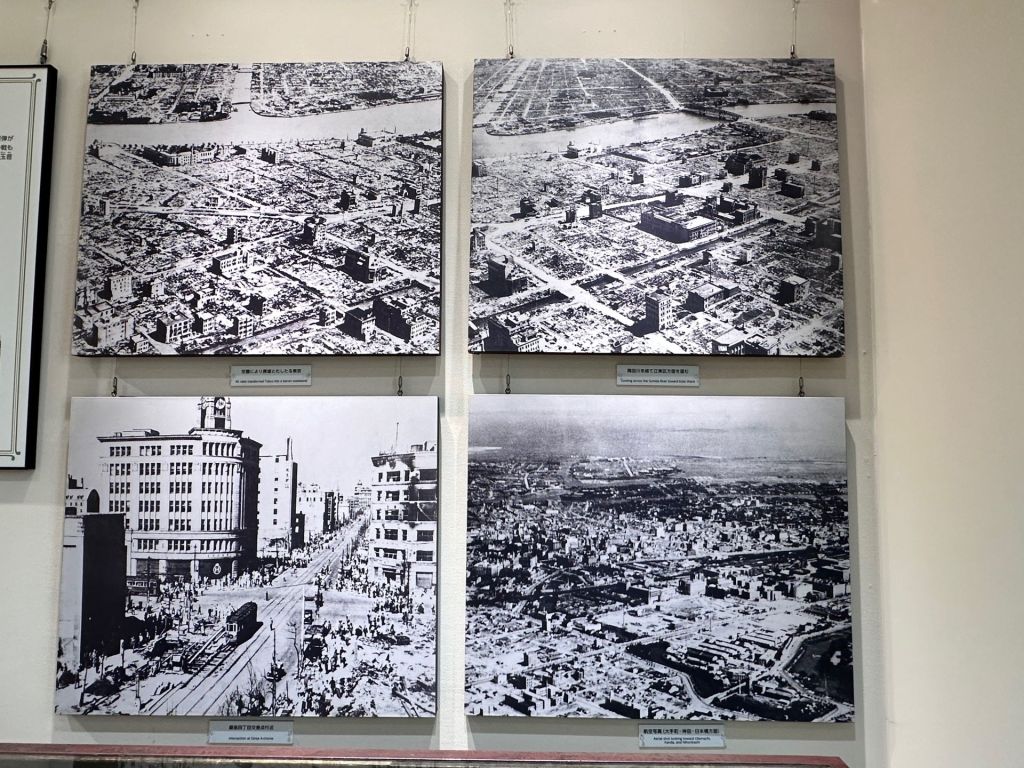
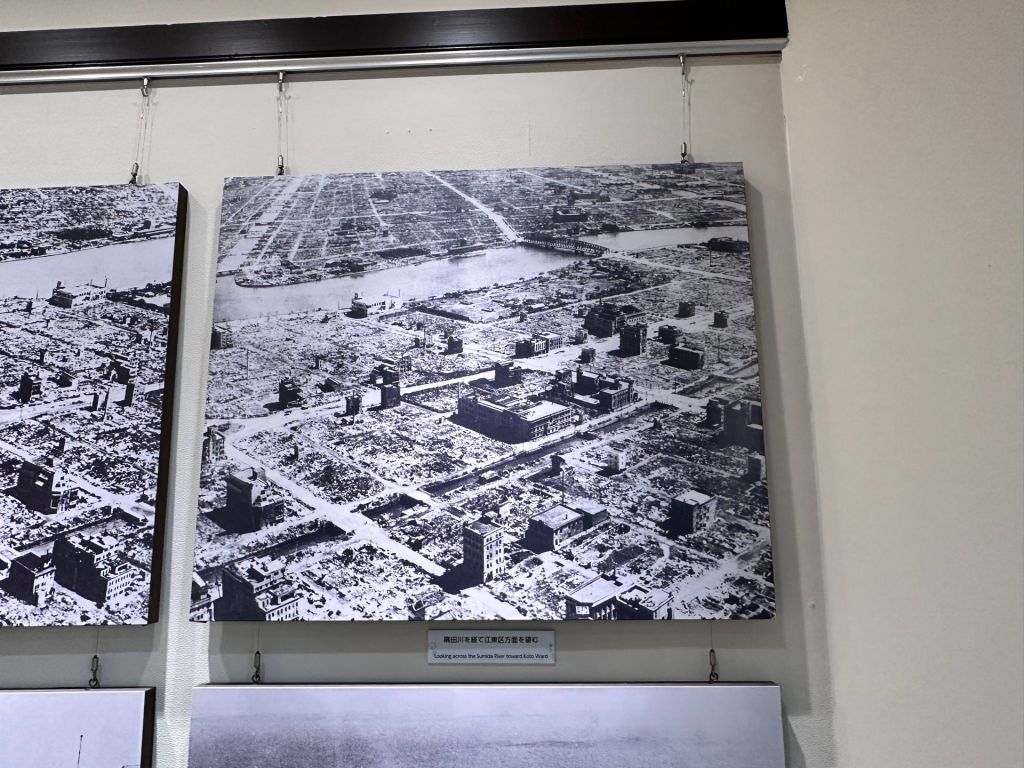
Tokyo suffered over the centuries through fires, quakes and wars — yet its citizens have rebuilt. These complex layers of reconstruction differentiate Tokyo from a city such as Kyoto, which was largely spared from war and natural disaster.
The Great Kanto Earthquake of 1923 is a defining event in Tokyo’s history. It was considered one of the nation’s worst natural disasters. The earthquake triggered a series of tsunamis and the high winds created a maelstrom of firestorms. At the end it was calculated that approximately 140 000 people died and 45% of Tokyo was destroyed. Following the earthquake, a resulting effect was that there was now a concerted attempt at planning and re-shaping Tokyo into a modern city.
War was just as horrific. The Operation Meetinghouse firebombing of Tokyo, committed by the USA on the night of March 9, 1945, is considered the most destructive bombing raid in history. Over 100 000 civilians were estimated to have died, and over one million people were left homeless. Over 40% of Tokyo, with its wooden buildings, was once again destroyed.
It is from the post-WWII rebuilding decades and due to the resilience and resourcefulness of its citizens that the foundations for a new Tokyo emerged.
 live | make | transform