
history : part 1

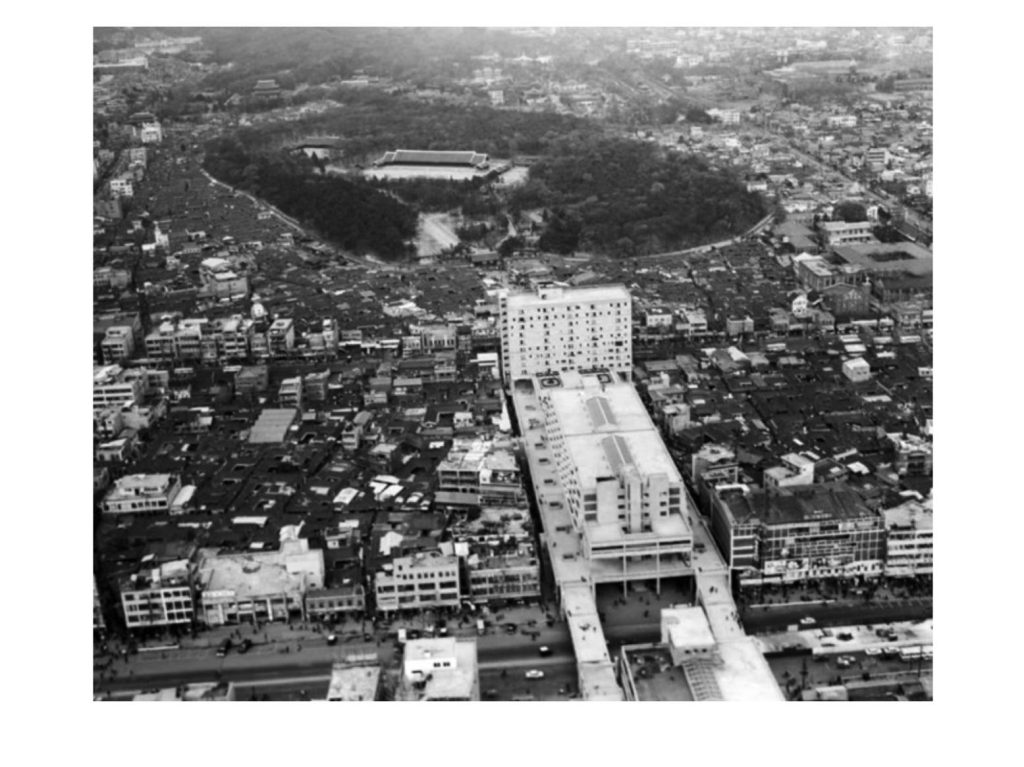
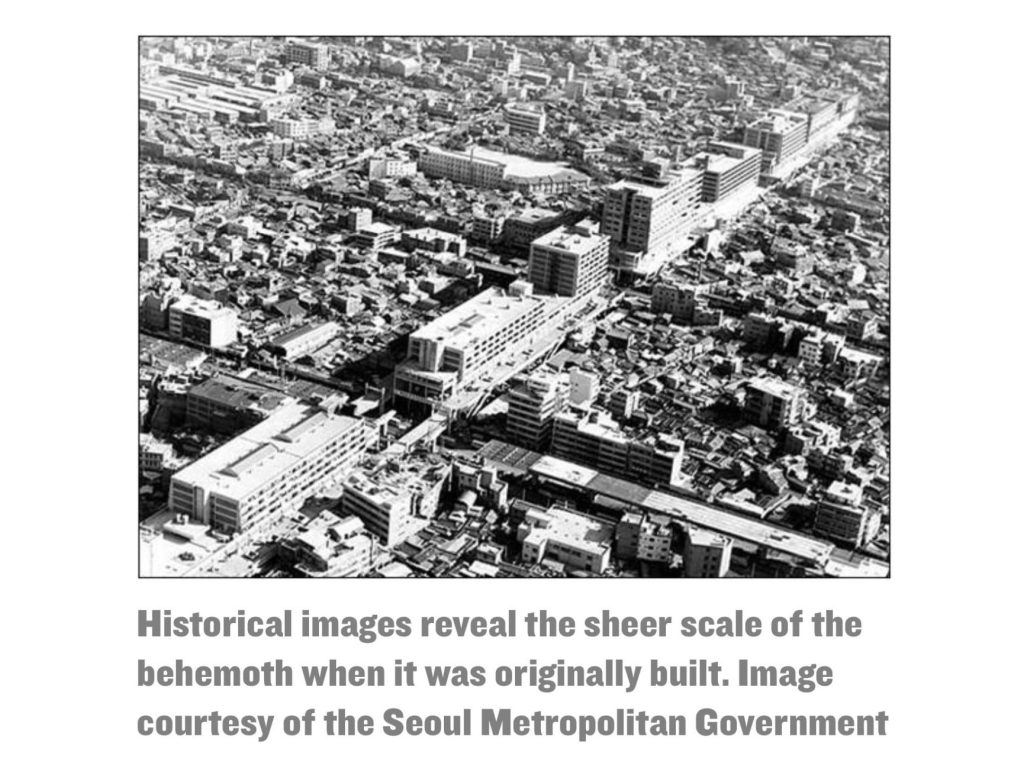

Sewoon Sangga, located in the heart of downtown Seoul, once embodied the ambitions of a city and country that underwent a period of rapid post-WWII industrialization.
Sewoon Sangga is located on land previously cleared during WWII, an attempt to stop the spread of fire post-bombings. After the Korean War, it became an encampment of refugees and squatters — people making do with very little and hoping for a better life.
Built by the Seoul Metropolitan Government from 1967-1972, this megastructure exemplified mainstream ideology of its time, i.e. that large-scale development was the most effective way of city planning.
This city within a city consisted of seven linked megablocks stretching 1.2 km long, and incorporated live, work and play. The bottom layers consisted of small retail and services, while housing and community amenities were in the layers stacked above. Repair, industry and small-scale manufacturing made up the arcade and surrounding neighbourhoods and alleyways.
Over the years, Sewoon Sangga lost its status of admired and enviable address and underwent a long period of decline, marking a seedier way of life. It eventually turned into an electronic market and is now undergoing a period of urban renewal.
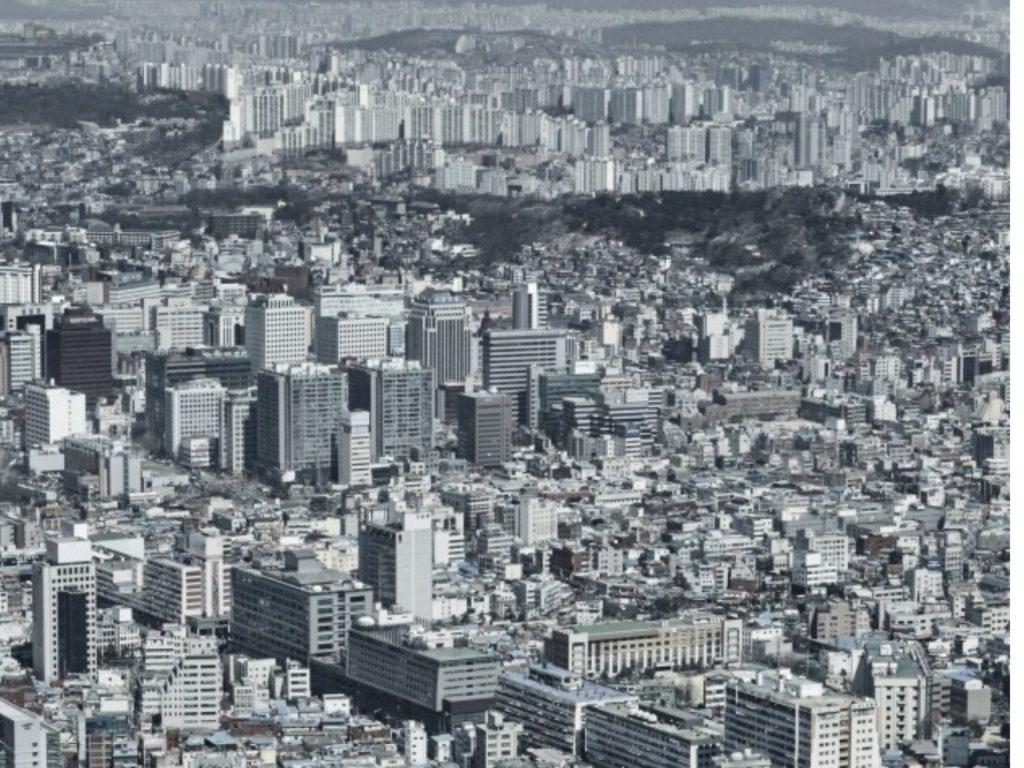
However, Sewoon Sangga’s small manufacturing traditions and ecosystems are meeting the future of rising real estate values. The industrial past butts right up against the modern skyscrapers, attempting to thread the needle between re-invention and total gentrification.
euljiro and the ecosystem : part 2
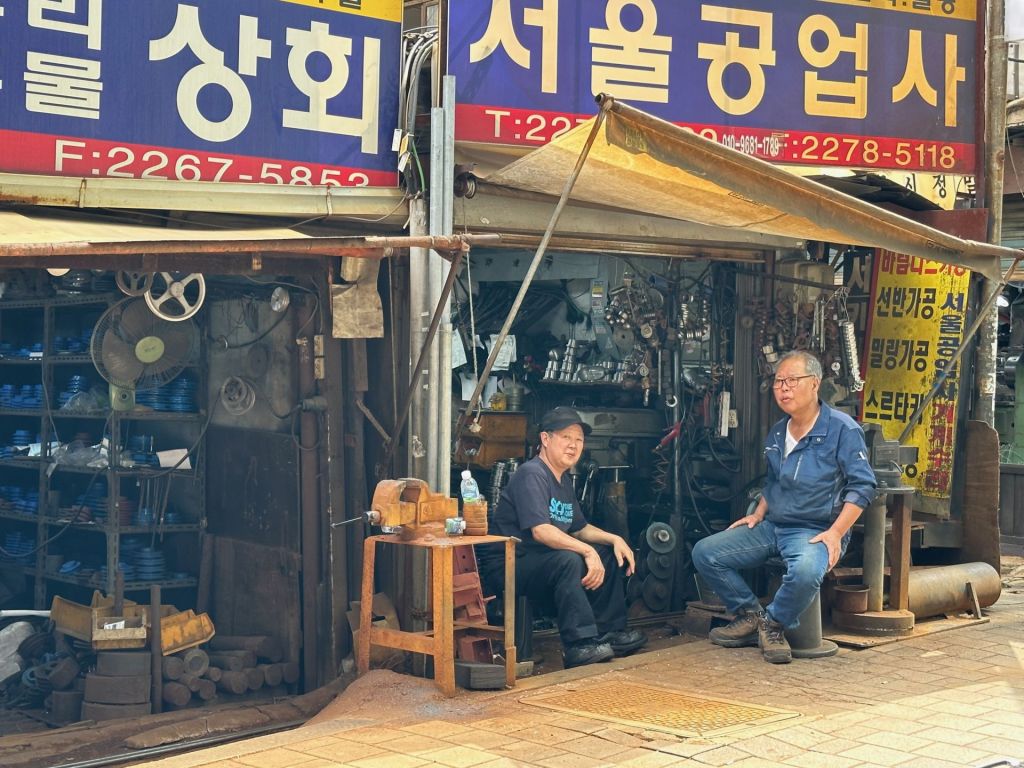
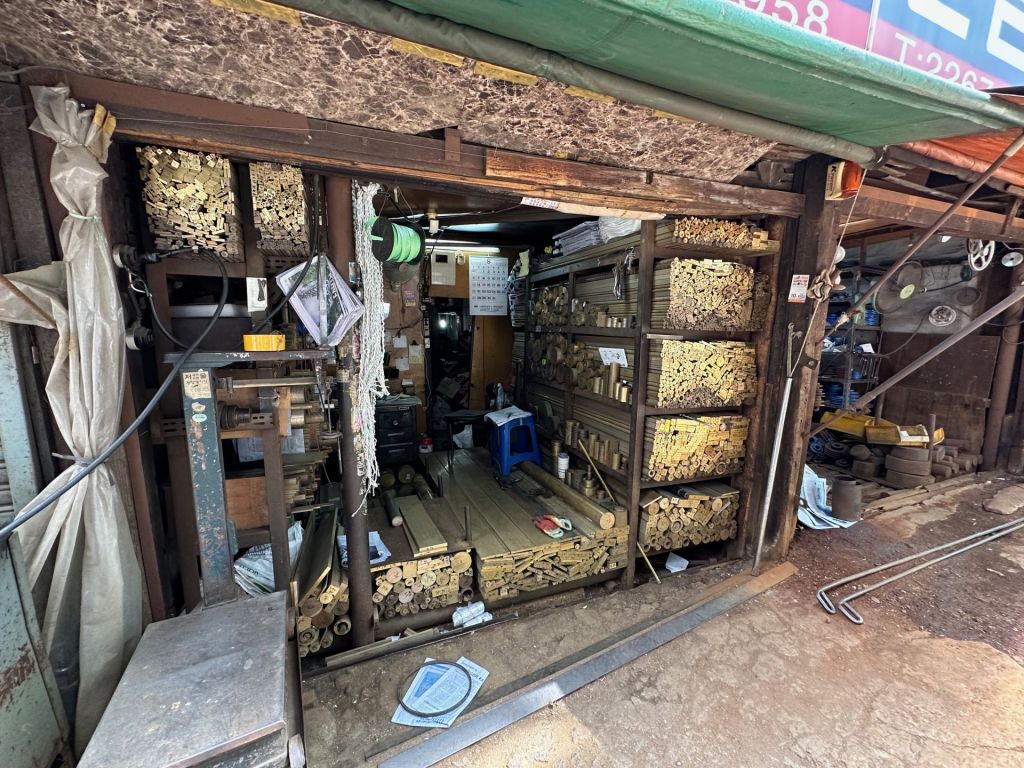
In the post-war period, Sewoon Sangga was integral to South Korea’s ambitions of modernization; moving from an agricultural-based economy towards an industrialized nation, unrelenting urbanization and a manufacturing powerhouse.
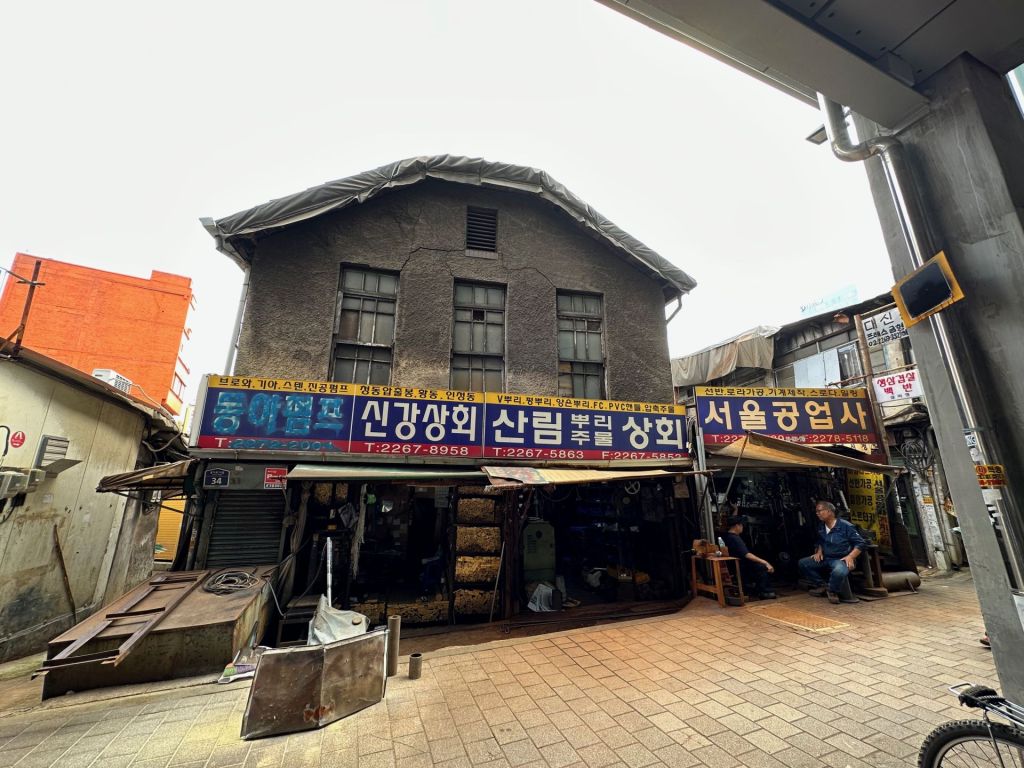
It is well recognized that Sewoon Sangga was able to thrive due to its close working relationship with the surrounding neighbourhood of Euljiro. This expansive network and ecosystem in downtown Seoul included printing companies, paper makers, metal workers, electronic components, and lighting and audio manufacturers/retailers. In Euljiro, the proximity to experienced and knowledgeable craftsmen and suppliers was enviable, driving innovation.
Before it becomes aesthetically pleasing, making is often messy. For those who make, one of the most challenging issues is time — how long it takes to design, to figure out materials and fabrication strategies, to collect materials, to experiment, to discuss with fabricators and trades and to adjust and source new materials, etc.
Over the decades there has been discussions of strategies to improve Sewoon Sangga, even talk of full out demolition.
For the alleyways and workshops of Euljiro, the future is written. Even though there was big talk about trying to limit gentrification, there seems to be little room in the new Seoul for the small scale manufacturers who once helped drive Seoul’s industrial economy. Most are looking to relocate to the city outskirts, with little compensation for the loss of their workshops or the disruption of their livelihood. The shiny new towers are pressing forward.
the future : part 3
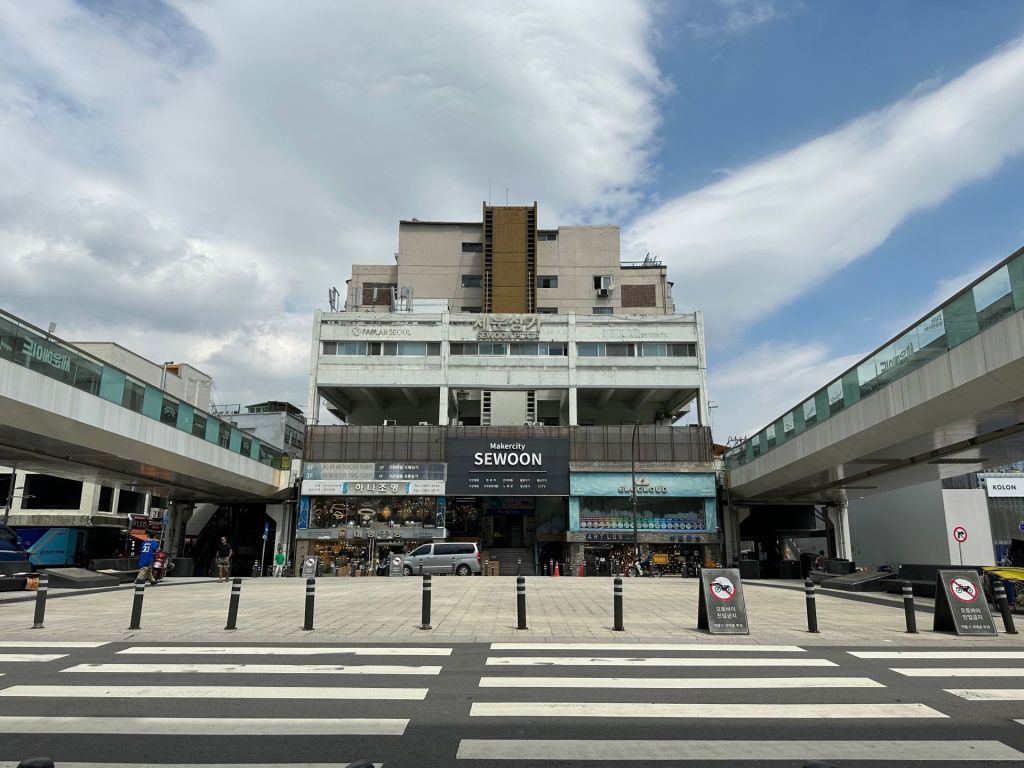

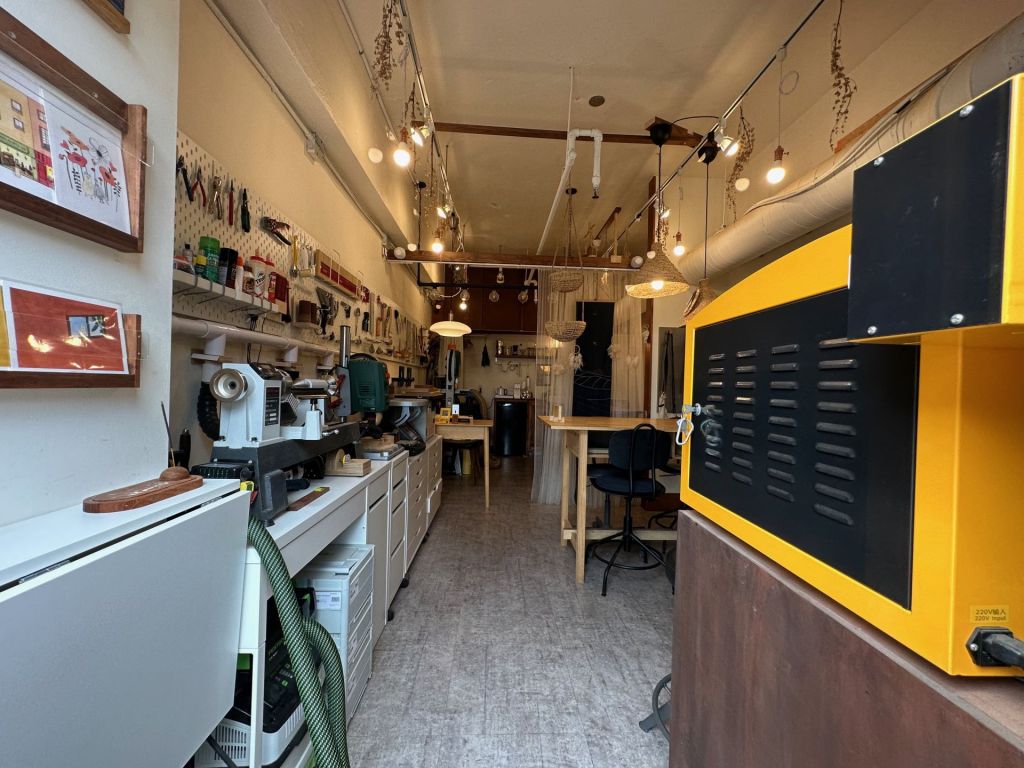
Sewoon Sangga was never going to win any prizes for most beautiful building. A concrete behemoth — at many parts decrepit — its aesthetic leaned more towards the functional and utilitarian. But Sewoon Sangga is an interesting case study in regeneration strategies, and has been presented at Seoul Design City 2017 and the Venice Biennale.
Major urban design moves include new programs for the elevated walkways and additional staircases to increase points of access, encouraging integration into the surrounding city.
Small maker spaces, design studios, workshops and cafes create opportunities for a new generation, but it seems very precarious for the older…
 live | make | transform