


Hybrid buildings, buildings with multiple uses, are currently in vogue. But hybrid buildings are not new — Live/work and live/make dwellings have been present for centuries.
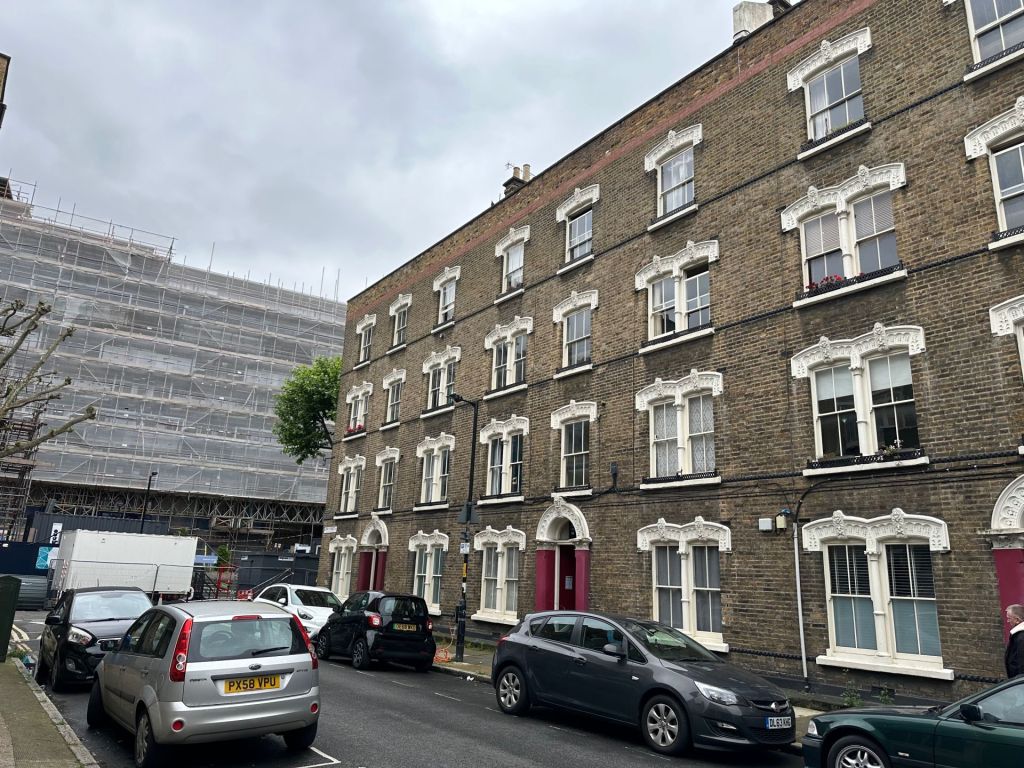
Pullen Yards was purpose-built in the late 1880s for craftspeople — furniture makers, artisans and small-scale manufacturers, people who worked with their hands and needed a workshop space for their livelihood.
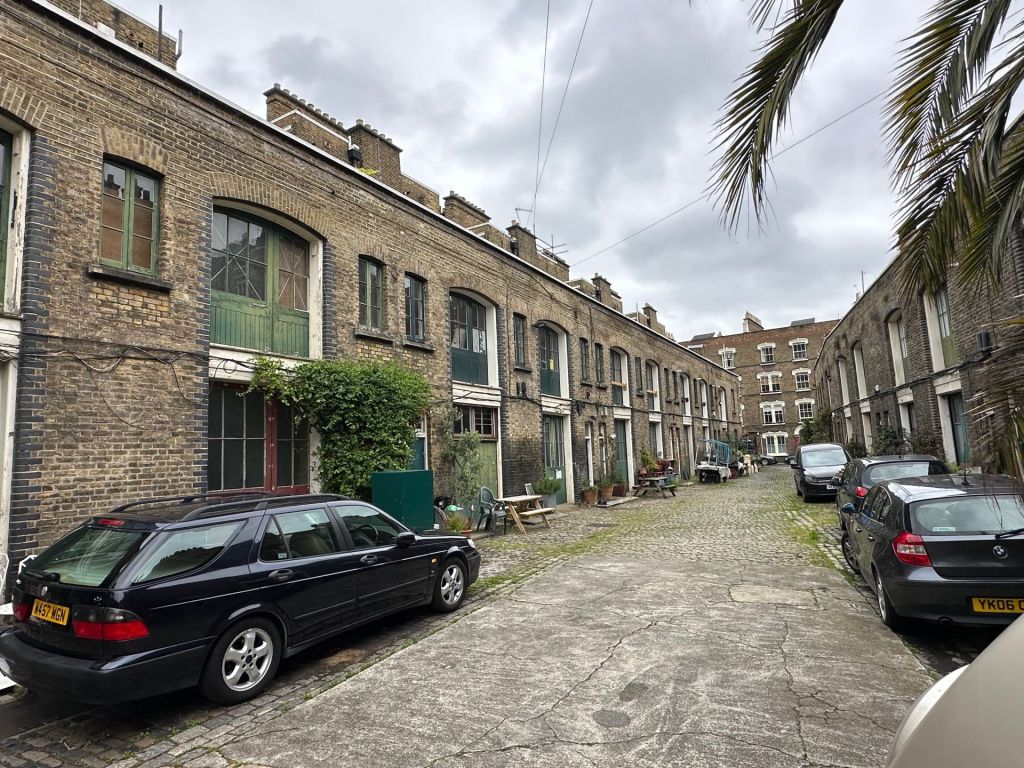
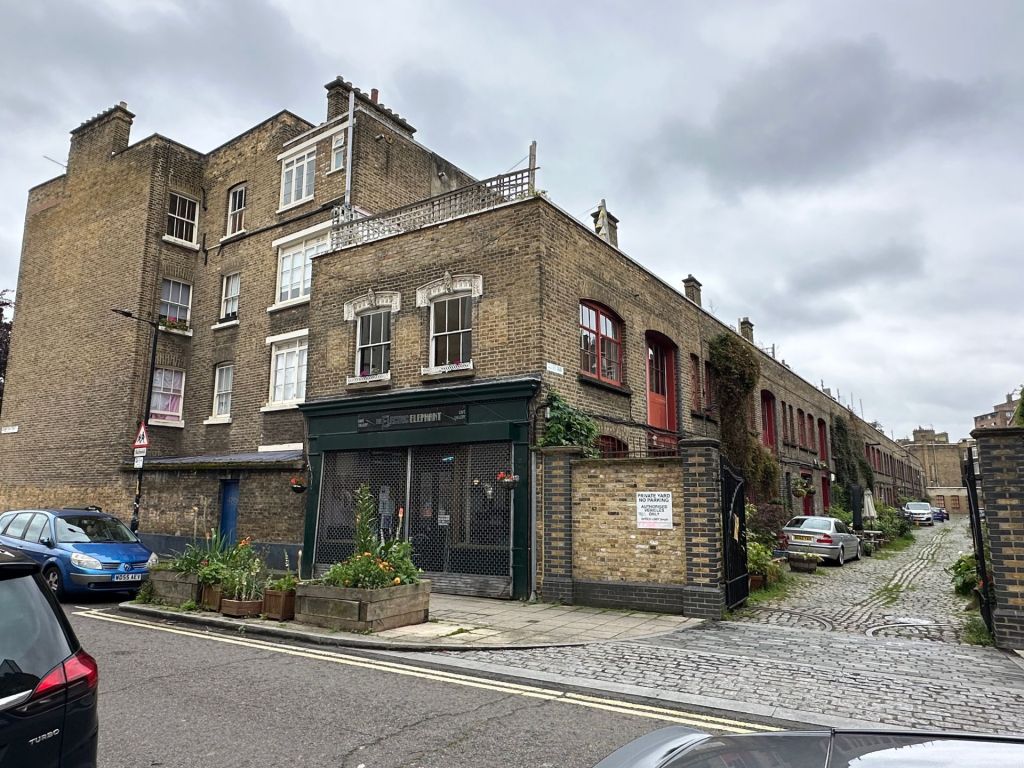
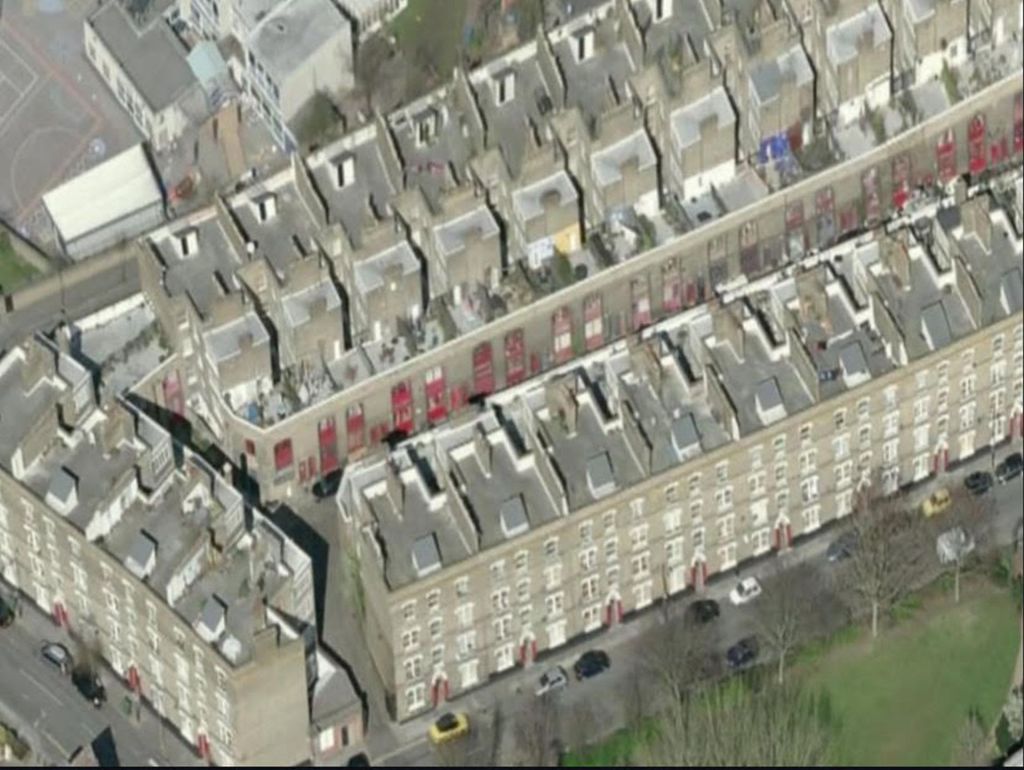
Pullen Yards originally consisted of live/make units with a residential dwelling (including street frontage) connected to a workshop space (in the back, looking out onto the yards). Currently, the residential and workshop are separate, and the workshops are still operational as maker spaces.
In Iliffe Yard (red doors) and Peacock Yard (green doors), indicators of a different usage can be seen in the various sizes of the door openings.
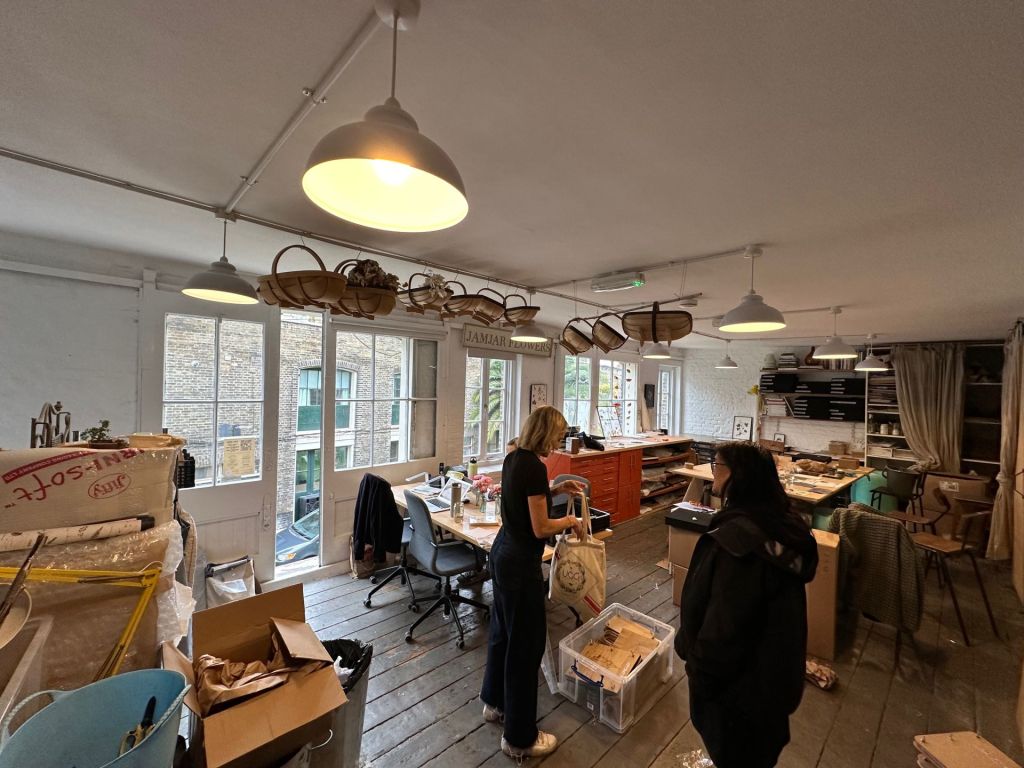
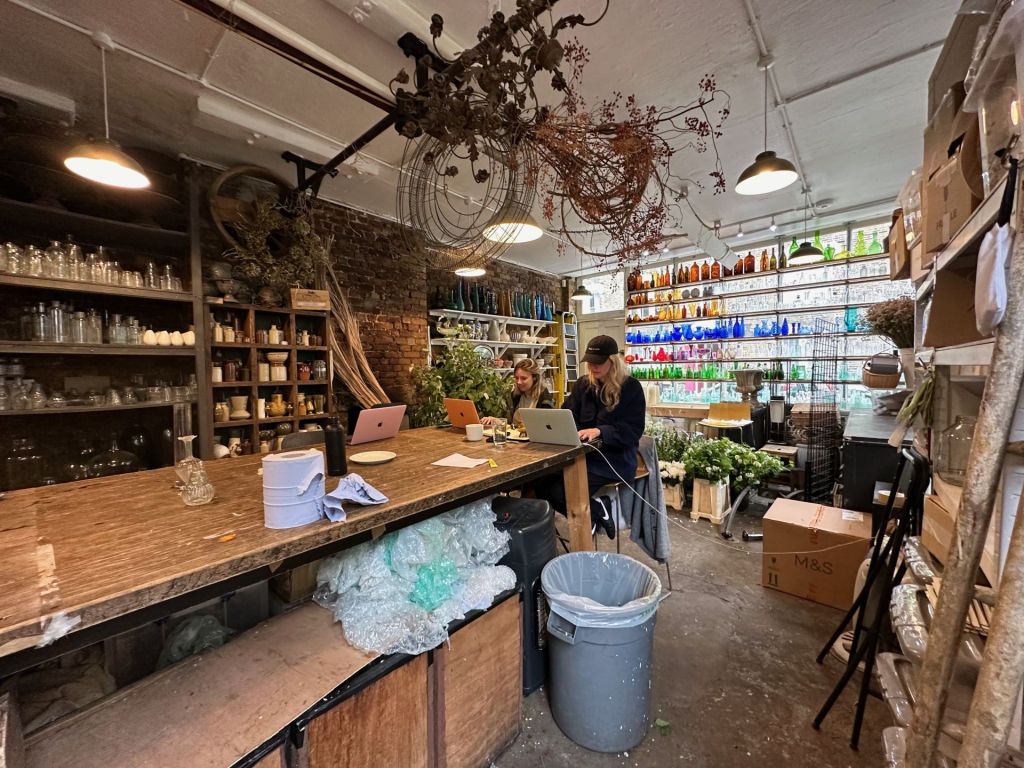
We visited JamJar Flowers, who have a floral design studio in a ground floor unit and a flower pressing studio on the second floor.
JamJar Flowers has been in Pullen Yards for over 10+ years, and even though they should expand to a larger space, they have no intention of leaving this maker community.
The workshops have a small square footage, there is minimal plumbing, and there is no heating or insulation — so it is cold in the winter and hot in the summer. There is no elevator, and washrooms are walk away at the back of the yard.
However, the workshops at Pullen Yards, decades later, still offer an amazing and unique work place experience in the London core.
Makers, both start-ups and established small businesses, need affordable workspace in an increasingly unaffordable city.
 live | make | transform