
poplar works : part 1

Whenever we choose and visit a site, we ask the questions :
1) Who is this for?
2) Who conceived it?
3) Who funded it?
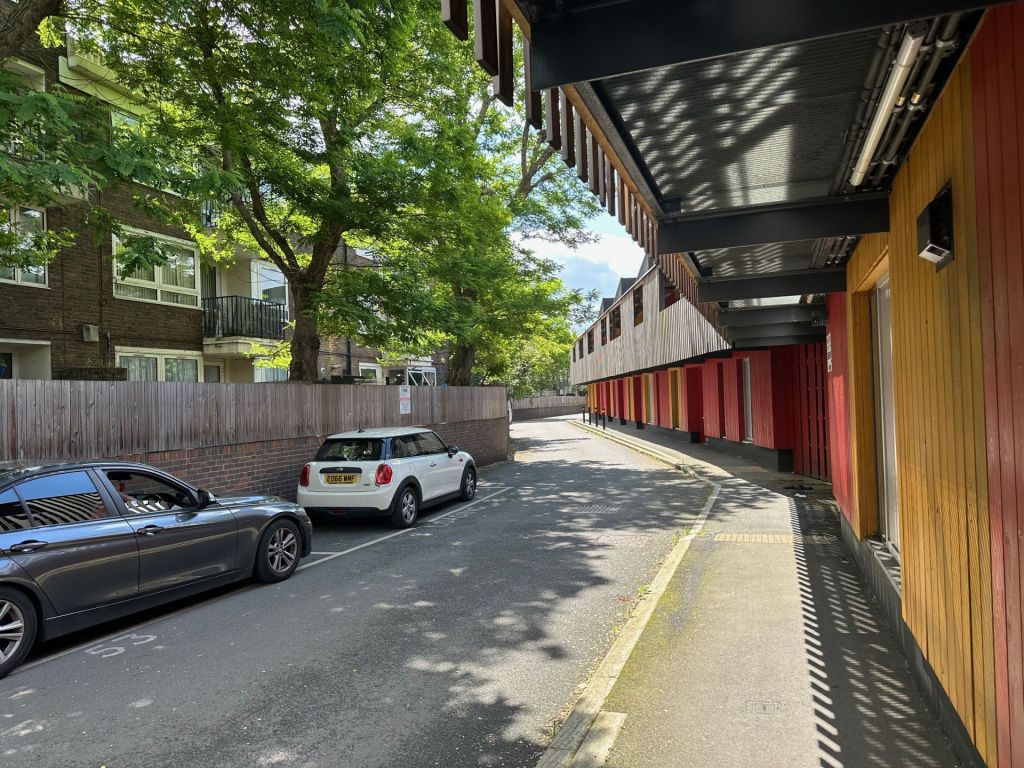
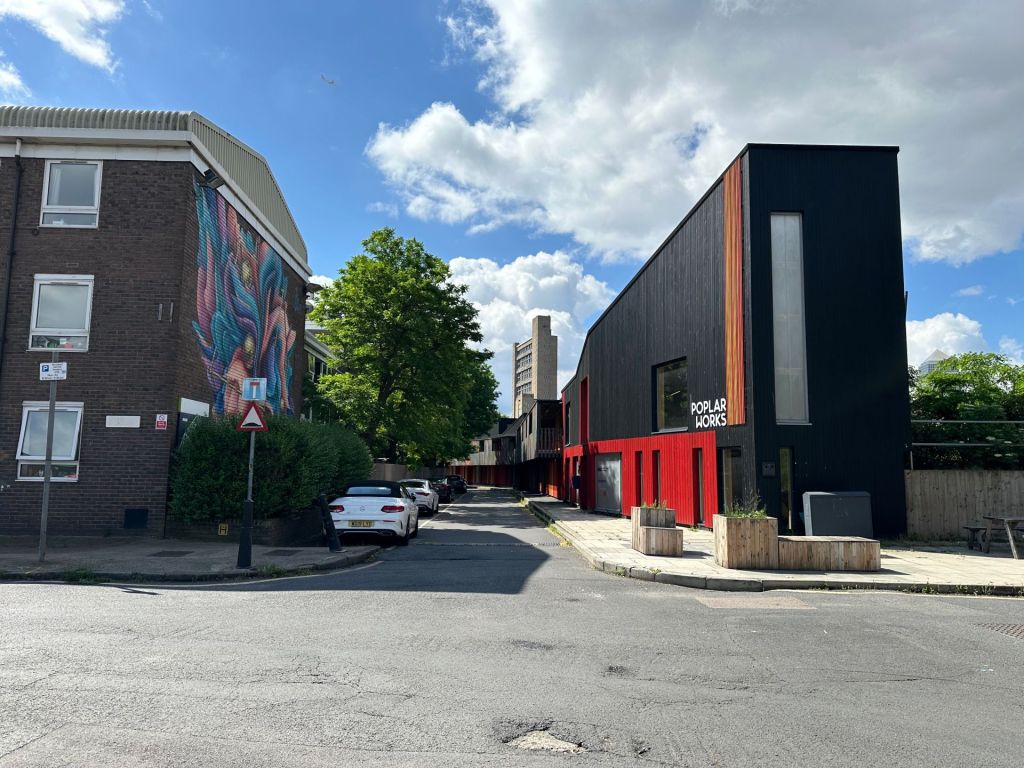
Located in Tower Hamlets, an underserved neighborhood in East London, Poplar Works is a purpose-built complex of workshops and small maker spaces.
Poplar Works is a partnership between Poplar HARCA (a local housing association), The Trampery (a social enterprise which manages the spaces), and the London College of Fashion (UAL). This venture is also supported by the Mayor of London.
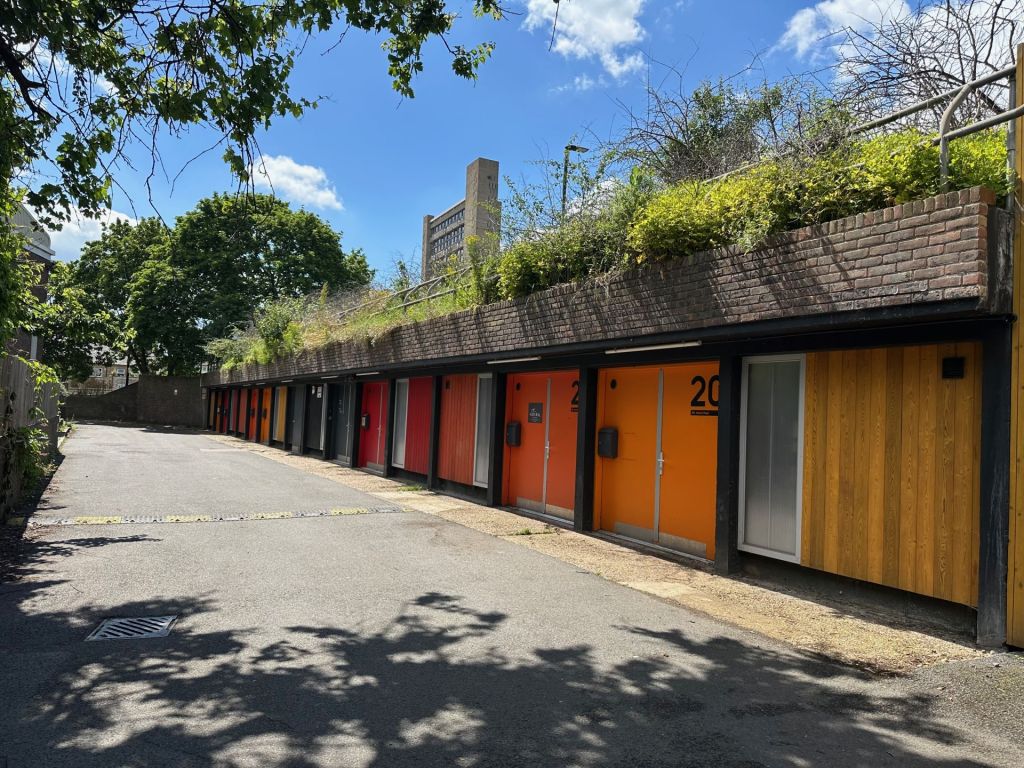
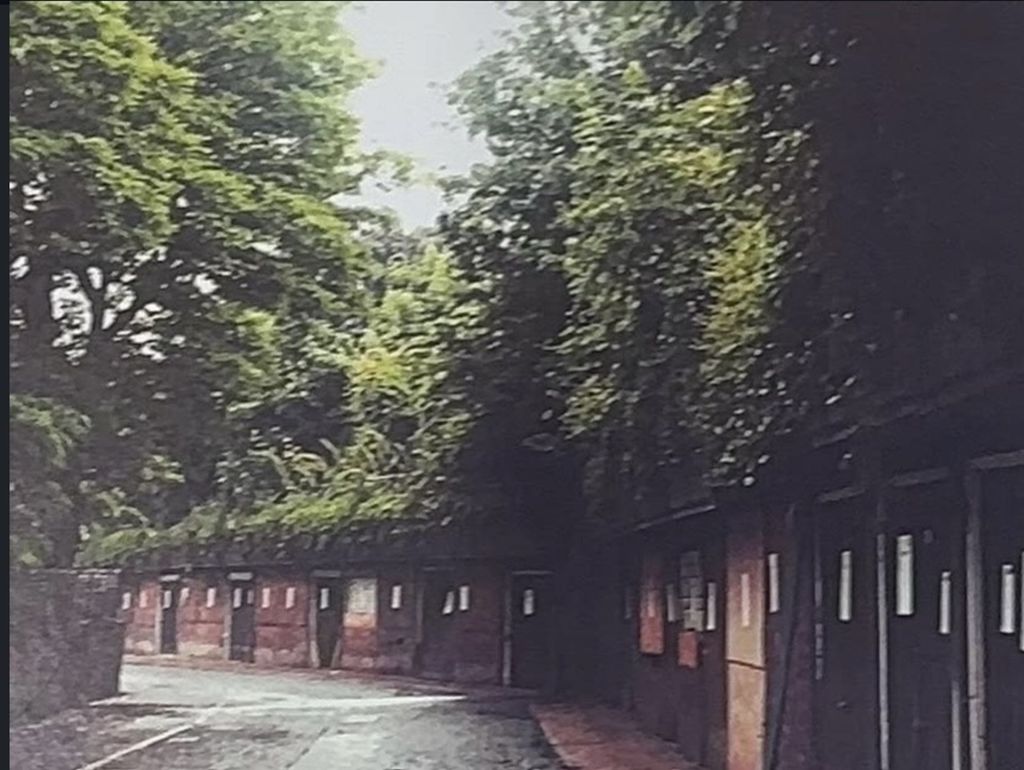
Poplar HARCA looked at its existing inventory and identified a problematic site : 101 underused garages on a dead end street. They believed these derelict garages could become something more, and so in partnership with the London College of Fashion — who were looking for a satellite space — Poplar Works is now becoming a community hub for the fashion and garment industry.
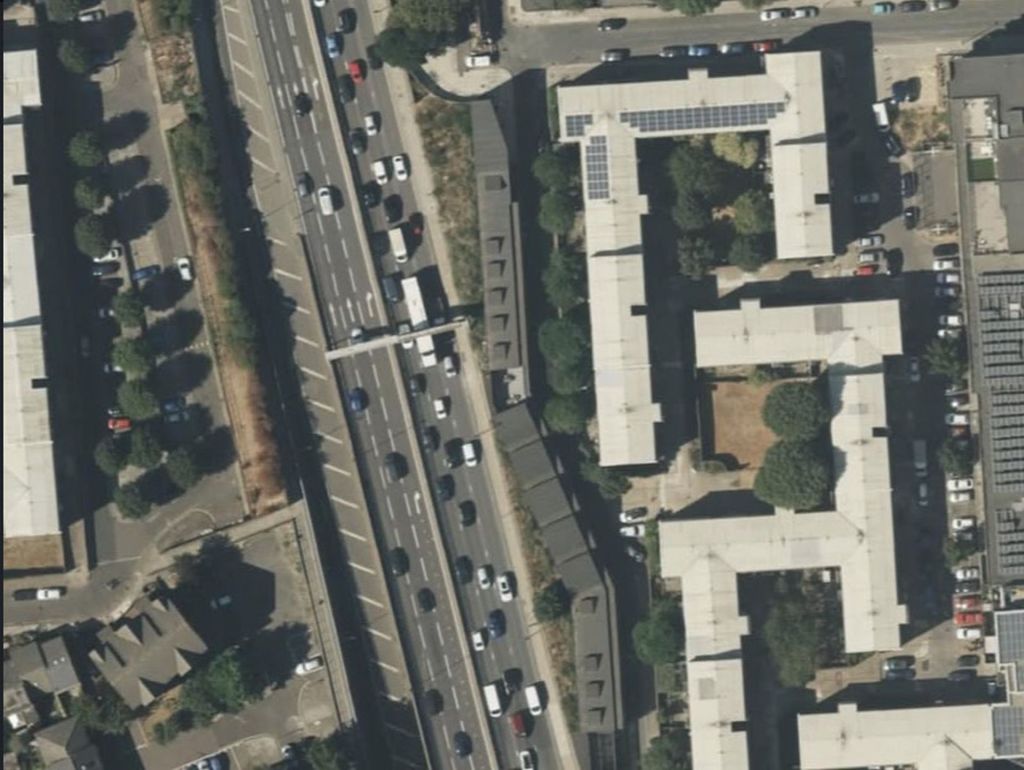
Poplar Works is located between a housing estate and a busy highway, on land that once seemed isolated from the rest of the city. This linear building and nearby Makery now houses forty studios for small-scale makers, a small production workshop and training center, and a cafe.
The aim is for a variety of affordable workspaces, which can help support makers and small businesses in the early stages of the textile and fashion industry. Efforts are made to attract local entrepreneurs and build an engaged and rewarding community.
poplar works : part 2
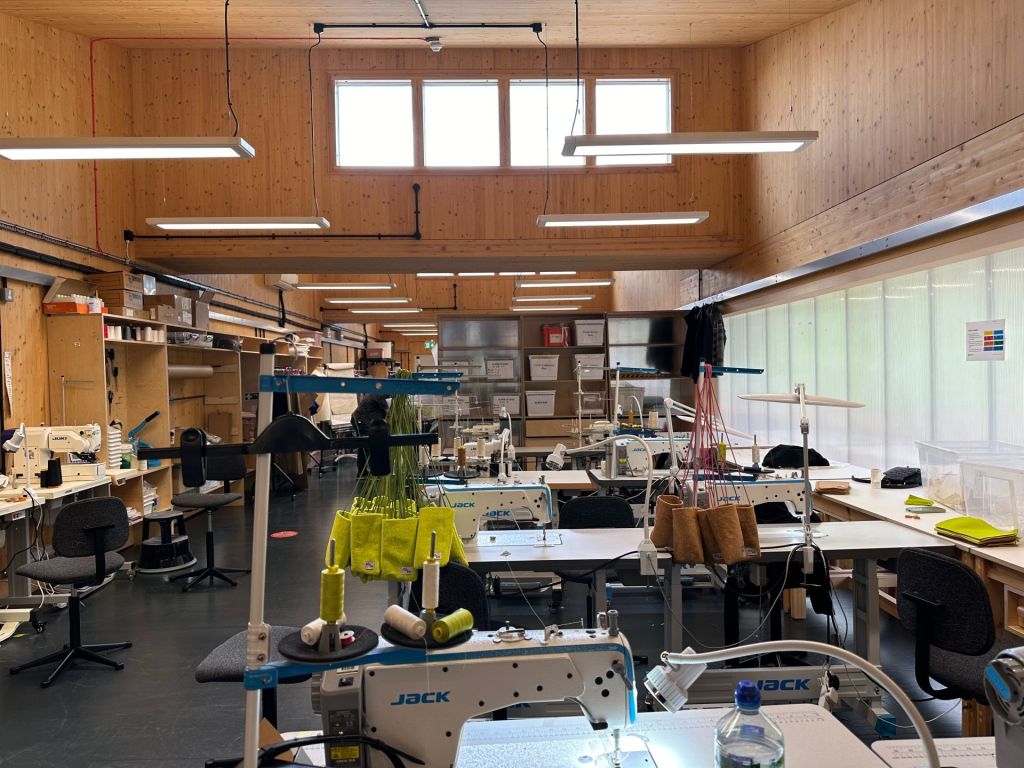
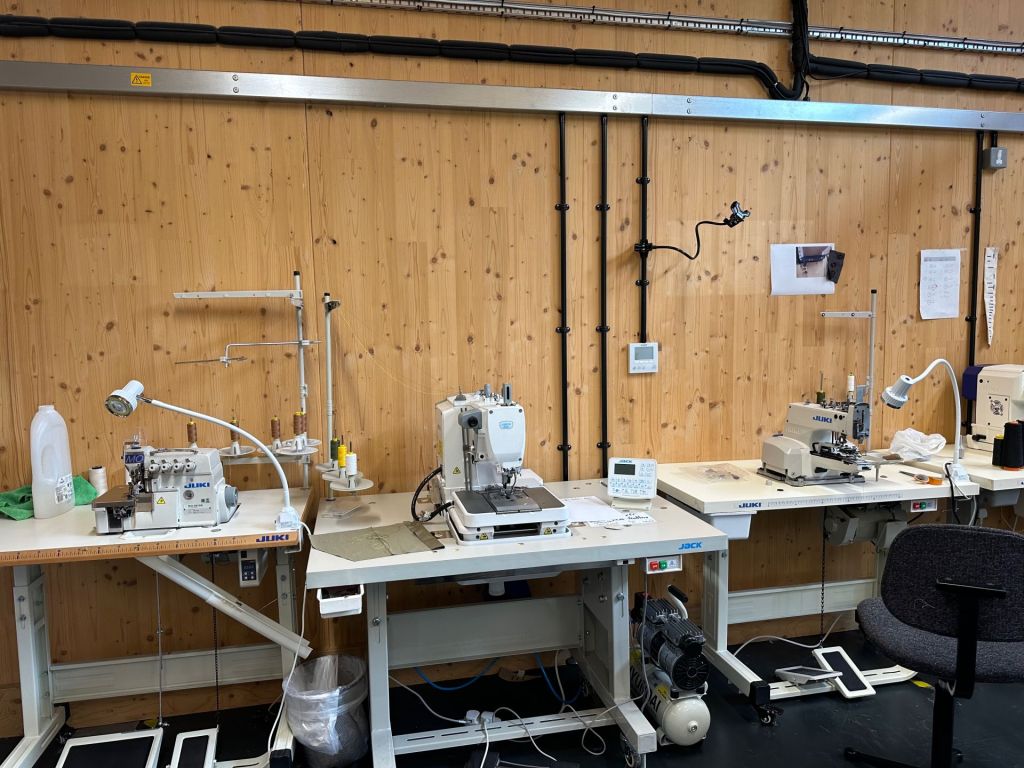
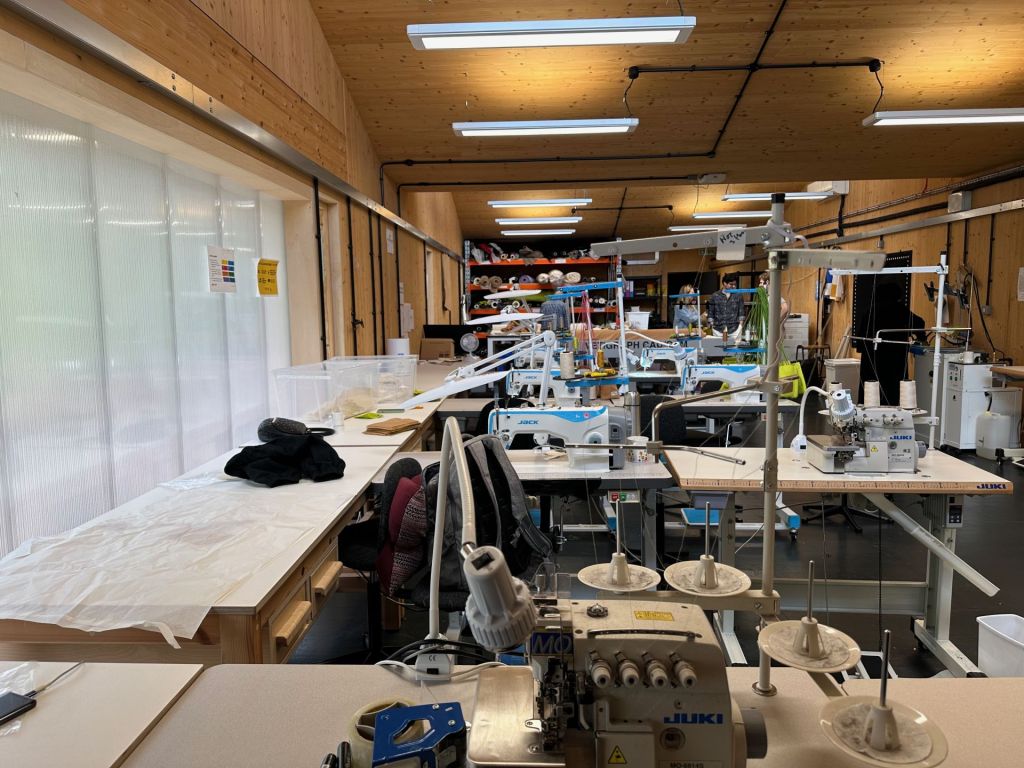
England has a rich and varied textile, fashion and garment-manufacturing history. However, local garment-manufacturing jobs disappeared when the garment-manufacturing industry went global, and with them, so did decades of working knowledge and expertise.
In Poplar Works, the community spirit is strong. The core partnership of Poplar HARCA, The Trampery, and the London College of Fashion (UAL) has produced a clear desire for the workshops and initiatives to help makers reach full potential.
In the main workshop, the London College of Fashion offers Fashion and Production courses for new designers and makers.
There is also a growing and diverse network with the Making for Change training program. Originally started in a women’s prison, the aim was to equip participants with usable skills and qualifications for garment construction.
Making for Change has grown, and Poplar Works offers courses, workshops and training programs for both beginners and the more experienced makers.
In Tower Hamlets, there is a large immigrant population — some from Turkey, Bangladesh and Pakistan, places with a thriving garment manufacturing industry. These groups of experienced sewers have garment fabrication knowledge but sometimes limited English. Workshops and training programs also help people in transitional stages to open new doors and pathways.
Our travels to New York left us with the feeling that workshops needed to be smaller — less than 1000 sq ft so rent could be affordable. But developers don’t usually build a 1000 sq ft unit. In Japan, we saw many do so much, even with a maker space 500 sq ft or significantly less in size.
The workshops and studios at Poplar Works aim to be an affordable maker space for those in the fashion and garment industry — an inclusive place of opportunity for start-ups and local entrepreneurs. The upper studios are 250 sq ft and the lower studios are 290 sq ft. However, in an increasingly expensive city, the most requested workshop size for a space to develop your skills and support your livelihood …. is 100 sq ft!
 live | make | transform