
hackney wick : part 1
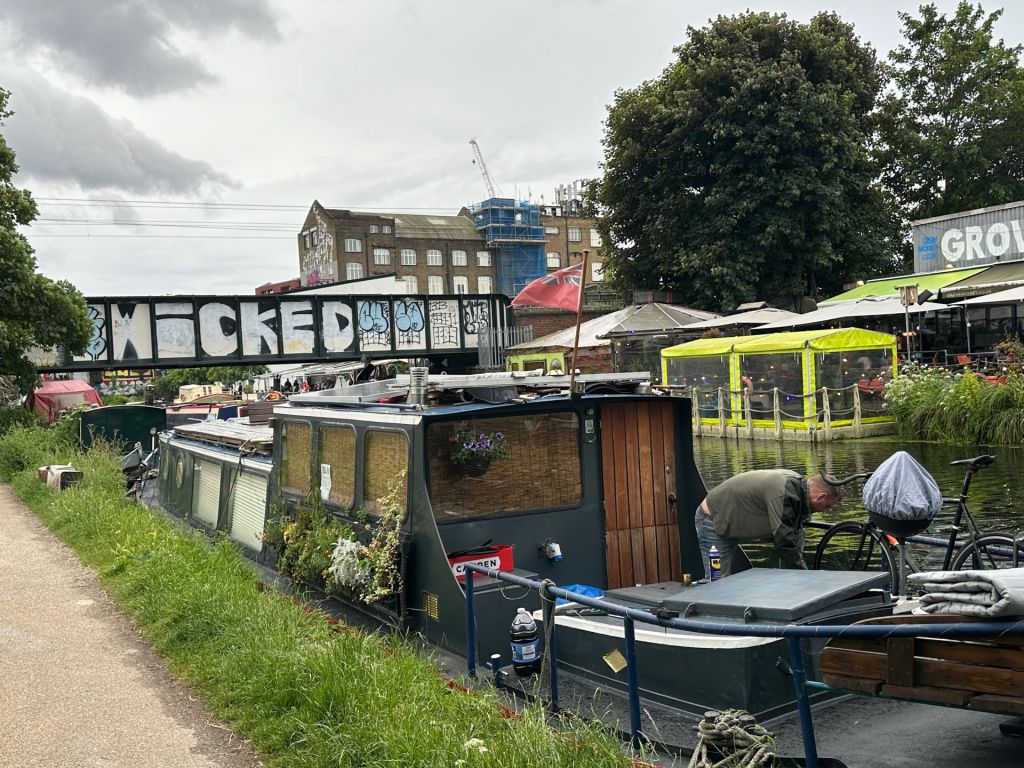

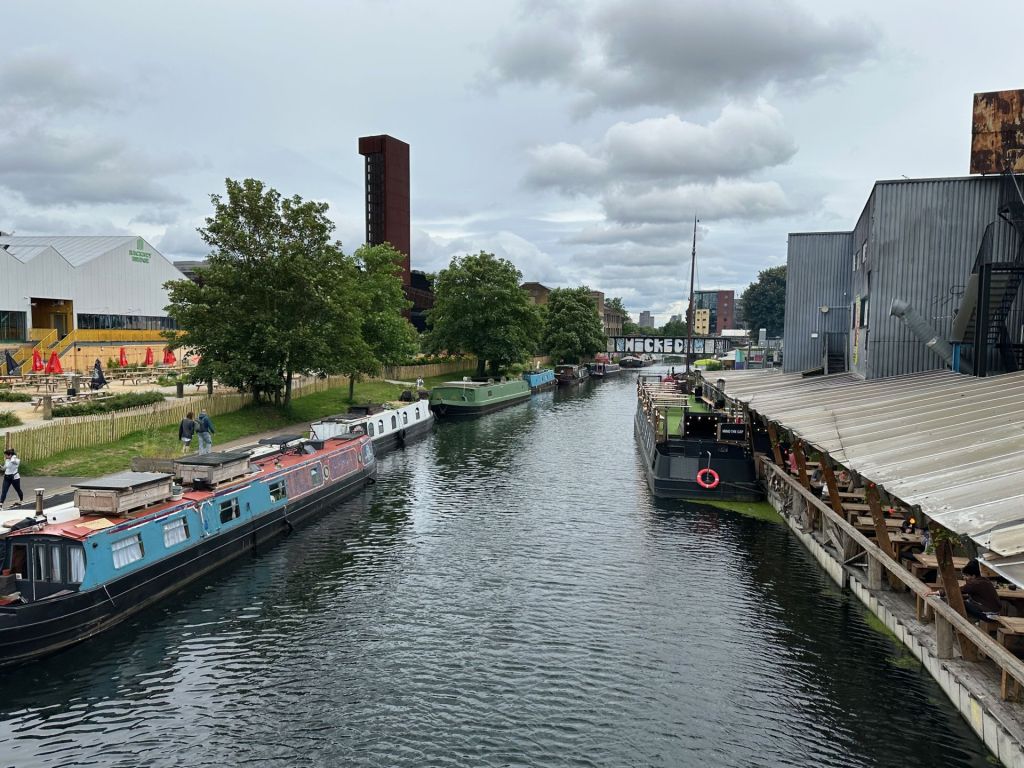
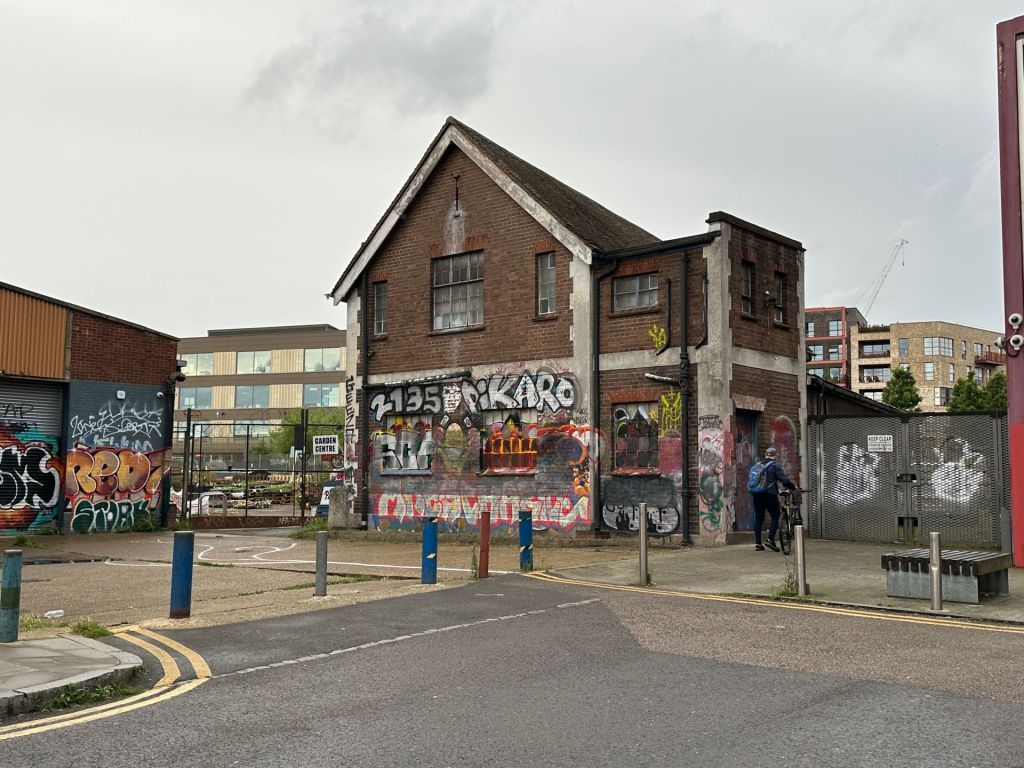
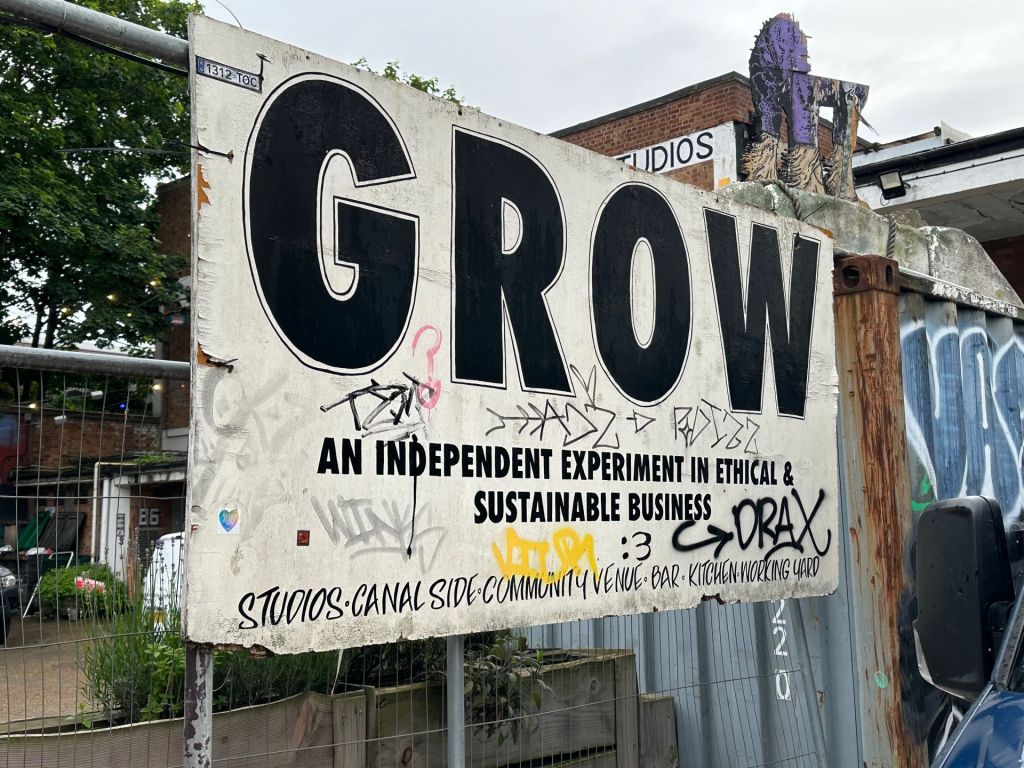

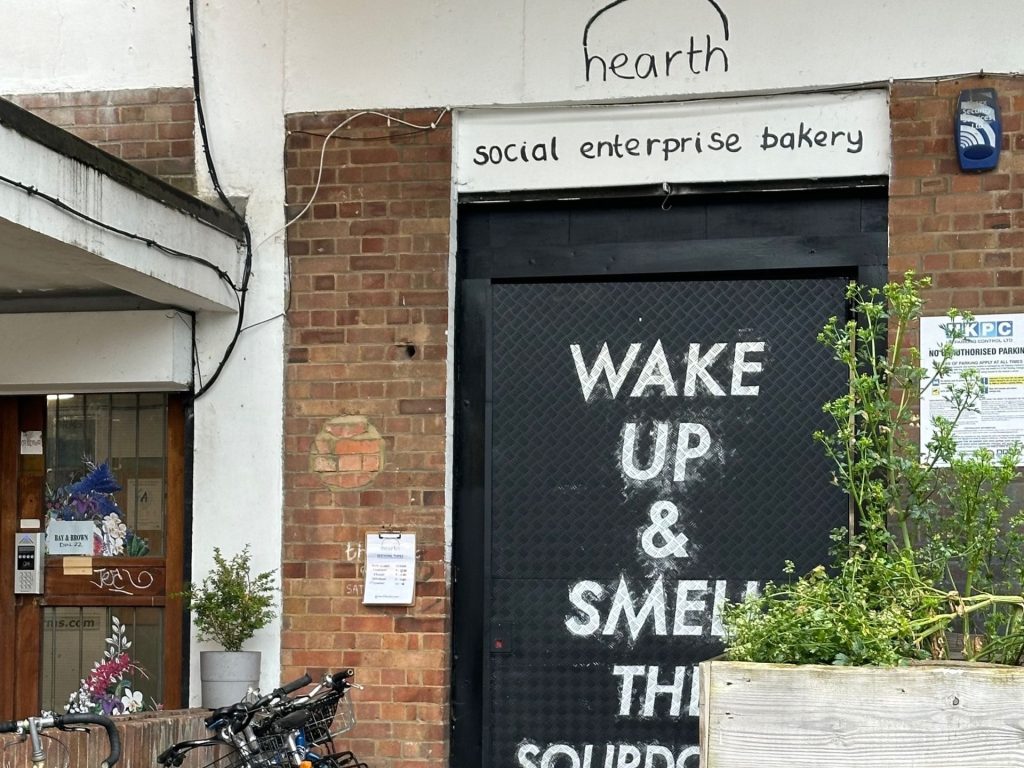

During the 19th and early 20th century, Hackney Wick was a bustling industrial town. It manufactured many diverse products, such as silk, confectionary sweets, paper, and dry cleaning products. When the industries declined, Hackney Wick was left with a toxic canal and many abandoned and decrepit factory buildings.
As happens in many places all over the world, artists, artisans, crafts people and small-scale manufacturers arrived. They took over these industrial spaces and made live/work and live/make units. You could find costume makers, motorcycle designers and fabricators, musicians, sculptors and woodworkers all living and working in the same building. Cheaper rent and the ability to have a workshop translated to an ability to pursue their passion and livelihood. Hackney Wick was legendary for its raw creative energy, sense of community and openness to experimentation.
In the planning for the London Olympics in 2012, Hackney Wick was one of the Greater East London areas identified as potentially benefitting from investment and infrastructure. Planning was developed in consultation with the Hackney Council to address future changes, and Hackney Wick received community and public development grants.
There was an overall aim for improvement and opportunities for an underserved neighbourhood. But, there were also very real concerns that the new developments might price the local residents out of the market.
hackney wick : part 2
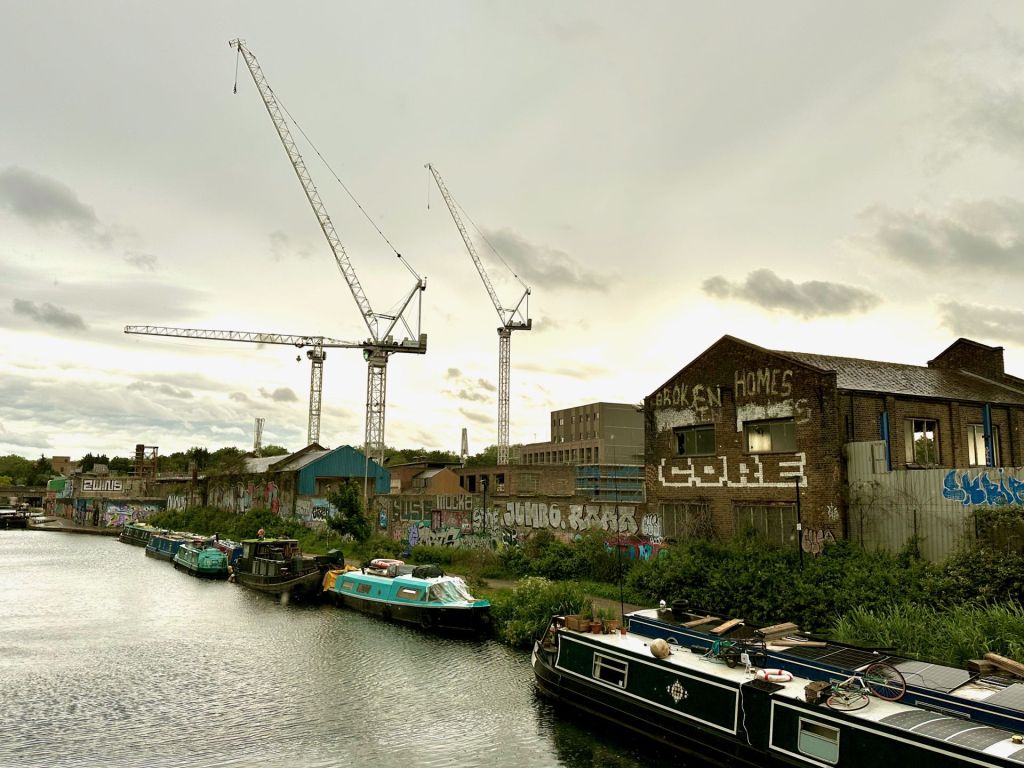
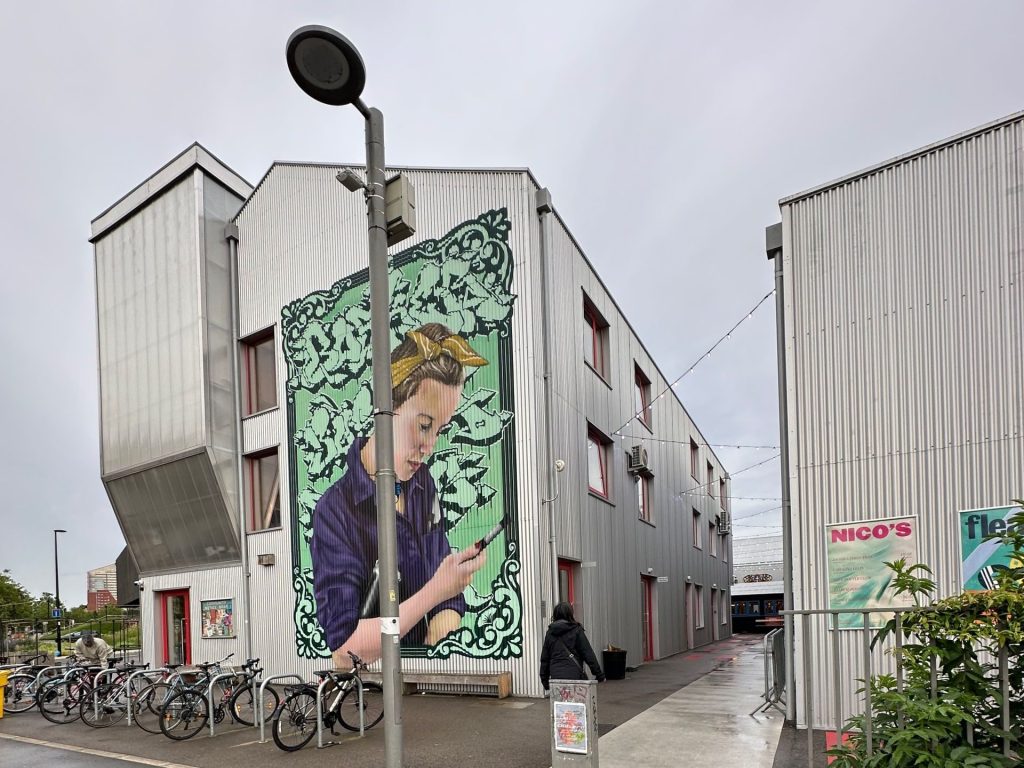
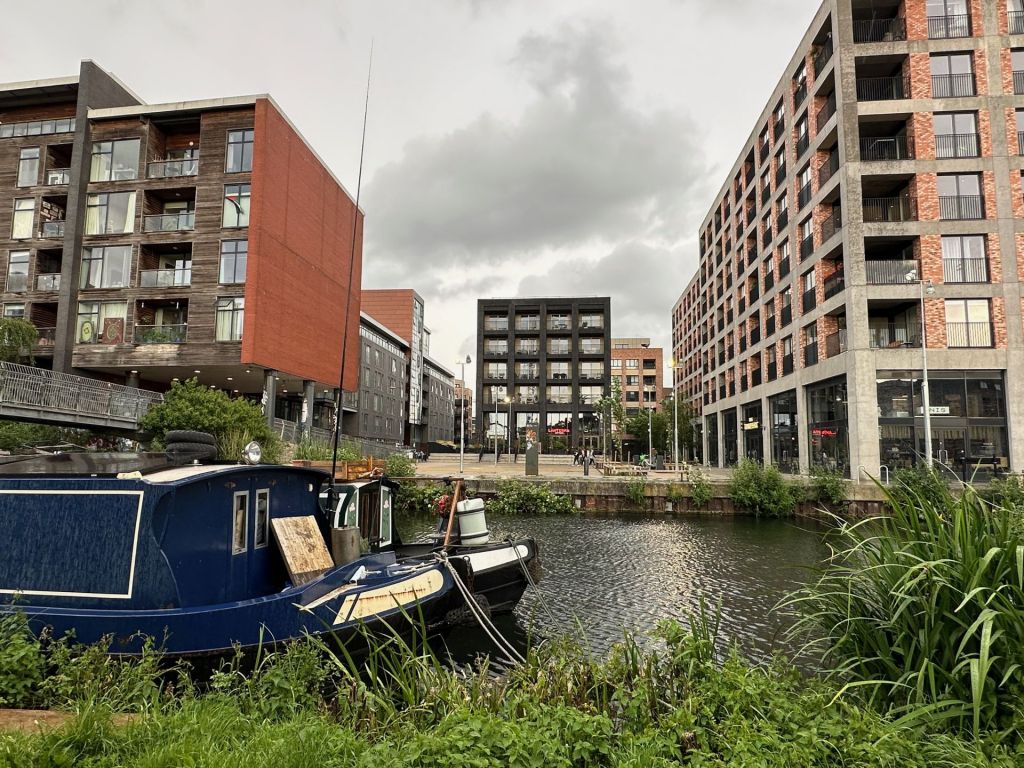
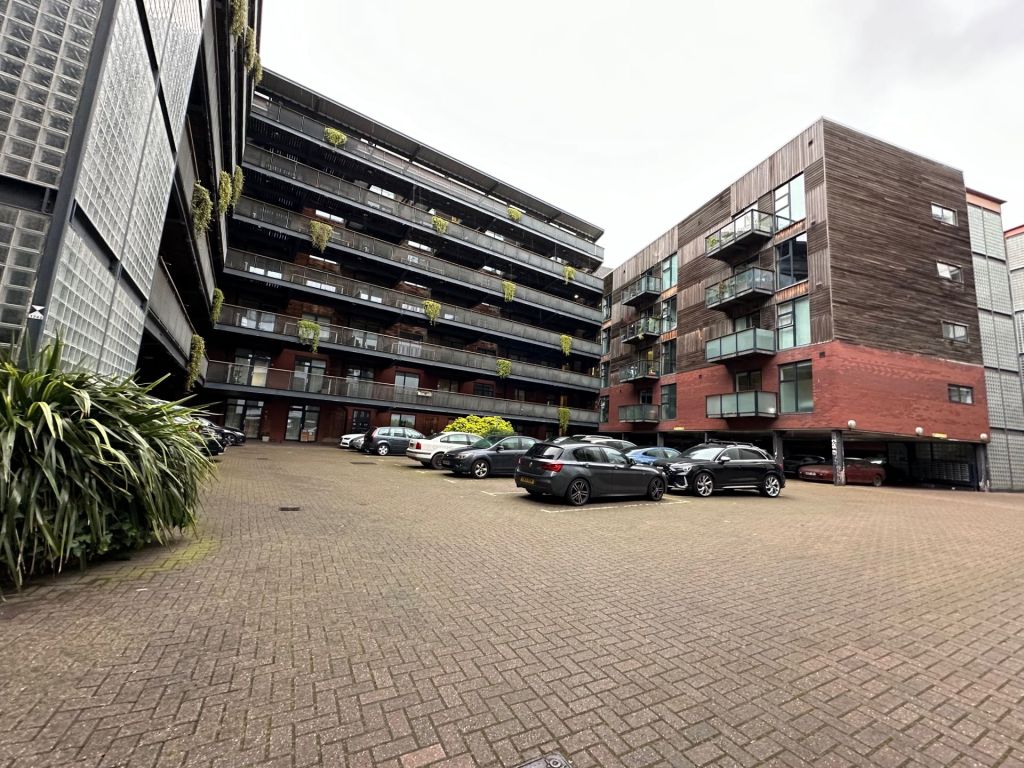
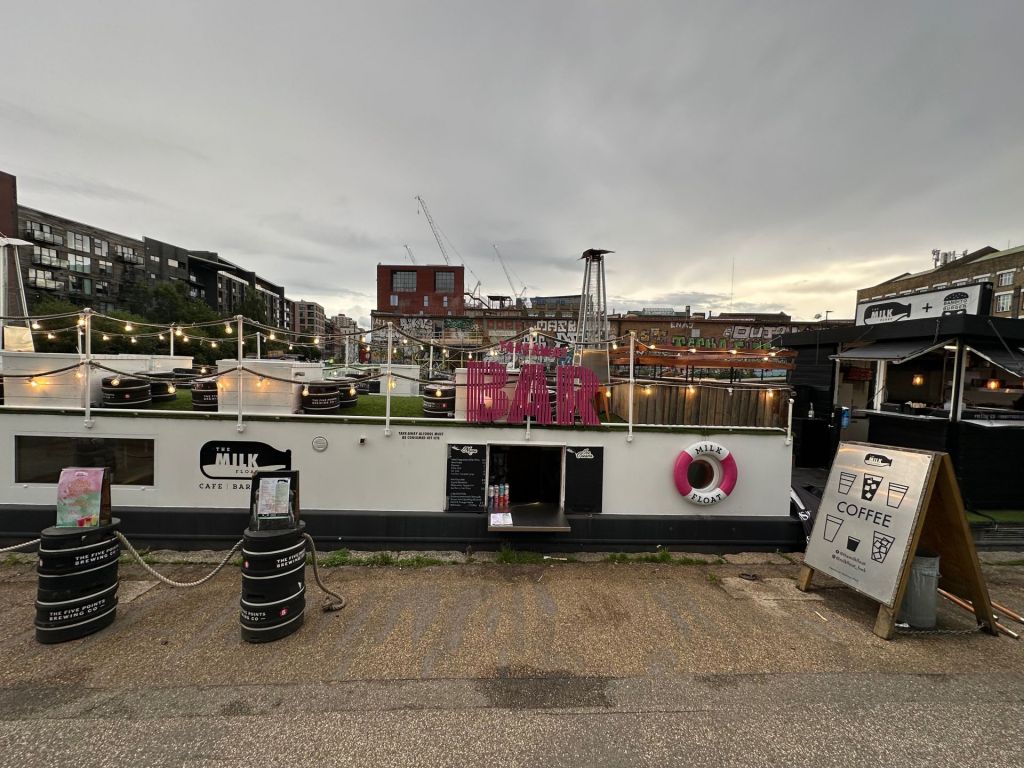
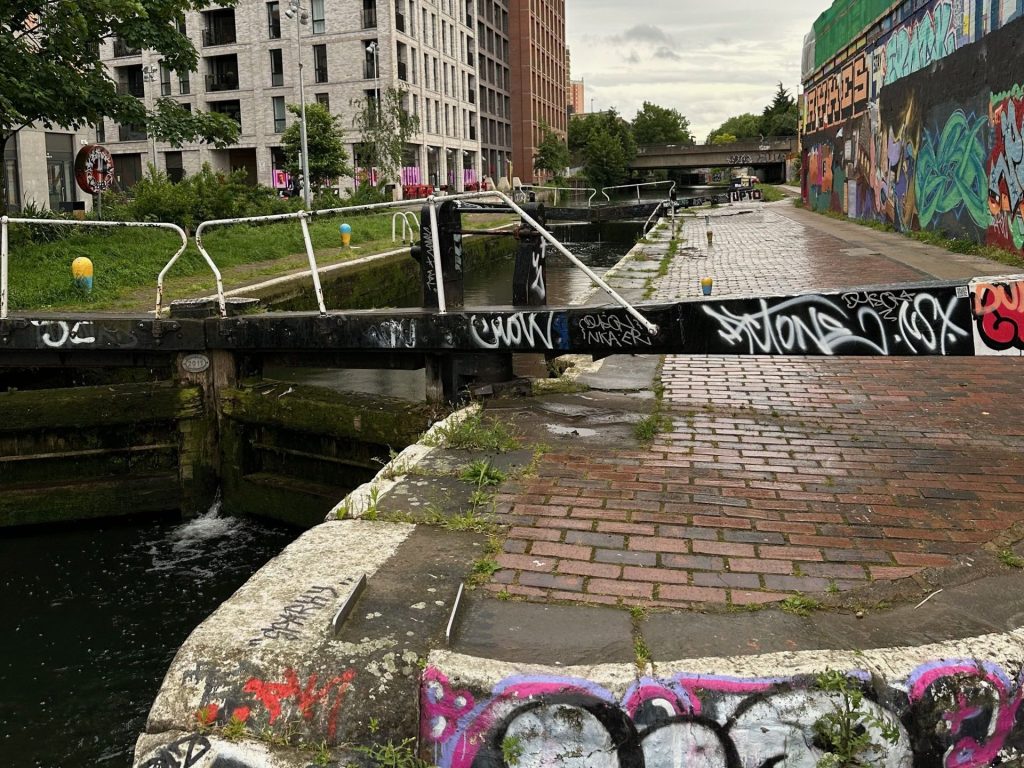
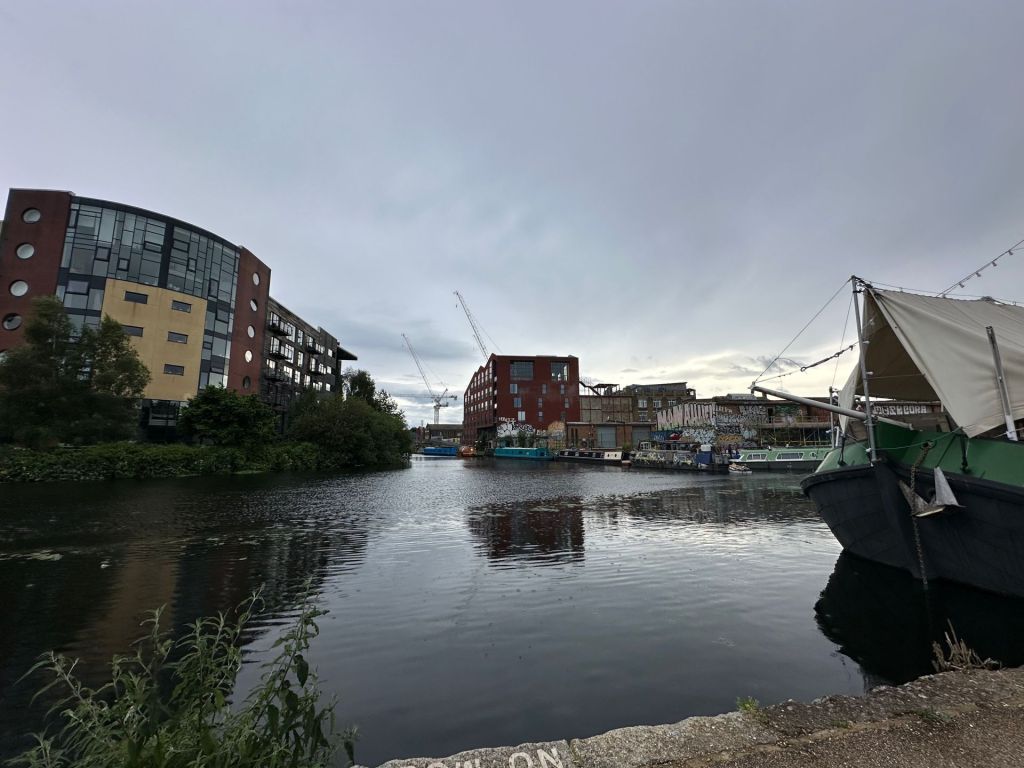

Some time has passed since the London Olympics of 2012, and we wanted to visit Hackney Wick to see the urban renewal changes in part of Europe’s largest regeneration project.
There is a duality present between the gritty post-industrial Hackney Wick and the bright and shiny new vision.
At the initial planning stage, there was a concerted effort to change the area’s industrial perception. Large swaths of warehouses and industrial lands have been demolished, and the offices and higher-end residential have moved in. The houseboats along the canal are now joined by a large number of bars, restaurants and event spaces.
The new buildings and public spaces are well-designed and work well on many levels. The factory town, with a lower residential density and outdated worker housing, has been transformed. There are major institutions, new housing complexes, pedestrian bridges and cycling pathways along the canal.
However, there remained intention to preserve some existing manufacturing spaces and ambitions for new, small-scale workshops.
Present-day Hackney Wick is not made up of new insertions into the existing urban fabric. The storied industrial past is lacking, especially in Fish Island which is now a totally residential enclave. The layered history and character of Hackney Wick is quickly being erased.
What made Hackney Wick unique, individual, organic and raw… is missing. The artists, craftspeople and small-scale manufacturers cannot afford to live or work in these new and renovated buildings, and the majority have moved on.
Hackney Wick is a case study in gentrification. Grassroots organizations are wary of big promises, cognizant of the lessons of Hackney Wick — the abrupt shift in neighbourhood character, the lack of inclusiveness and affordability. There is recognition that when large and far-reaching decisions are being made, existing residents need to band together and form partnerships. It is only by unifying that they can speak with a stronger voice and get a seat at the table.
 live | make | transform