
blackhorse lane : part 1


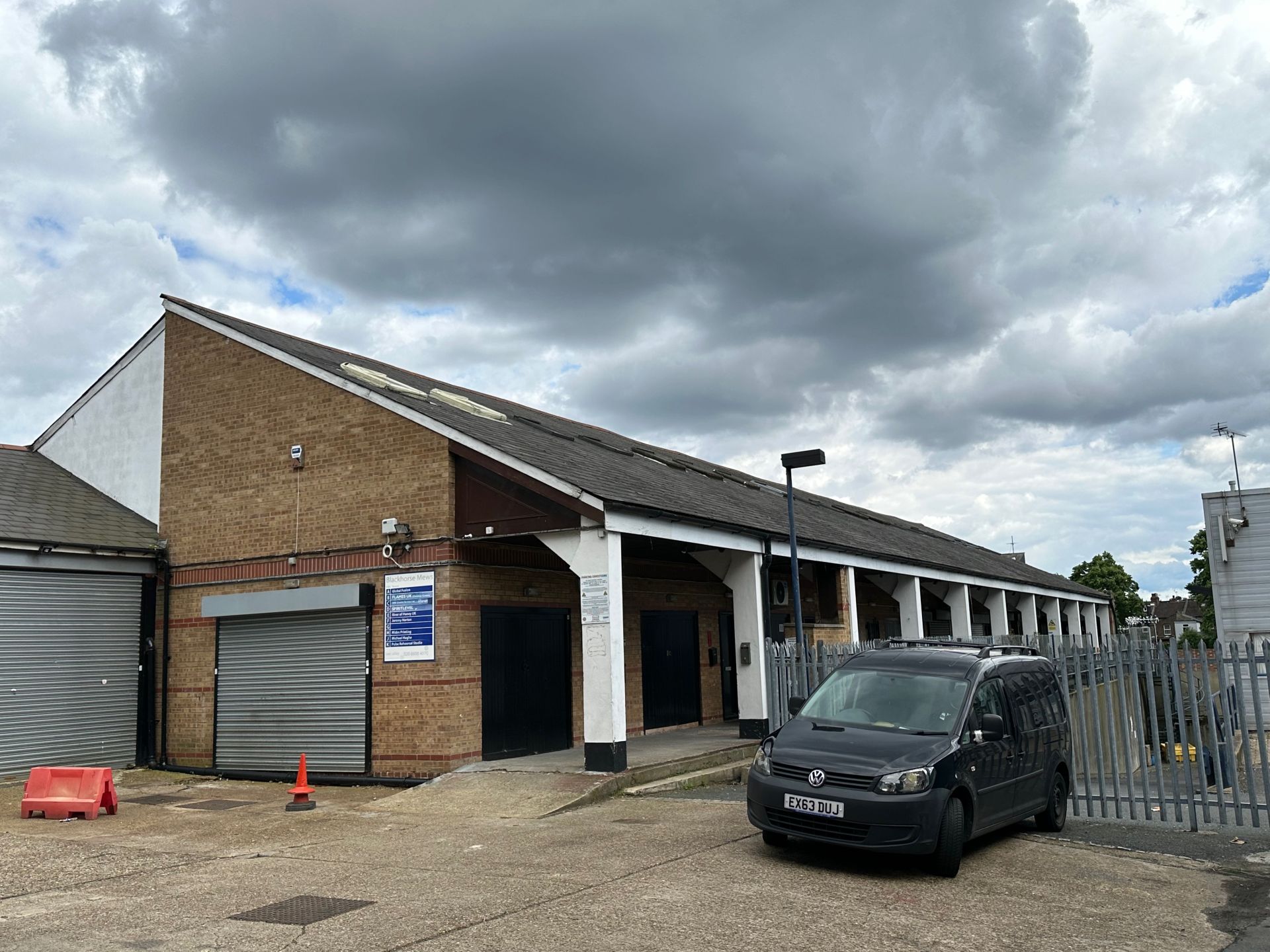
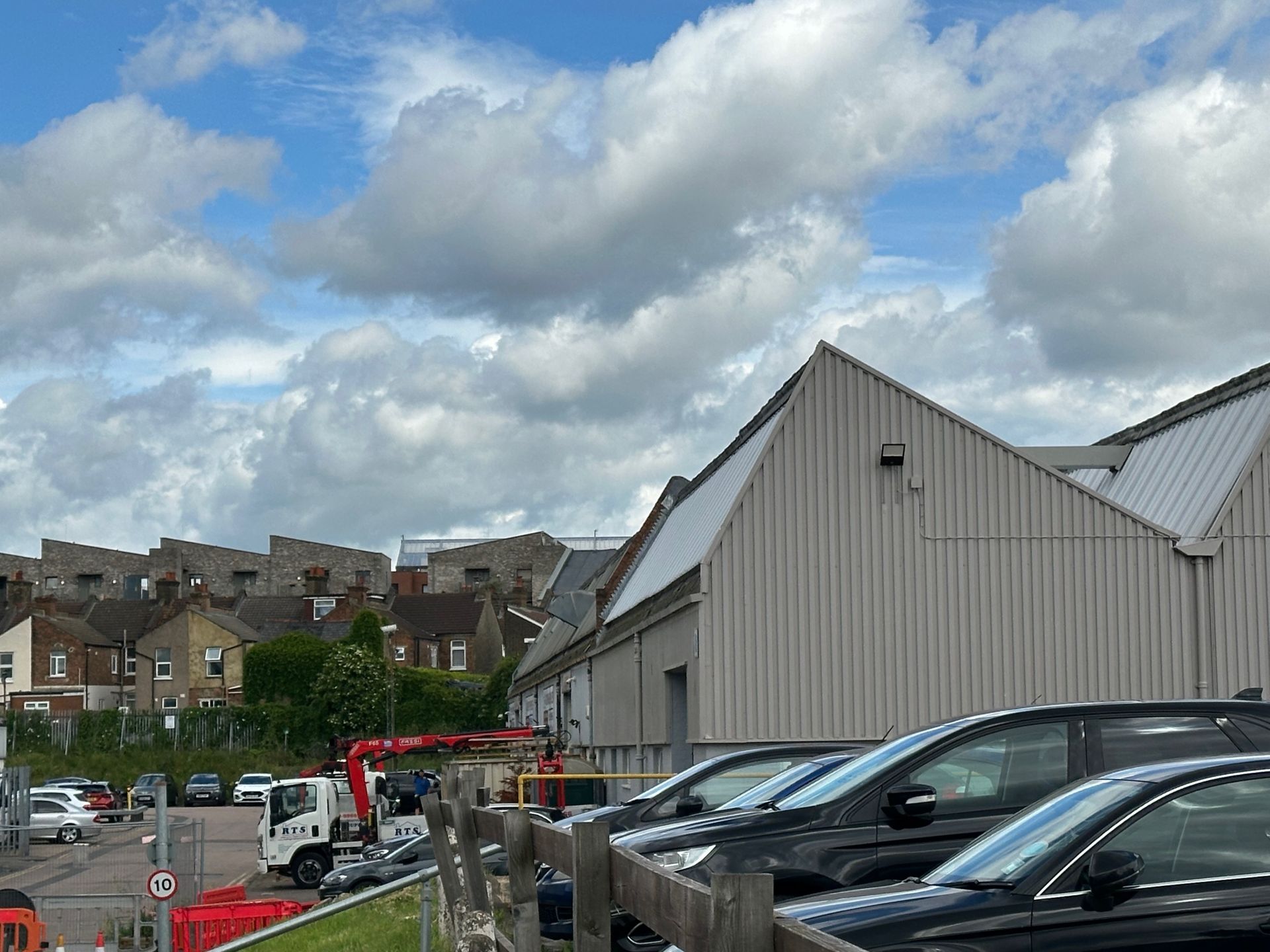

Blackhorse Lane (BL) was not on our radar during preliminary research, but it was mentioned by other makers during our site visits.
Located in Waltham Forest in North East London, Blackhorse Lane was identified as an underserved area in need of infrastructure and improvement. Recognized for its industrial heritage and craft, BL was designated as one of London’s nine Creative Enterprise Zones and noted as a Housing Zone by the Greater London Authority. These two designations are critical — this means that Blackhorse Lane is seen as a major growth site in Greater London for both housing and jobs.
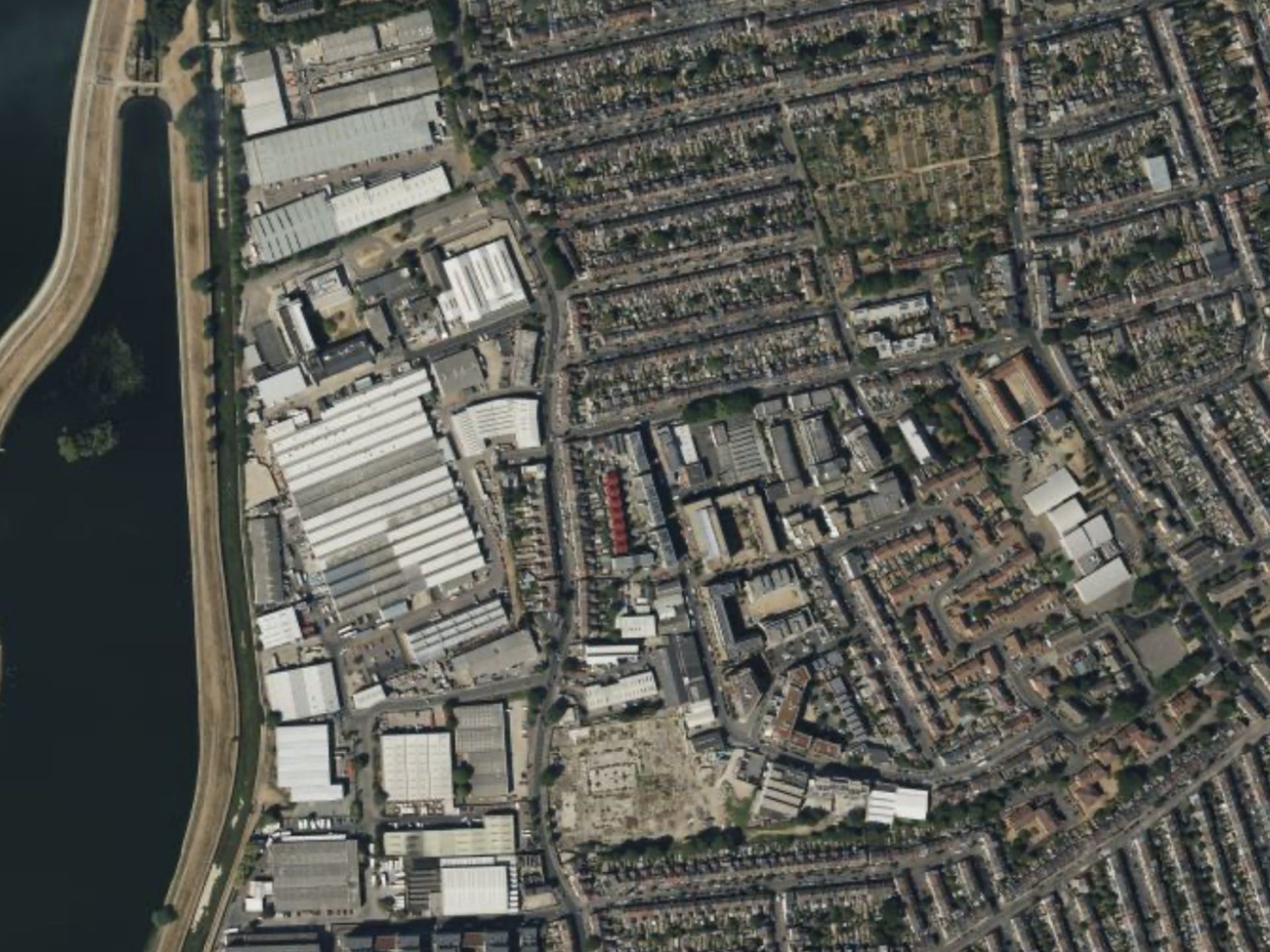
Blackhorse Lane consists of several large industrial parks bounded by residential areas, high streets, railway tracks, and urban wetlands. Here, industrial and residential have co-existed side by side for many years.
Within Blackhorse Lane there are many different types and scales of industrial buildings and facilities. There are large lots for breweries, food production and lumber yards. There are also smaller to mid-sized properties for machine workshops, woodworkers and bakeries.
Blackhorse Lane is seeing experiments in mixed-use regeneration. The new residential developments include residential complexes that offer shared ownership, upcoming apartment blocks that are 100% affordable housing, and aims for new creative workspaces.
Blackhorse Lane aims to set policies and initiatives which might break the cycle of gentrification : wherein artists, makers and creative small businesses help make a struggling area attractive for newcomers, but later risk being priced out of an area they helped create.
The hope is to keep work spaces affordable for the artisans and small-scale manufacturers, give business support to the startups, and connect makers with each other and the local community through programs, events, apprenticeships, training and other pathways to work.
blackhorse lane industrial park : part 2
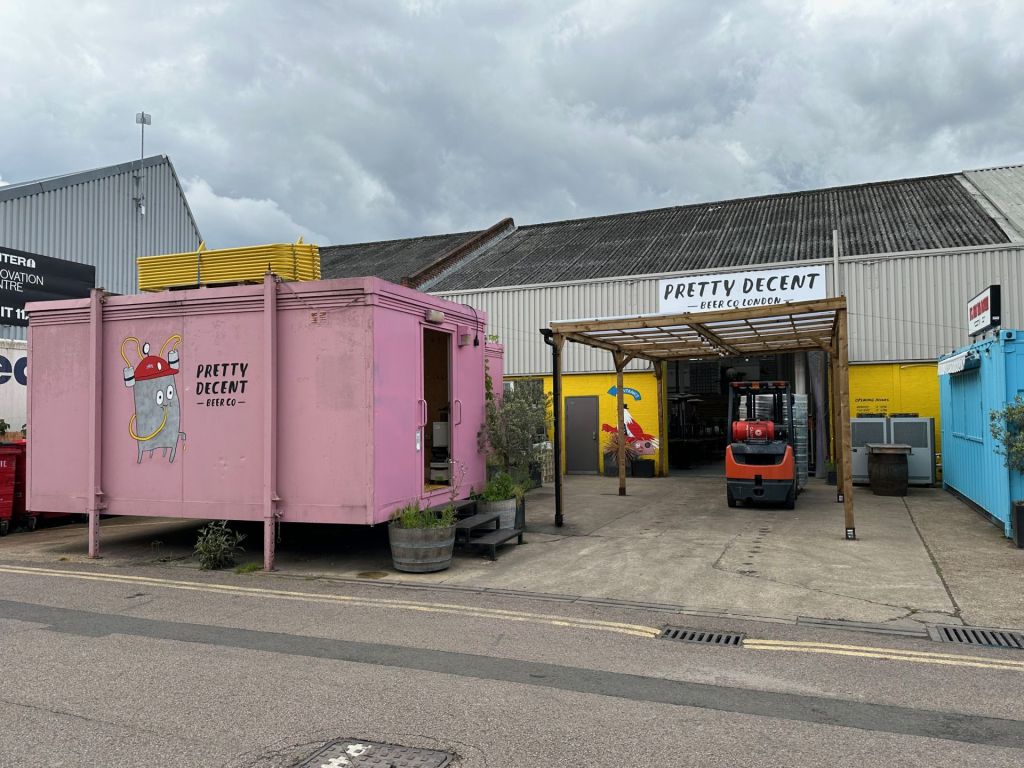


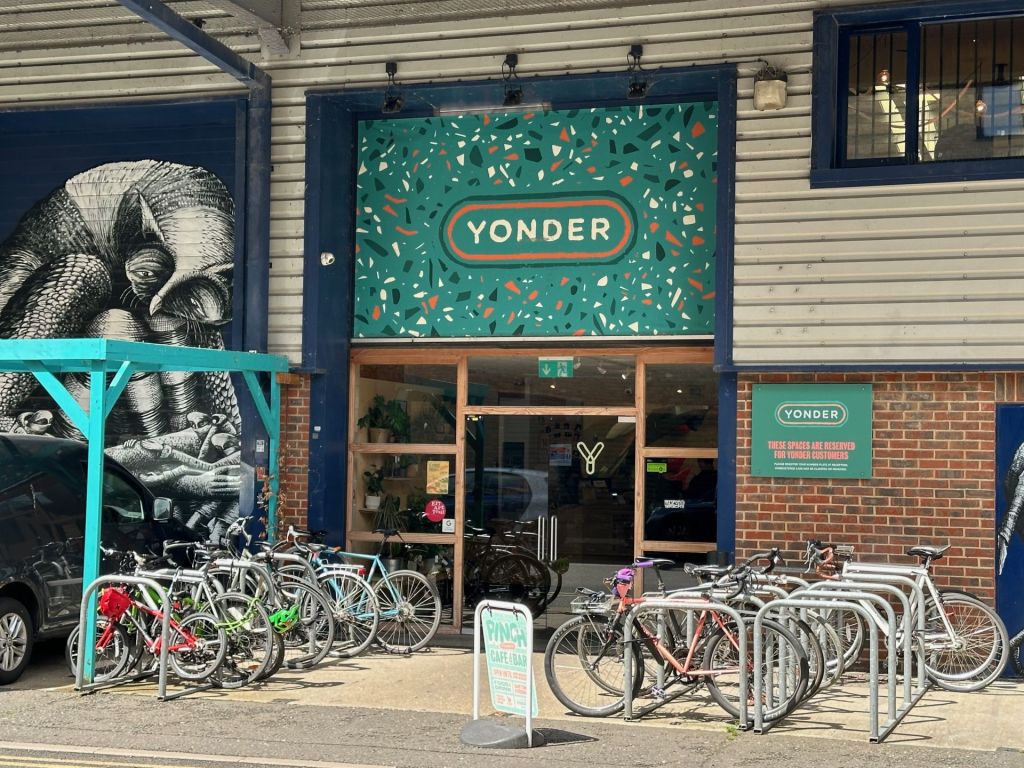
We recognize that most people do not want their residential neighborhoods to change zoning or allow small-scale manufacturing. However, there are pockets like Blackhorse Lane where industry and residential areas are already co-existent. Artists, craftspeople and small-scale manufacturers gravitate here due to affordable workspaces. It is in these maker neighbourhoods where zoning adjustments to legalize live and make should be most discussed.
The days of single-use zoning are waning. Many places in many different countries are experimenting with mixed-use developments. The new version of an industrial park now includes residential, commercial and non-industrial activities. Blackhorse Lane is an area which exemplifies this co-existence, containing many examples of non-industrial uses in zones which, previously, were exclusively industrial.
The majority of manufacturing buildings in the Blackhorse Creative Enterprise Zone are not 19th-century brick warehouses — buildings which have been ripe for conversion to offices and higher-end residential — but were constructed post-WWII. The industrial buildings and workshops in Blackhorse Lane thus have a more basic, functional, and utilitarian aesthetic.
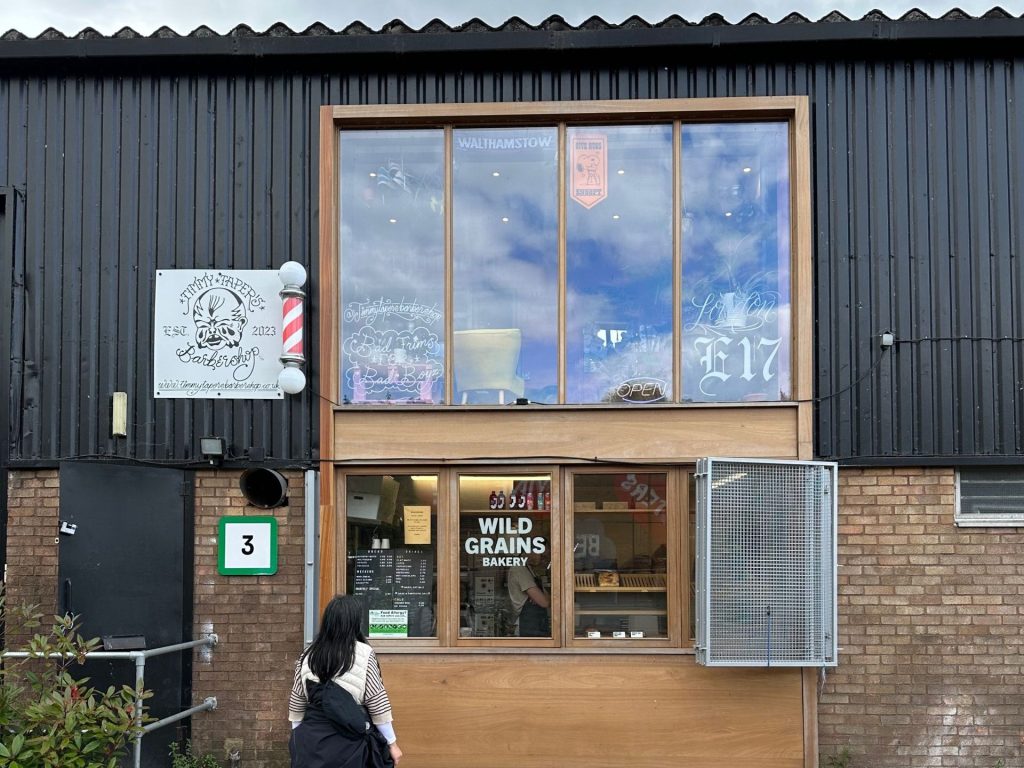
Strolling through several industrial complexes, we start to see residential, commercial and non-industrial activities in what was once 100% industrial parkland. The many breweries in Blackhorse Lane are adding tap rooms and patios. Bakeries and coffee shops are operating in unexpected places with take-out windows, and barbershops and climbing gyms are open in warehouses that still contain fabrication trades, materials, and equipment.
For the makers whose livelihood requires a workshop or workspace, adjusting the planning policies in specific neighborhoods allows for a maker zoning. This maker zoning supports affordable housing and affordable work space, ensuring that creative communities can grow and thrive.
blackhorse workshop : part 3

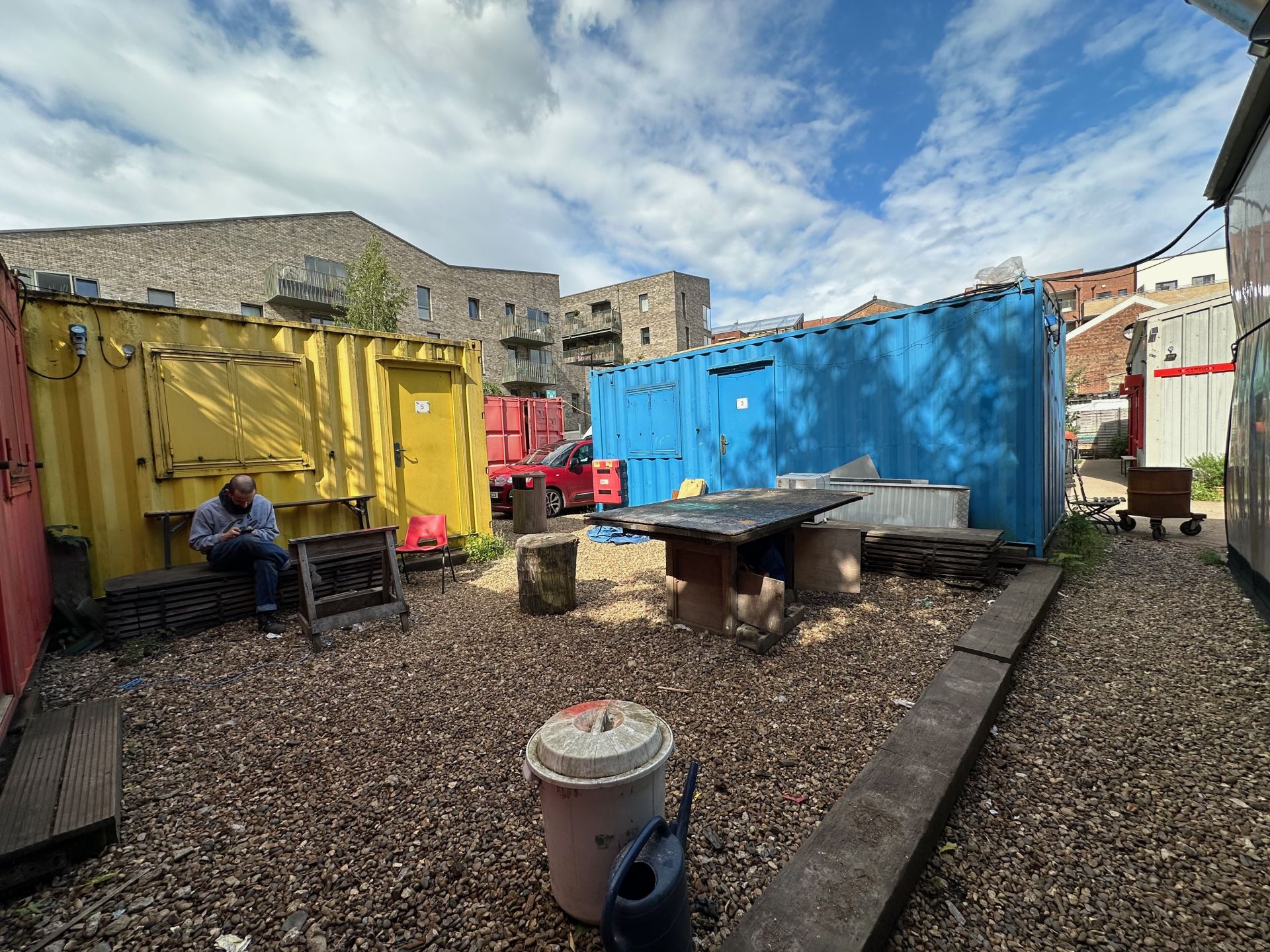
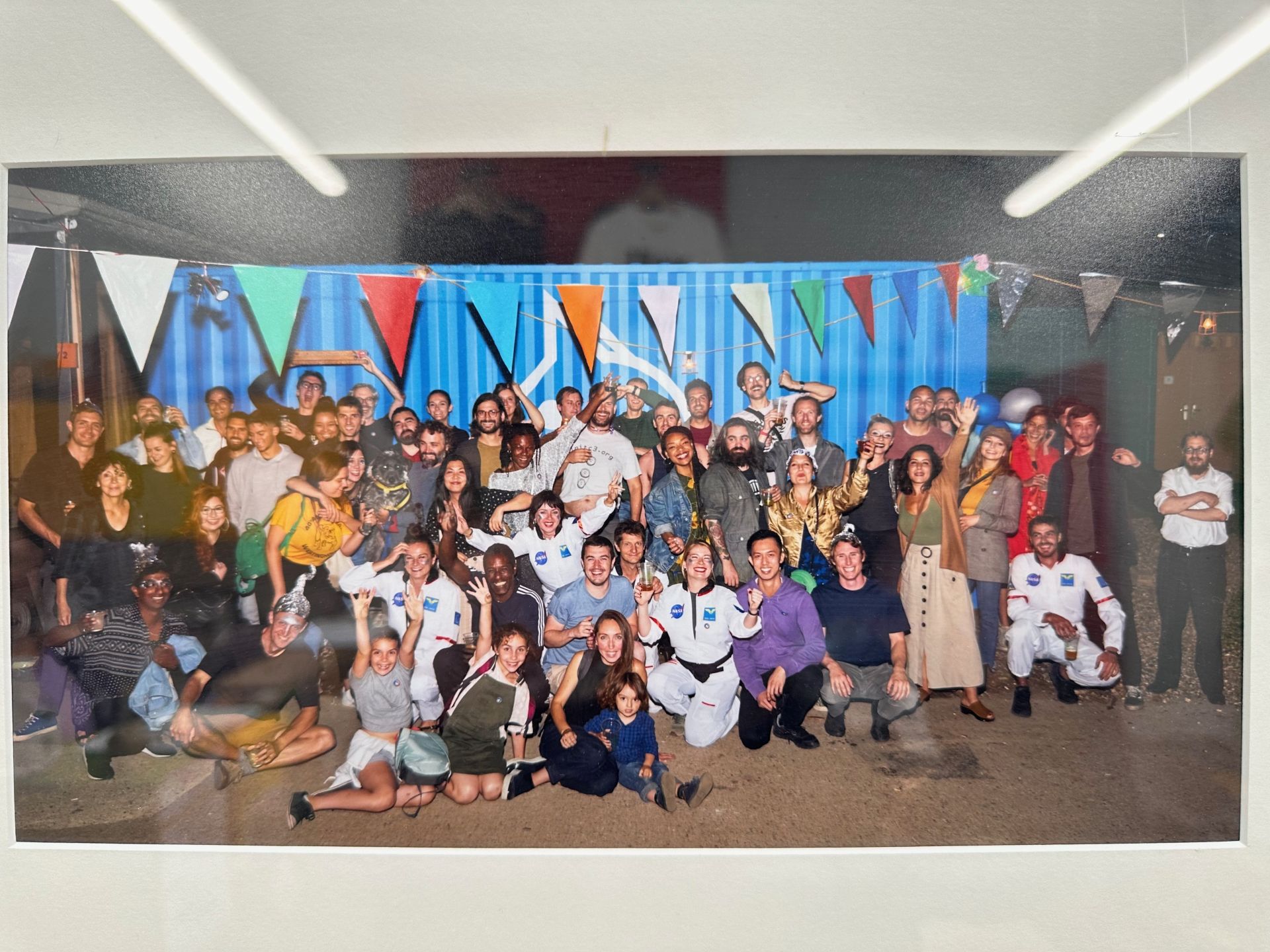

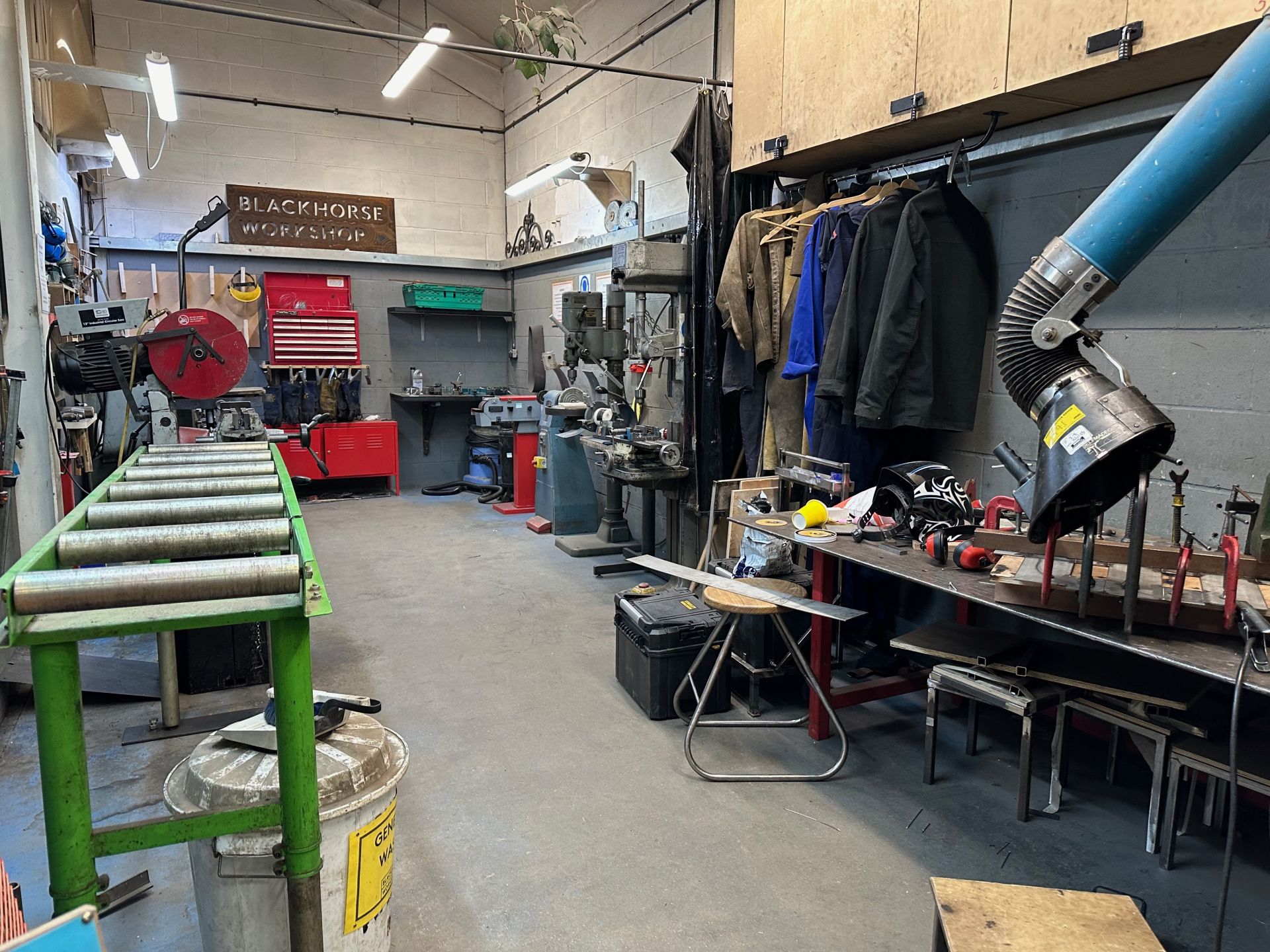
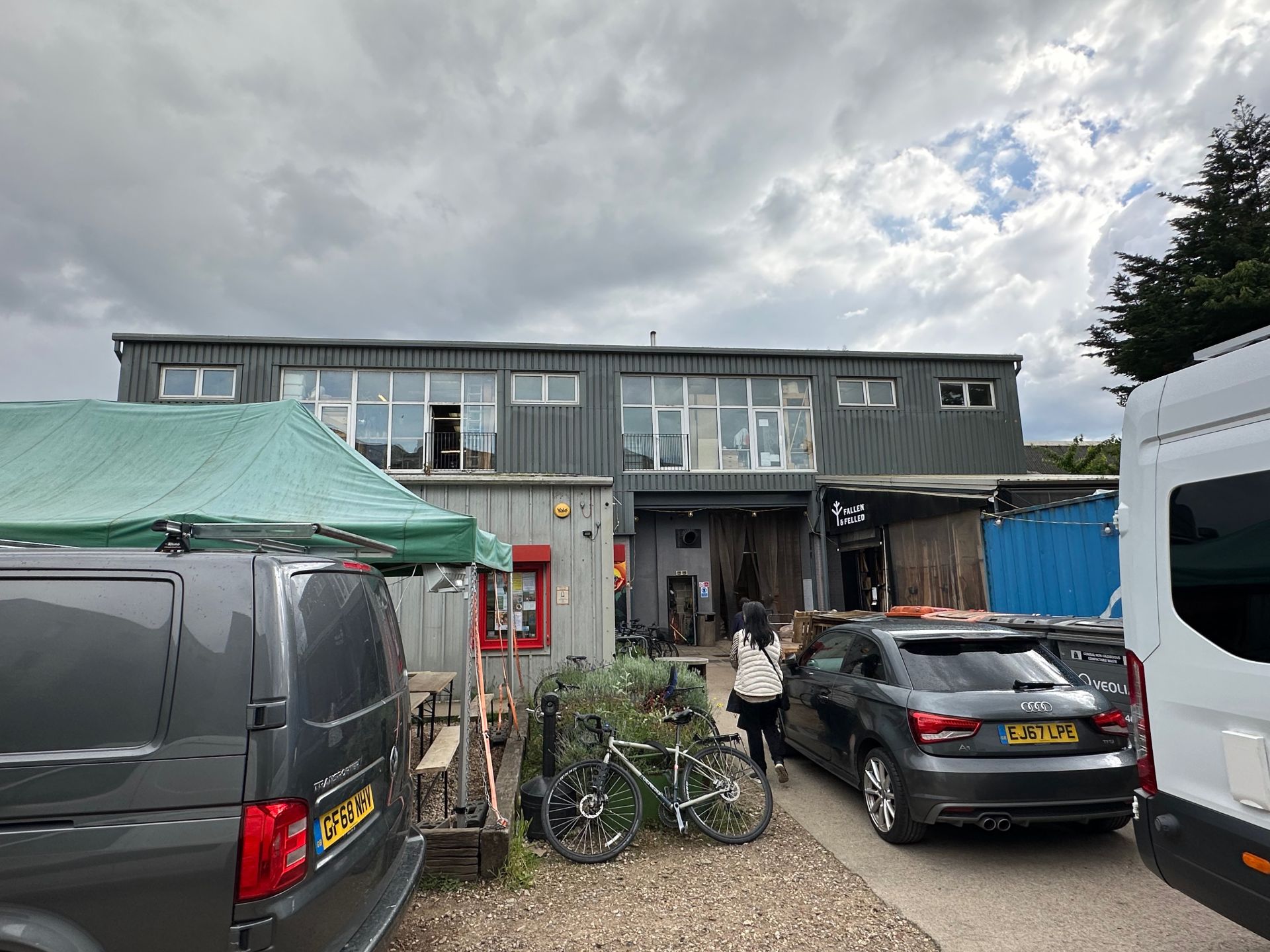

Of the many maker spaces we’ve visited during our Canada Council research project, Blackhorse Workshop can be described as one of the most “bustling.”
Blackhorse Lane has many creative people and creative industries, but has struggled with providing job opportunities and pathways for development. In this neighbourhood with a history of craft, Blackhorse Workshop was envisioned as a community hub based on the act of making. Part of a larger regeneration project for Waltham Forest, Blackhorse Workshop was originally supported by many partners, including the London Borough of Waltham Forest, Create London, Arts Council England and the London Legacy Corporation.
Blackhorse Workshop focuses on wood and metalwork. It offers well-equipped workshops with machines, power and hand tools, and technical support. There are after-school programs and parent and child events, as well as wood and metalwork courses catering to beginners and the more experienced. For those in varying stages of their careers, the Workshop offers affordable workspaces : pay-as-you-go benches, studio desks, and individual studios in containers in the front yard.
They make efforts to be sustainable and welcoming. On the grounds of this busy workshop, you can find a cafe, outdoor patio, and community kitchen. There is also a satellite outpost of Fallen and Felled, which offers large slabs of kiln-dried trees felled around London — trees which previously would have been burned or tossed are given a second chance at a new life.
Blackhorse Workshop aims to be open and accessible to everyone. Close to transit, off a Main Street, down a lane and surrounded by rowhouses and mid-rise apartments, the Workshop recognizes it is in close proximity to residential areas.
Blackhorse Workshop often hosts celebratory events, including artistic and cultural collaborations where they open up their space to the wider community, beyond the members of the workshop. There is a definite aim to build relationships with local neighbourhood residents and small businesses.
blackhorse lane ateliers : part 4

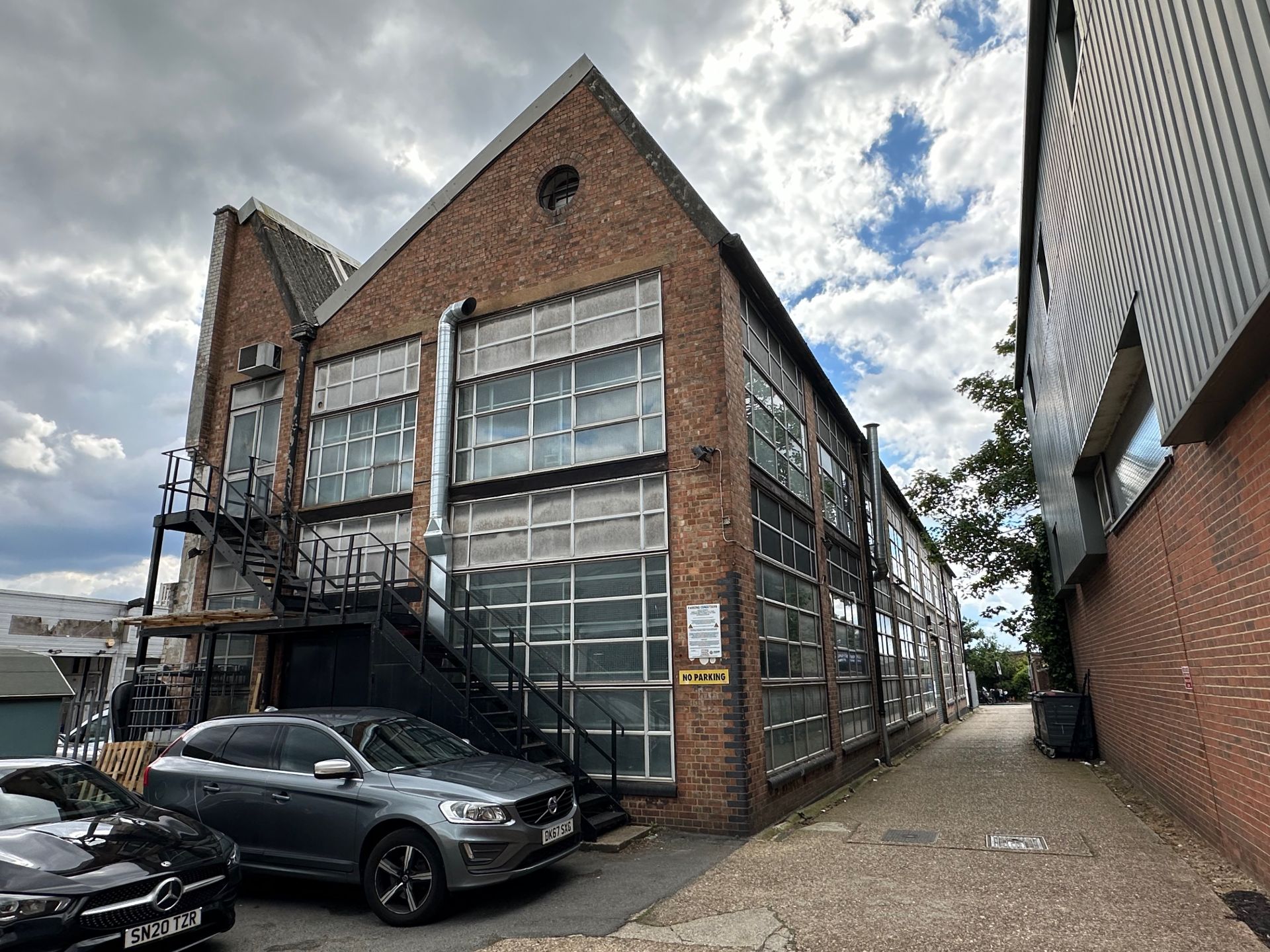
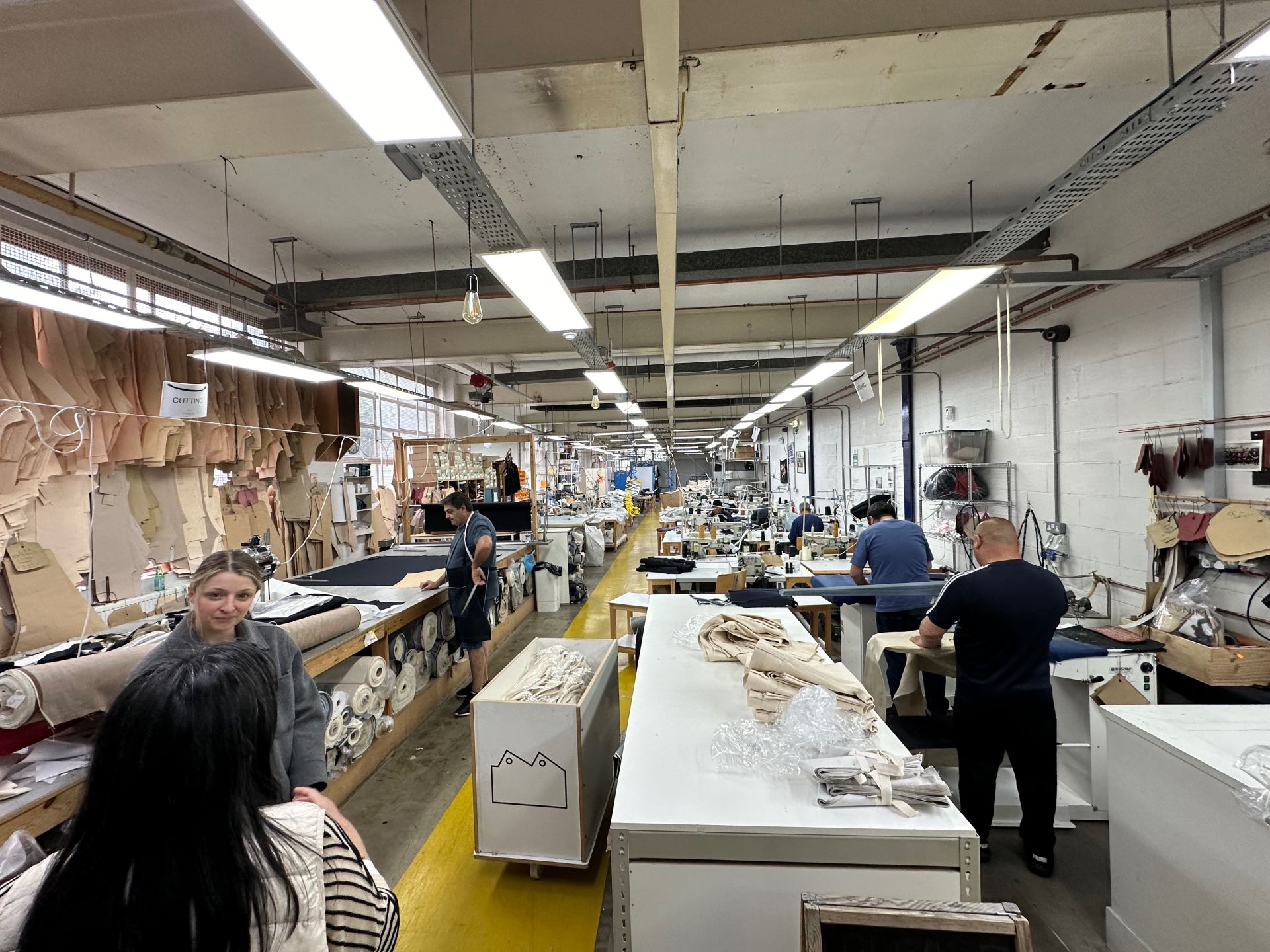
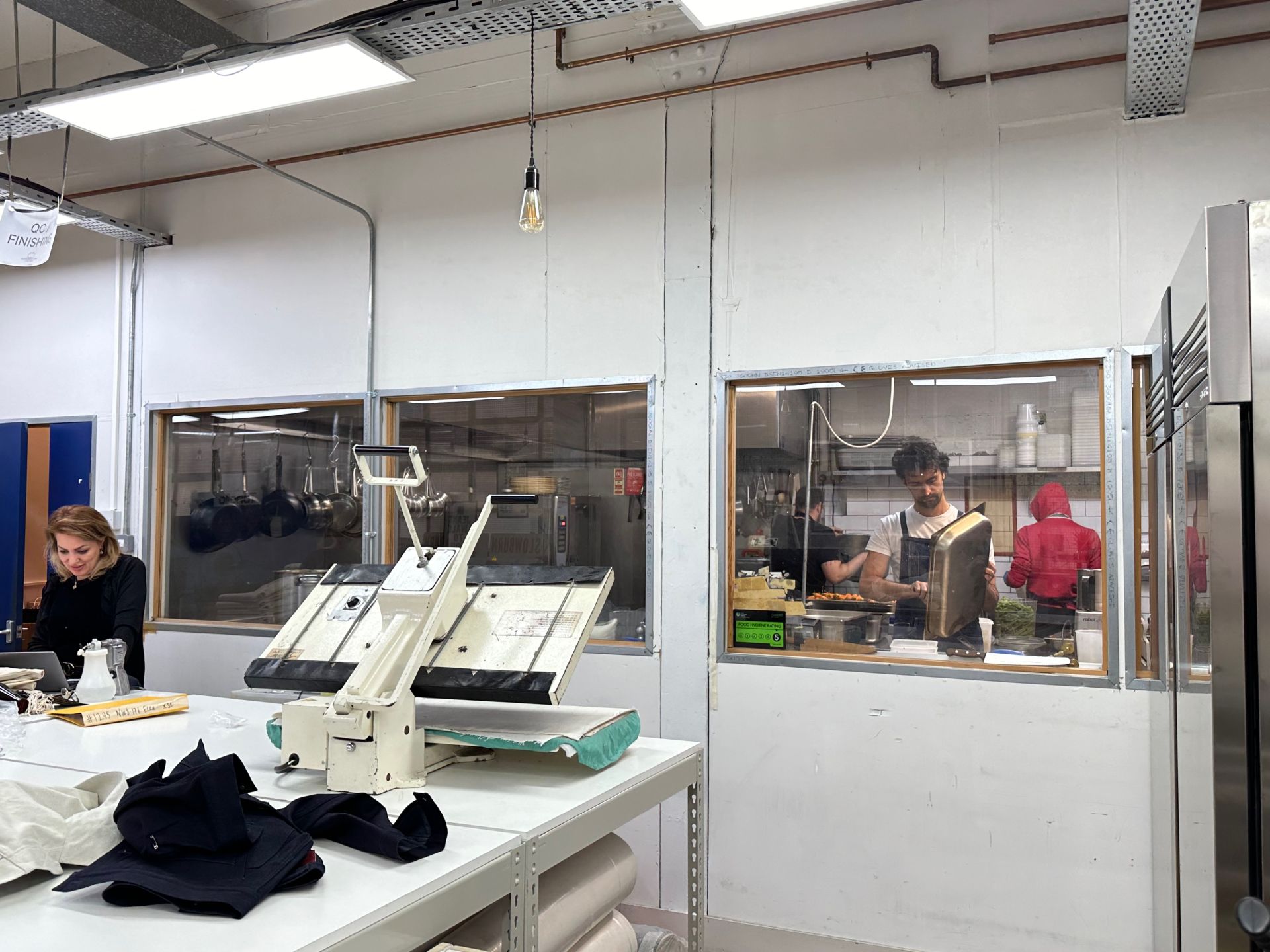

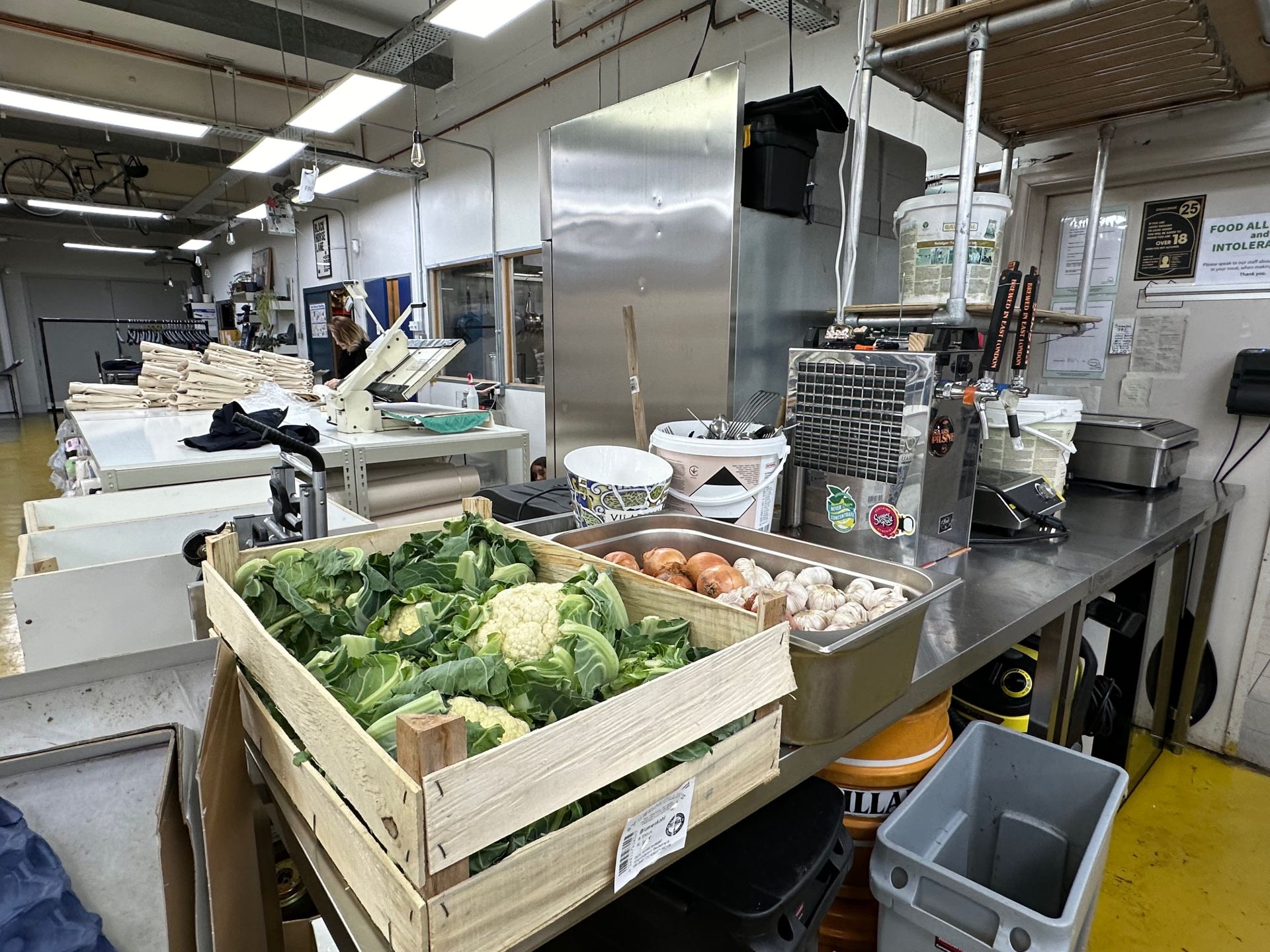
Located on a Main Street in the midst of rowhouses is a small industrial building with a variety of uses. This is home to Blackhorse Lane Ateliers (a craft jeans maker), Slowburn (a restaurant) and Blackhorse Studios (a workspace for artists and makers).
Blackhorse Lane Ateliers was envisioned, founded, and driven by Han Ates. Having left Istanbul at age 19, Ates came to London to work in his uncle’s textile factory and has been employed in many areas of the garment industry. Ates started his own tailoring company and, in the early 2000s, was part of a generation of London’s small garment manufacturers who had to take production offshore, moving to Turkey and eventually China. Burnt-out and feeling disconnected from family and neighbours, Ates opened a local restaurant. It was successful but, missing a particular form of making, Han Ates returned to his textile roots and opened Blackhorse Lane Ateliers.
Historically, textile factories did not have a good reputation, facing noted issues of labour abuse, environmental pollution and waste. However, the new breed of garment factory — especially those in close proximity to residential areas — operates differently.
Blackhorse Lane Ateliers is a mixture of experience and experimentation. Expert sewists and skilled tailors, originally from countries with active garment industries such as Bulgaria and Turkey, work beside colleagues trained in London. There are partnerships with London fashion institutes — designers and students are welcome to visit and view fabrication processes in the manufacturing phases. There are also R&D initiatives in sustainable washing and collaborations with other designers and makers.
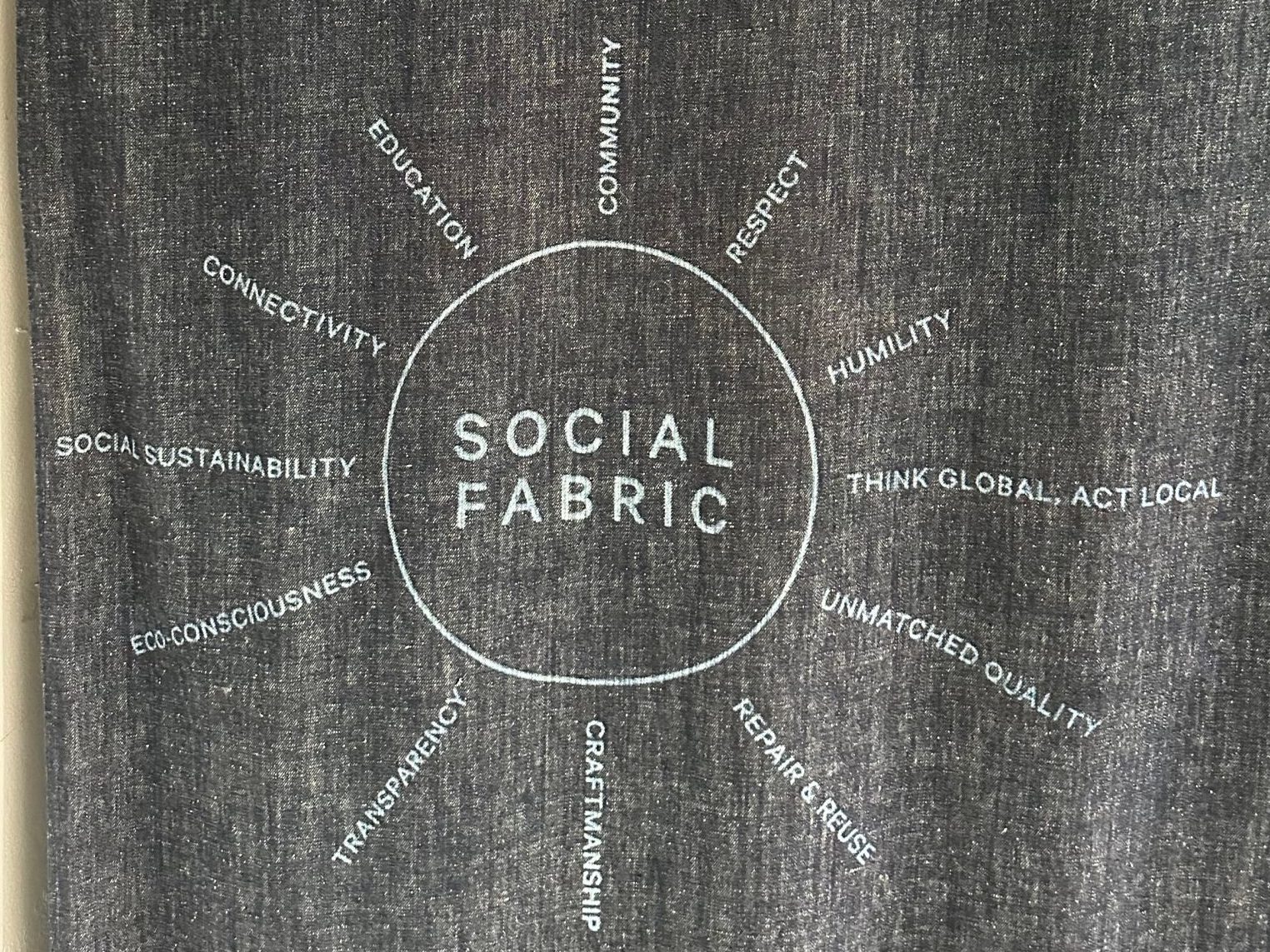
Blackhorse Lane Ateliers’ core values are ethical and community-based. They host open houses to share their work/manufacturing processes and introduce themselves to their neighbours. Community is built and reinforced regularly : when the weekend rolls around and the weekday denim factory clears their tables, the space transforms into Slowburn, an innovative restaurant offering fare amid the workbenches.
 live | make | transform