
ham : part 1

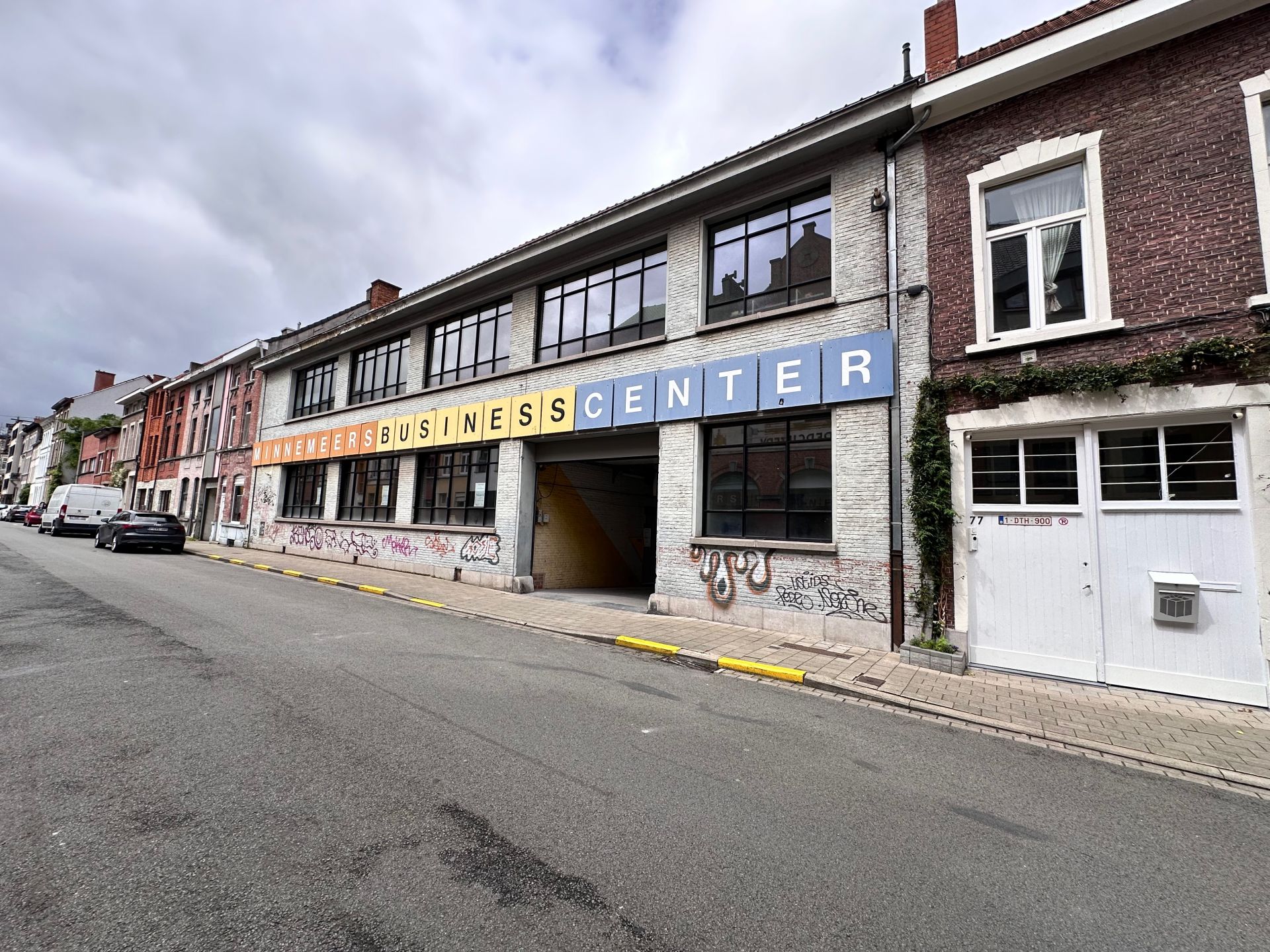

In Ham, a district northeast of Ghent’s city center, there are several city blocks composed of residential and industrial buildings. This mixture is quite different from examples of city blocks in a separated North American zoning.
From the Middle Ages onwards, Ghent’s cityscapes were dotted with small urban workshops that supported many parts of the textile industry — spinning, twining, bleaching, dyeing, weaving, etc. These operations varied from a few people to a few dozen, and could work out of a home or a structure in a rear yard or courtyard.
With industrialization, production quotas grew. The textile workshops became more like small factories and moved out of the old city center, past the outer ring of canals and into peripheral areas.
In Ham, the forces of Ghent’s urban growth and the remnants of its industrial heritage are evident. Here, small and large-scale manufacturing have co-existed on the same block with residential dwellings.
These blocks have a very distinct pattern. The residential dwellings define the streets, forming irregularly shaped city blocks. A large percentage of the core is carved out and given to manufacturing spaces.
On a primarily residential streetscape, there are identifiable industrial buildings whose front elevations aim to blend in proportionally with the adjacent row houses.
Access to the inner core is through a driveway, which just gives hints of the unexpected beyond.
ham : part 2
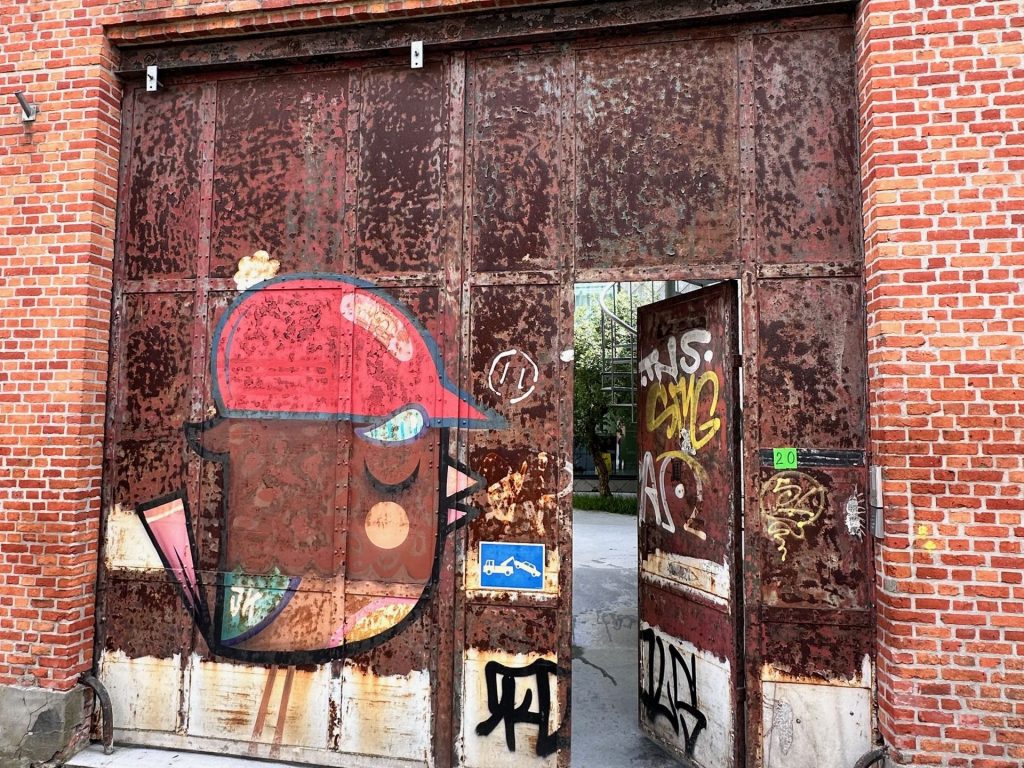
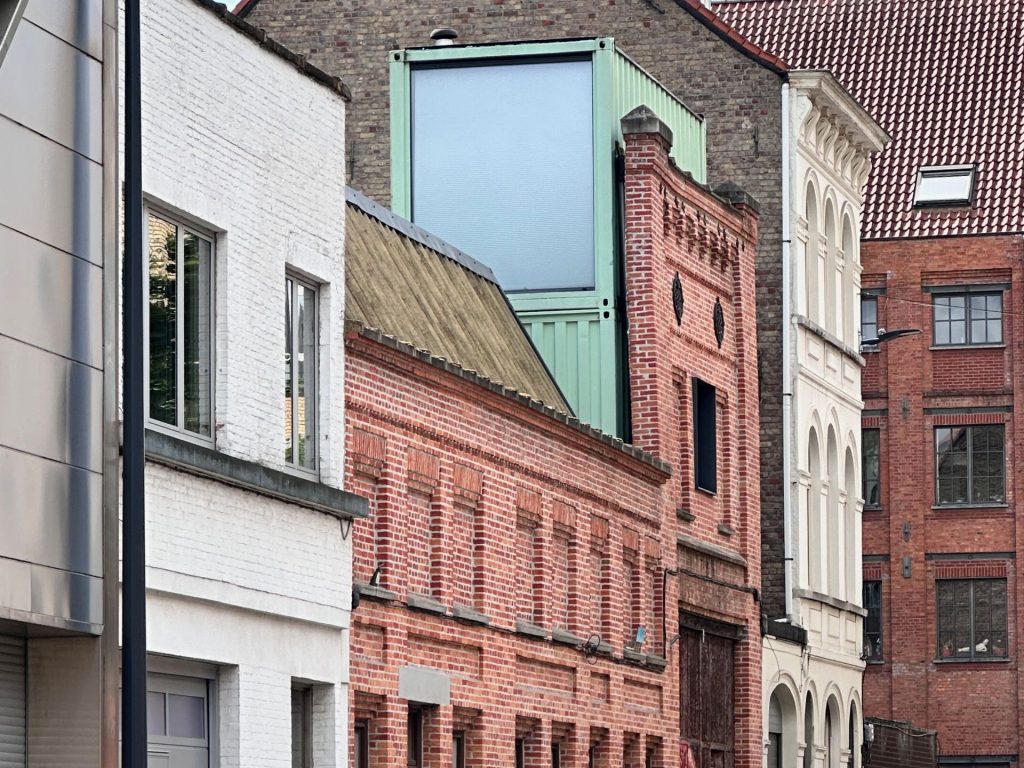
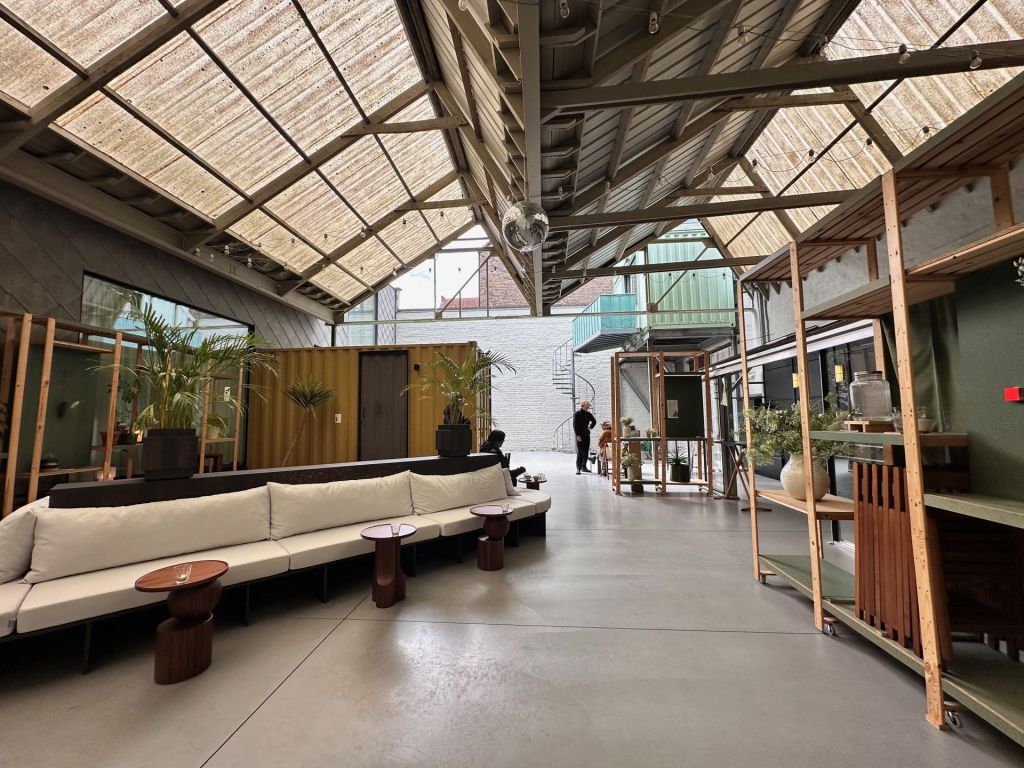
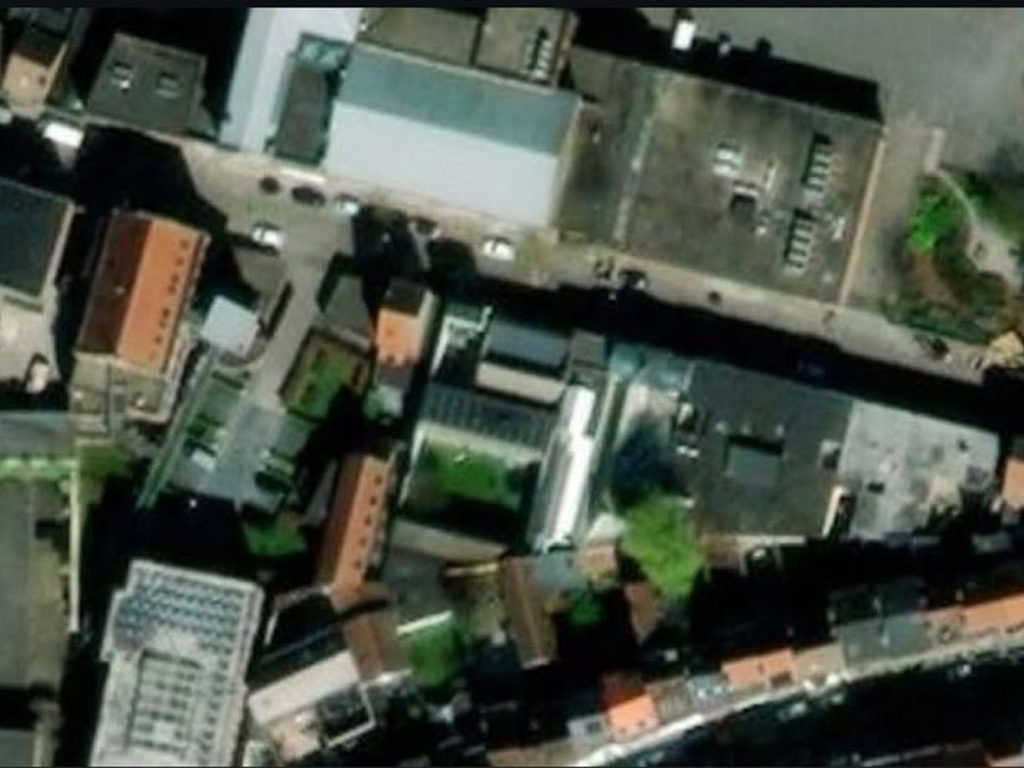
Wandering through the residential streets of Ham, we came across a small renewal project.
Previously this carved out workspace was used as a blacksmith workshop. Led by Studio Mie and NU architectuuratelier, this re-purposed industrial building is now a “space for living, working and meeting.”
Set within the walls of an aged industrial site and organized around two courtyards (one public, one private), this home separates and fuses three functions :
1) a public meeting place for small gatherings and events, including @studiomie_oneroomhotel (street-side)
2) a personal residence for a family of four. (center)
3) a studio/workshop (rear)
Many large corporations demolish or transform these older sites with a heavy hand — profit-driven projects that add little value or care to the neighborhood.
This playful and joyous live/make home shows a delicate touch and nuanced approach to its industrial heritage, providing a wonderful meeting space that can help build community.
 live | make | transform