
circularium : part 1
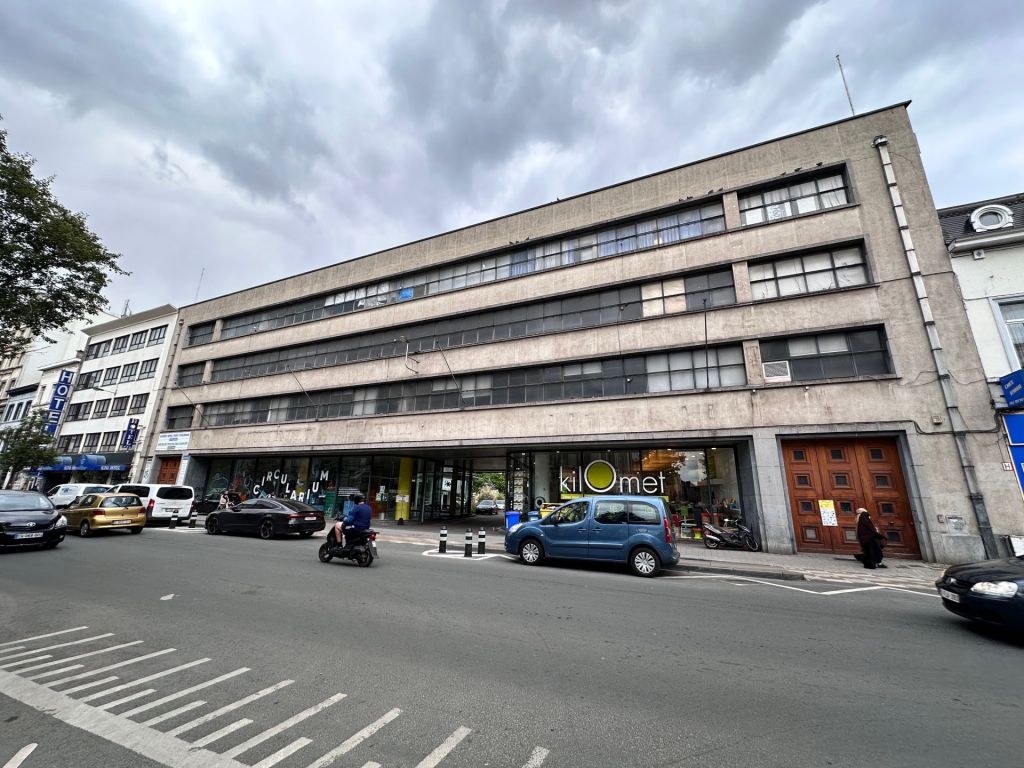
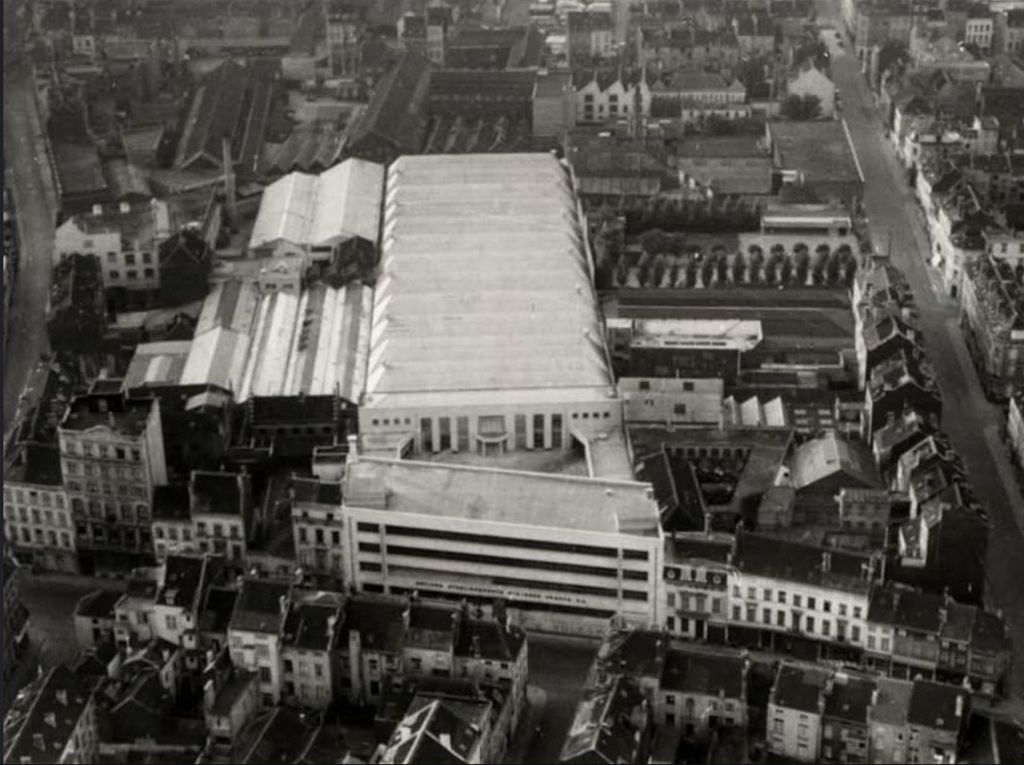
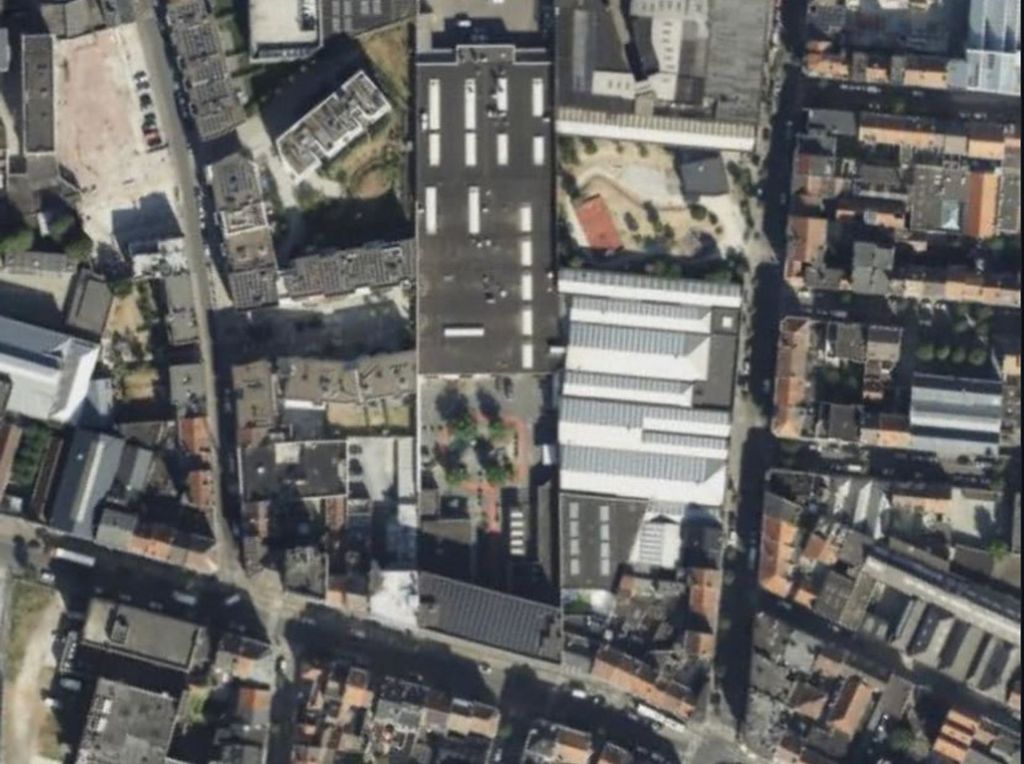


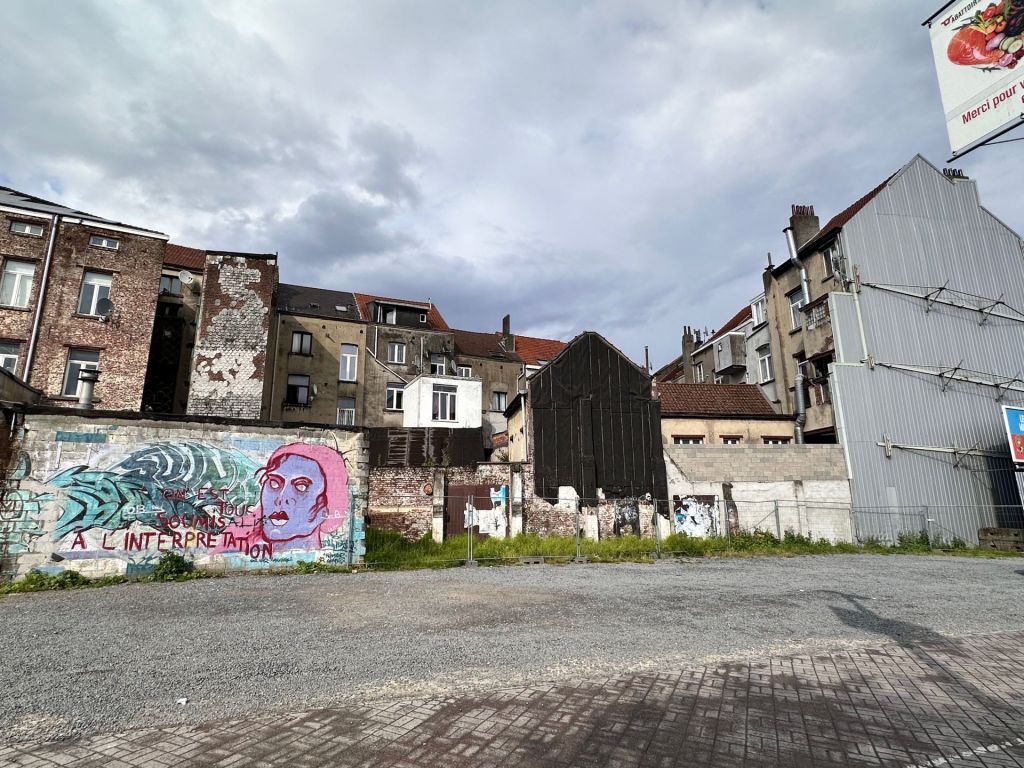

Brussels was one of Belgium’s manufacturing powerhouses in the 19th and early 20th century. Like Ghent, factories and warehouses were set amidst the residential neighborhoods, with worker housing, single family homes and low rise apartments.
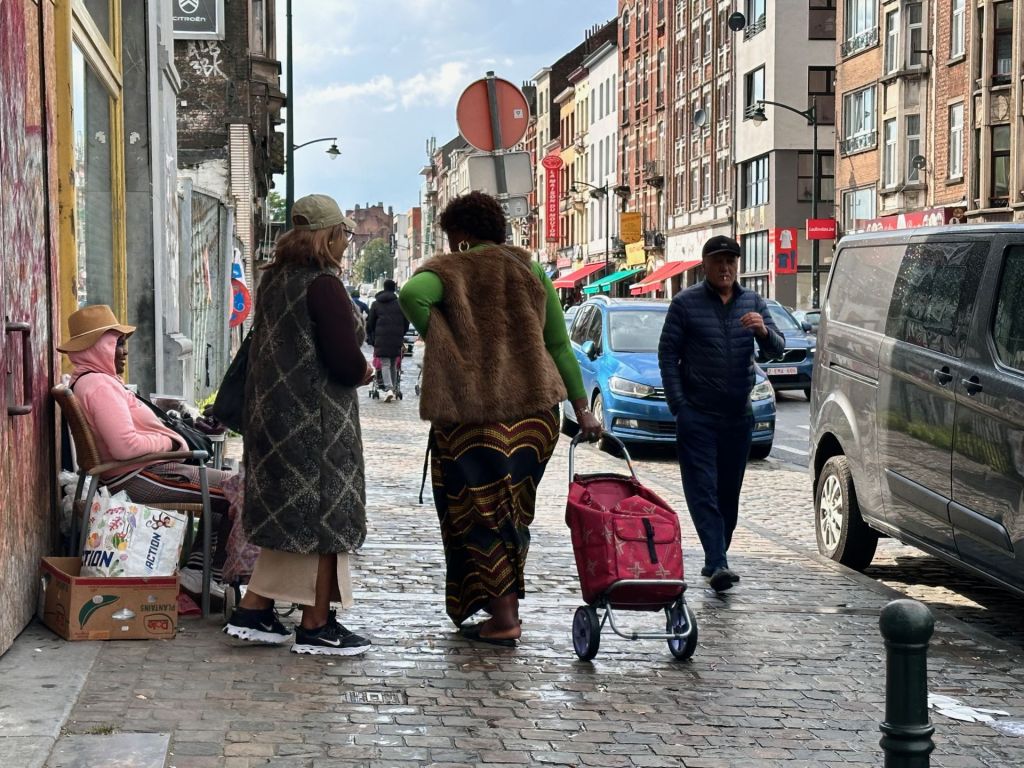
We wanted to visit Circularium, located in a gritty, vibrant, yet economically depressed area near Brussels’ Gare du Midi.
This large site is owned by D’ Ieteren Immo, a Belgian-based company which repairs and distributes cars. After a company re-structuring in 2018, the D’ Ieteren Immo facilities and their multiple workspaces were to be left vacant.
D’ Ieteren Immo worked with 51N4E and various government agencies on new development plans, undertaking a strategy of incremental development and pro-urban manufacturing. What ultimately came about was Circularium — a new breed of hybrid factory with a sustainable and social conscience.
Of the many projects we visited for our research, Circularium’s location is one of the most distinctly residential. This site is not an industrial park on the outskirts of town, but in the midst of a dense urban fabric — close to bustling main streets, many types of housing and many modes of transit. The surrounding neighbourhood is populated by a diverse mix of immigrant groups; Middle Eastern and African storefronts, restaurants and street art infuse the area with vitality.
circularium : part 2

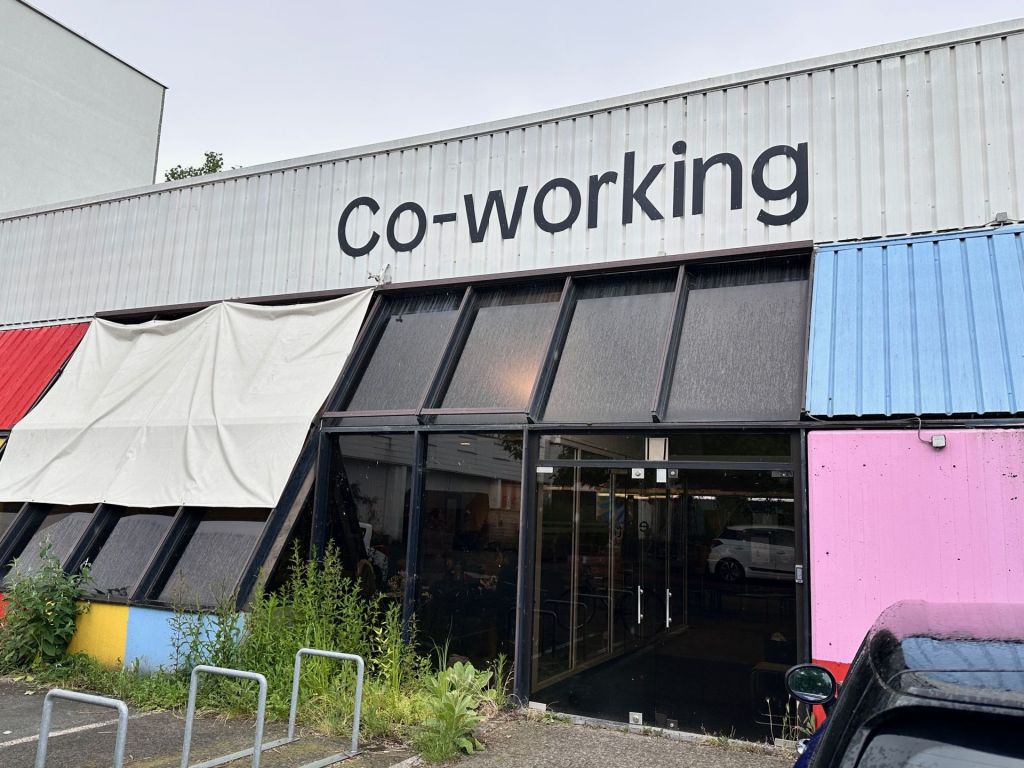
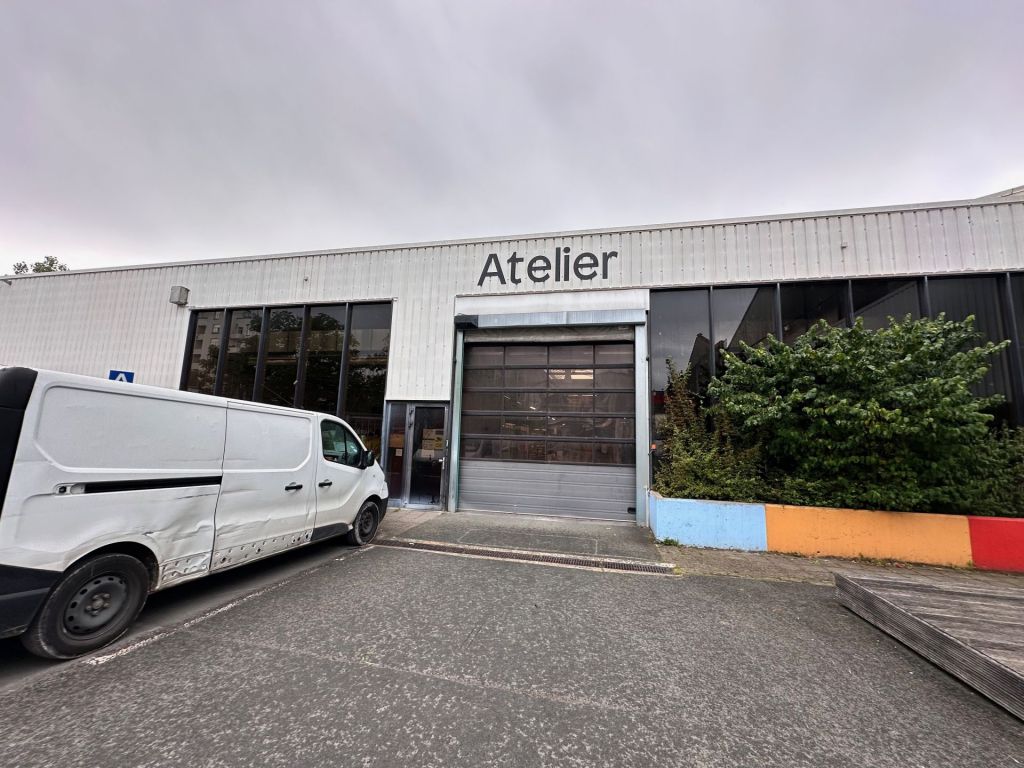

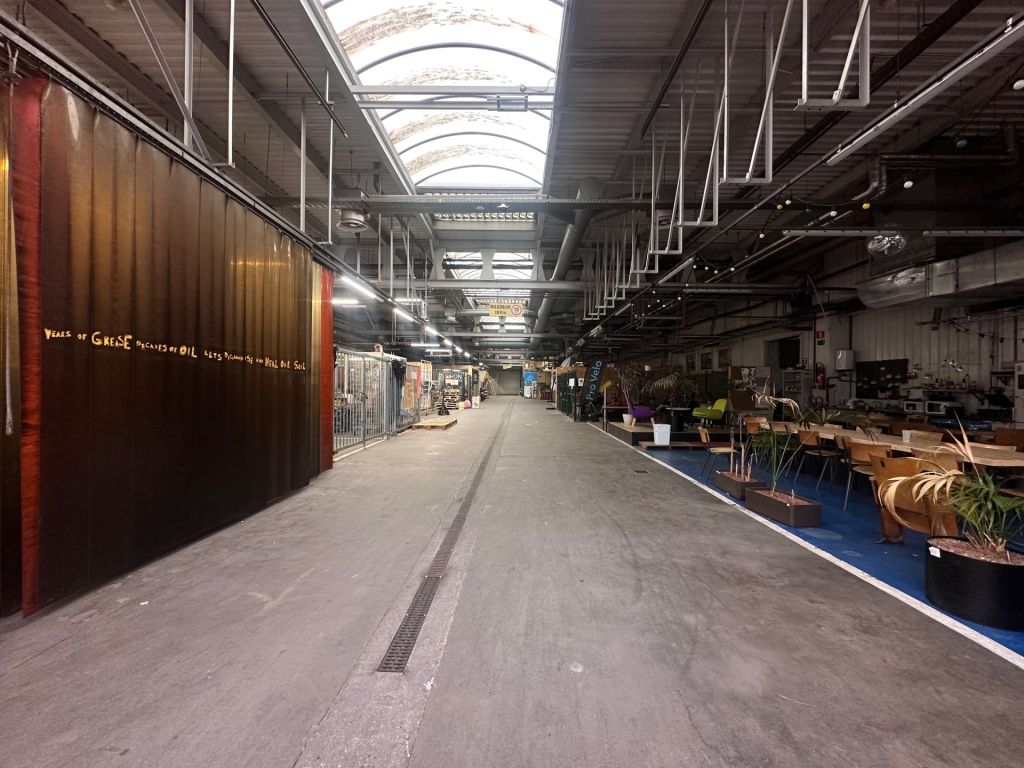
Circularium promotes a mixed-use hybrid model and an incremental strategy in the re-use of industrial buildings.
Circularium is a venture between :
1) D’ Ieteren Immo : a Belgian-based company that owns the previous car manufacturing facilities
2) 51N4E : design and planning
3) Makett : a project co-ordinator who curates and manages the site
4) Tenant (make) : carpenters, metal and textile workers, recyclers, bike repair, etc.
5) Tenants (other) : co-working spaces, IT programmers, social services, etc.
Circularium’s value lies not in any pristine architectural design, but within its many levels of experimentation and the variety of opportunities it affords to an underserved community.
With their large spans, high ceilings, hard-wearing floor surfaces and drive-thru capabilities, the existing structure of the factory buildings makes them uniquely suited to today’s manufacturing spaces and activities. Industrial architecture provides great spatial flexibility, and this remarkable re-use supports the creation of a variety of studio and shared workshop sizes. This allows sites like Circularium to support a diverse crew of small-scale manufacturers, artisans and craftspeople.
Additionally, the strategy of incremental development helps D’ Ieteren Immo reduce risk and the amount of development costs. Keeping manufacturing within previous manufacturing sites allows for comparatively minimal investment (compared to a change in usage) and a phased-in time frame. This further facilitates more affordable rent for start-ups and small entrepreneurs — especially crucial for an urban site situated near transit and within city limits.
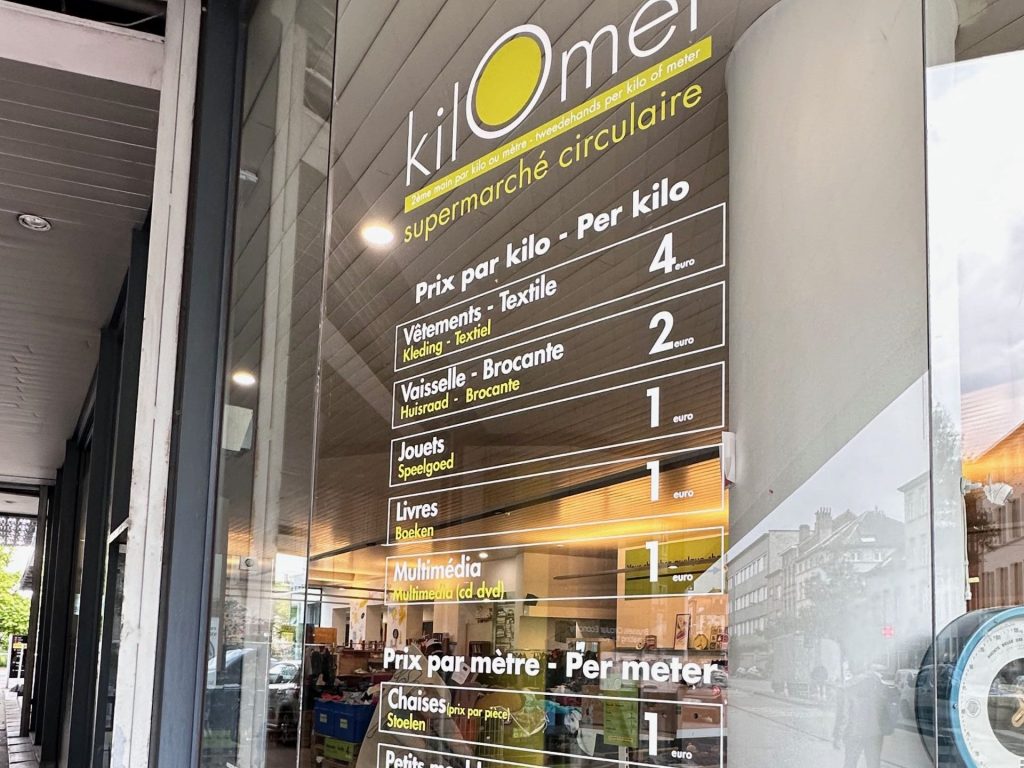
Circularium’s core values also include ventures to build community and aid its underserved neighbours. The car showrooms on the Main Street are now event spaces and a recycle shop, including a free store. The courtyard is further used for art installations, festivals, pop-ups and social and cultural gatherings.
 live | make | transform