
The Netherlands is a small, resilient country with a willingness to dream big. Geographically low compared to sea level, over the centuries the Netherlands have reclaimed land from the North Sea and implemented a system of water management with canals, dikes and sea barriers.
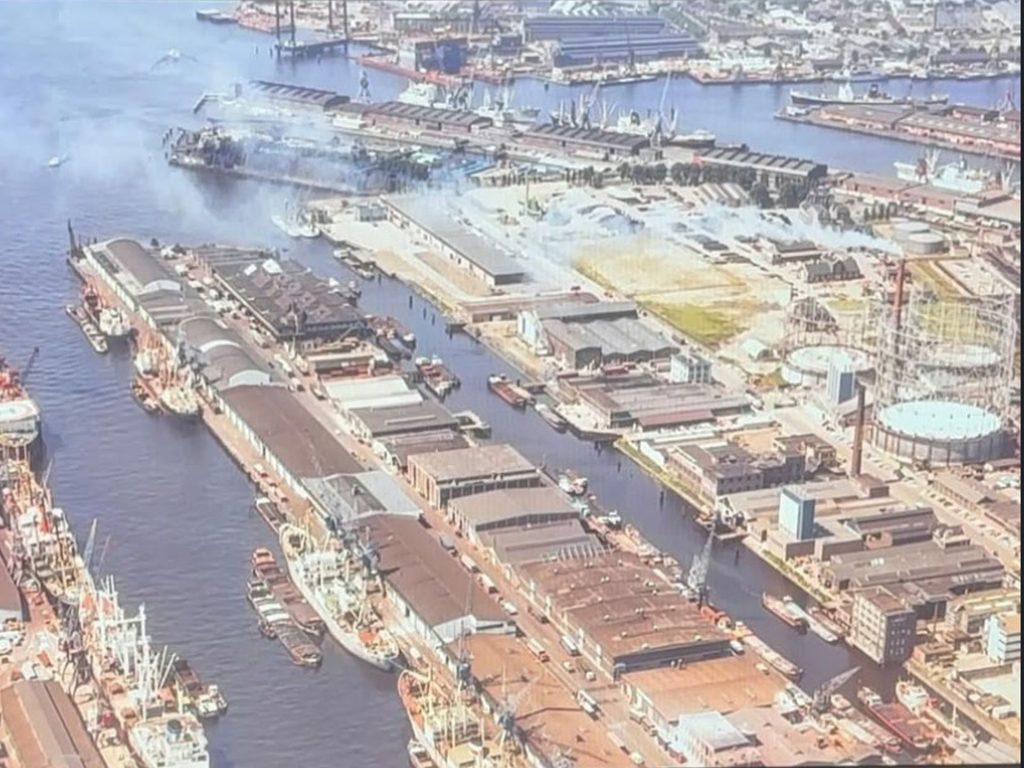
The Port of Rotterdam is one of the busiest ports in Europe. When parts of the port operations moved, Rotterdam was left with large swaths of industrial land, factories and warehouses, all close to the city center.
Rotterdam Maker District was commissioned by the Port of Rotterdam and the Municipality of Rotterdam. A huge acreage was set aside for RDM — an information, technology and maritime hub which houses many institutions, innovative companies and energetic startups.
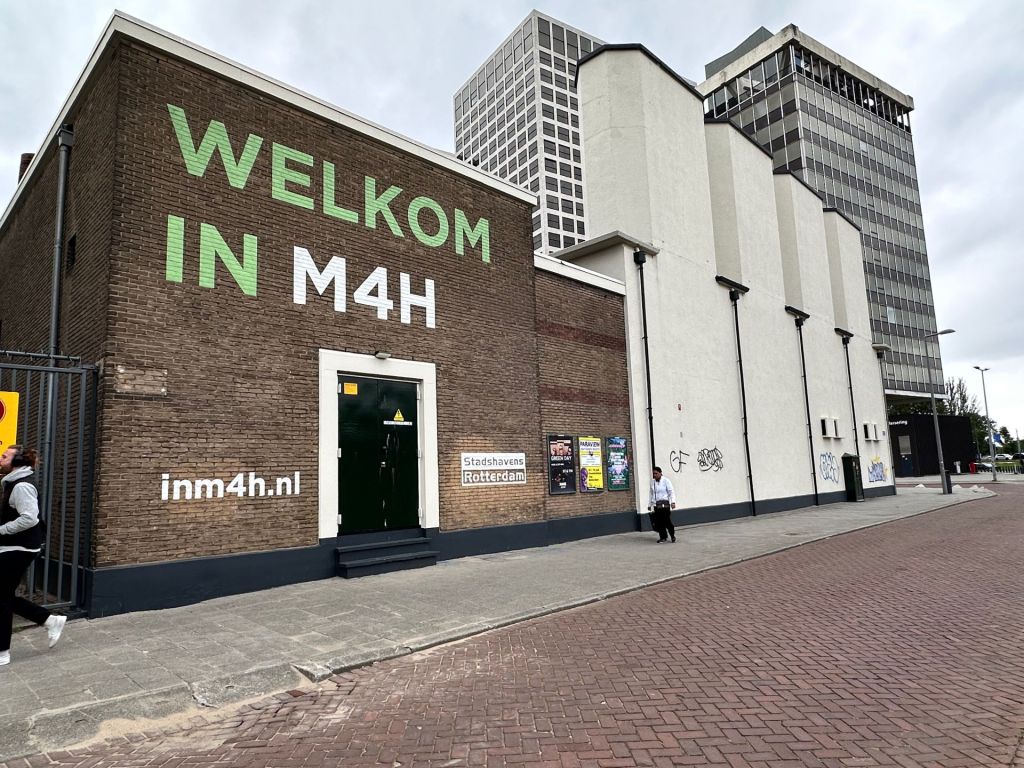
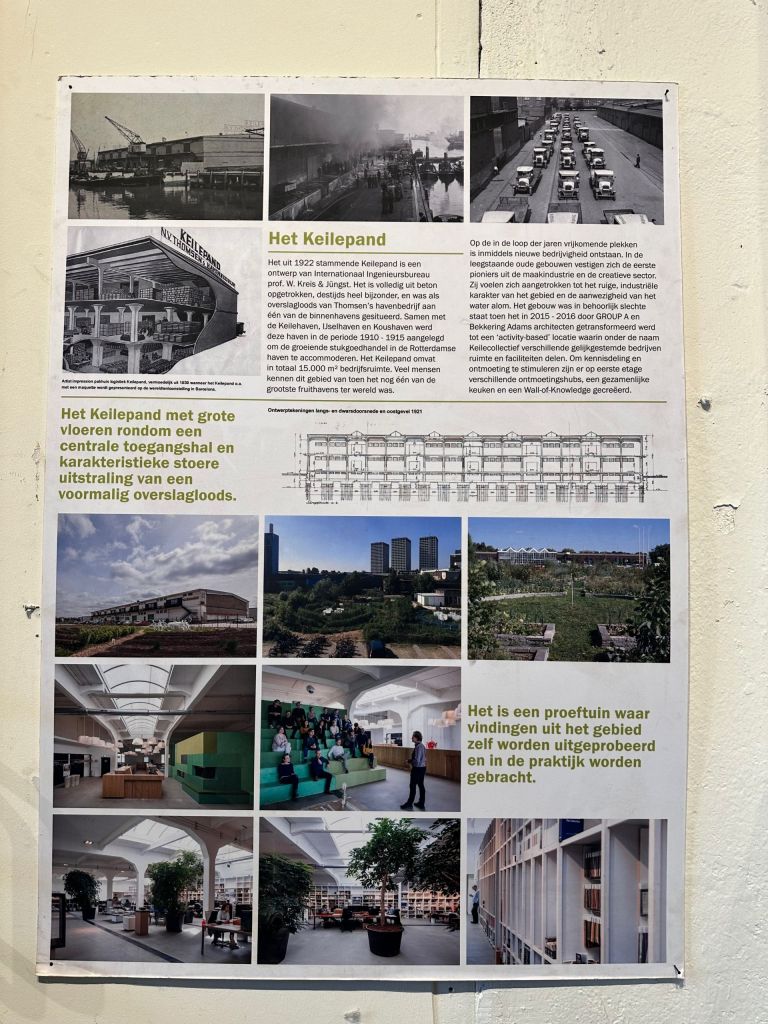
The portlands where the massive fruit warehouses used to operate is being re-imagined as M4H, a Maker District which aims to integrate living and making. While in the preliminary planning stages, M4H is on the scale of a mini-city and has a design and construction timeline of decades.
M4H’s master plan stresses the principles of livability : public spaces, various densities, affordable housing, a circular economy, connections through transit and the use of sustainable and renewable materials.
The significance of M4H is that it reflects a new attitude for a healthy and vibrant city, one where living and making can co-exist. In M4H, workspaces for small and mid-sized manufacturers, creative artisans, and makers are included. This is a maker district wherein opportunities for making would be integrated into neighbourhoods, with housing, educational and cultural institutions, sport facilities, restaurants and retail.
 live | make | transform