
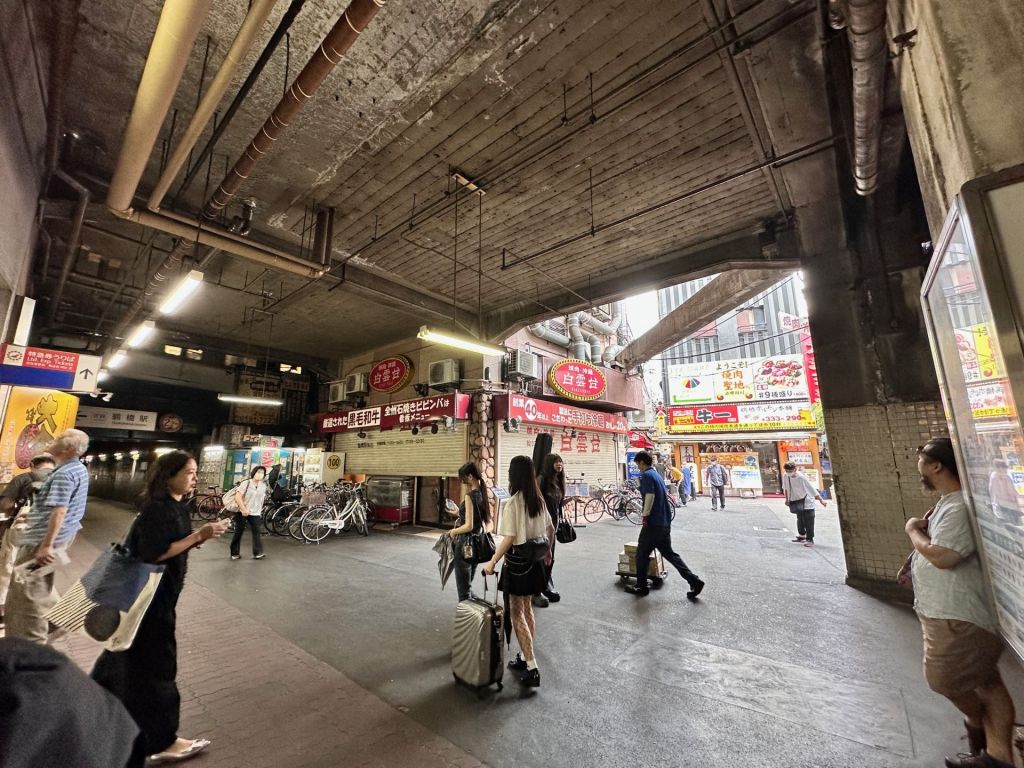
Japan has a wide variety of pedestrian-oriented streets. This stems from the urban growth of many centuries, with cities and towns that predate the automobile.
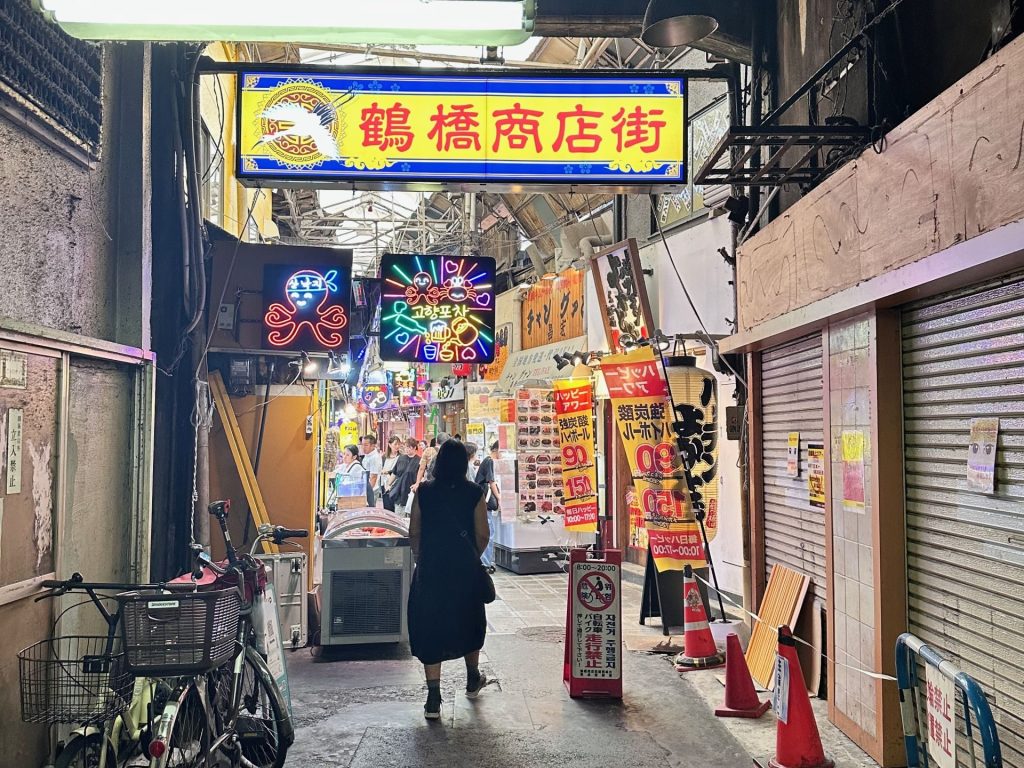
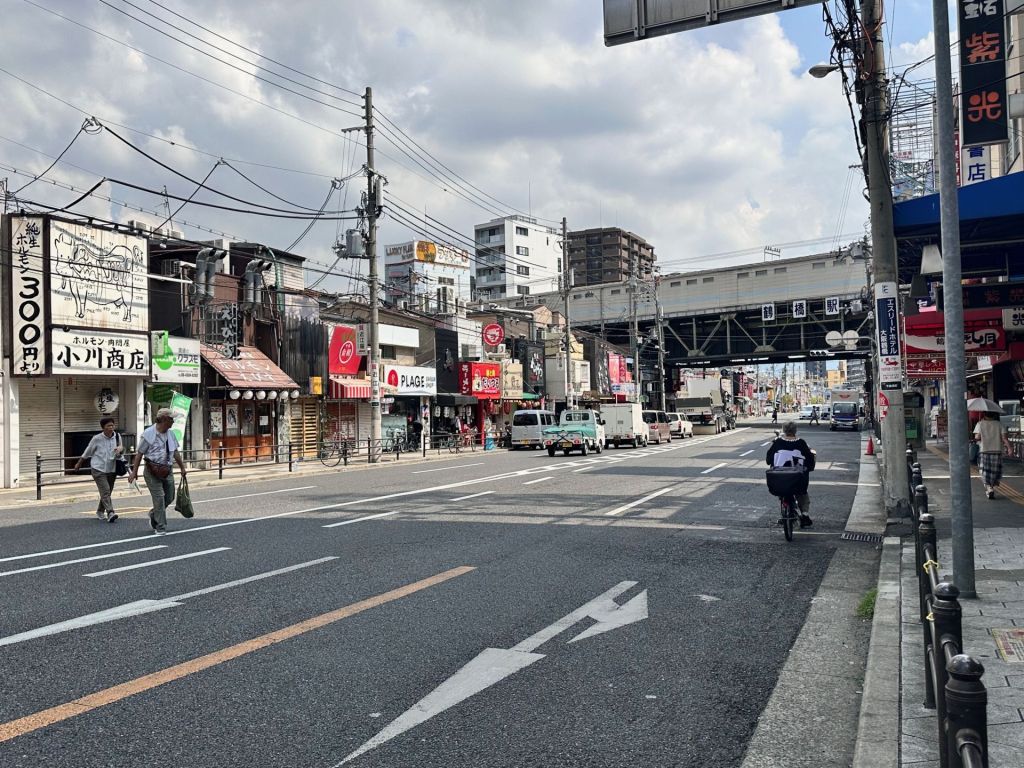
Located near the intersection of two train stations and tucked behind four-way roadways, Tsuruhashi (Osaka) is the largest Koreatown in Japan. Many residents are third and fourth-generation Koreans, born in Japan.
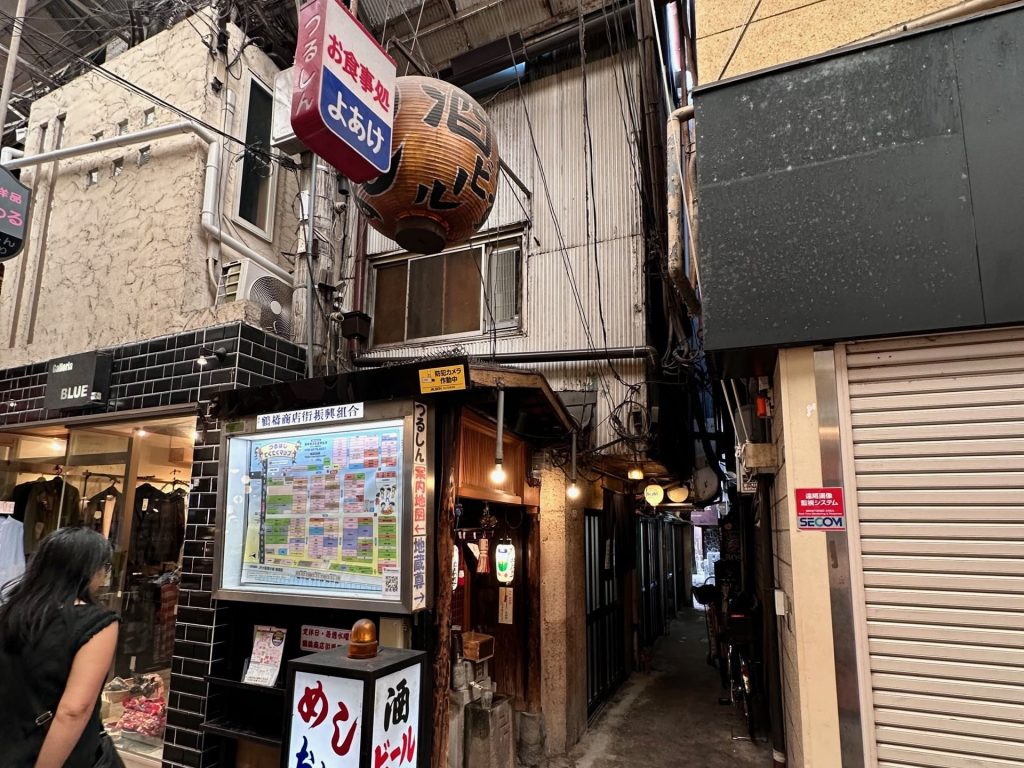
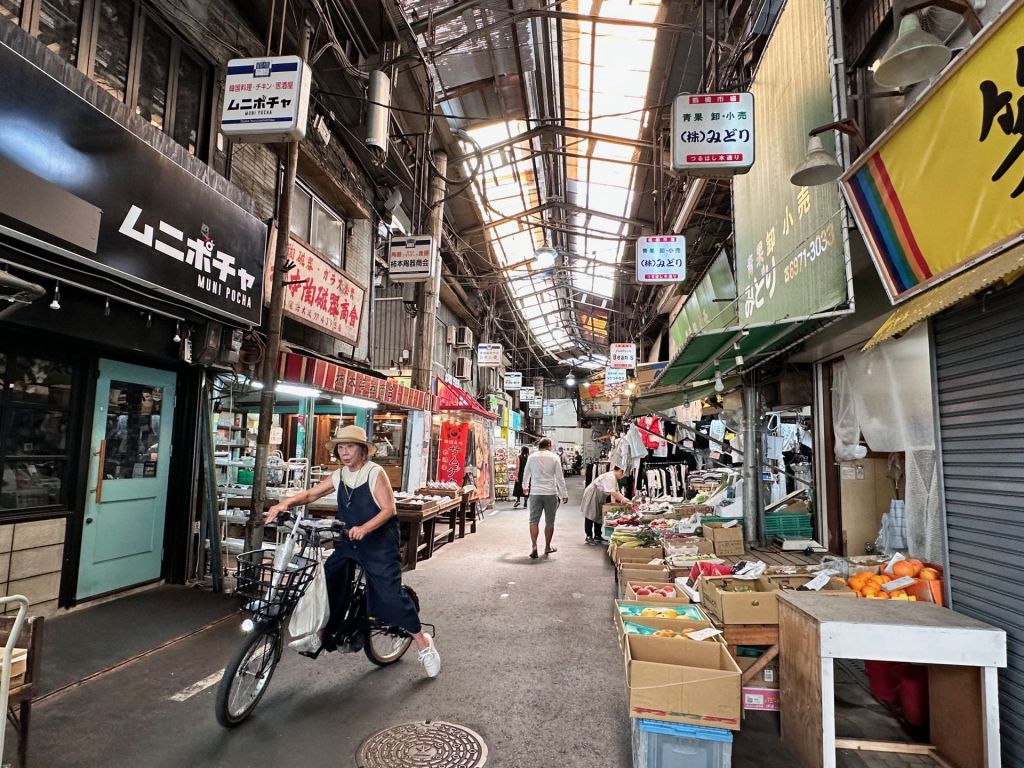
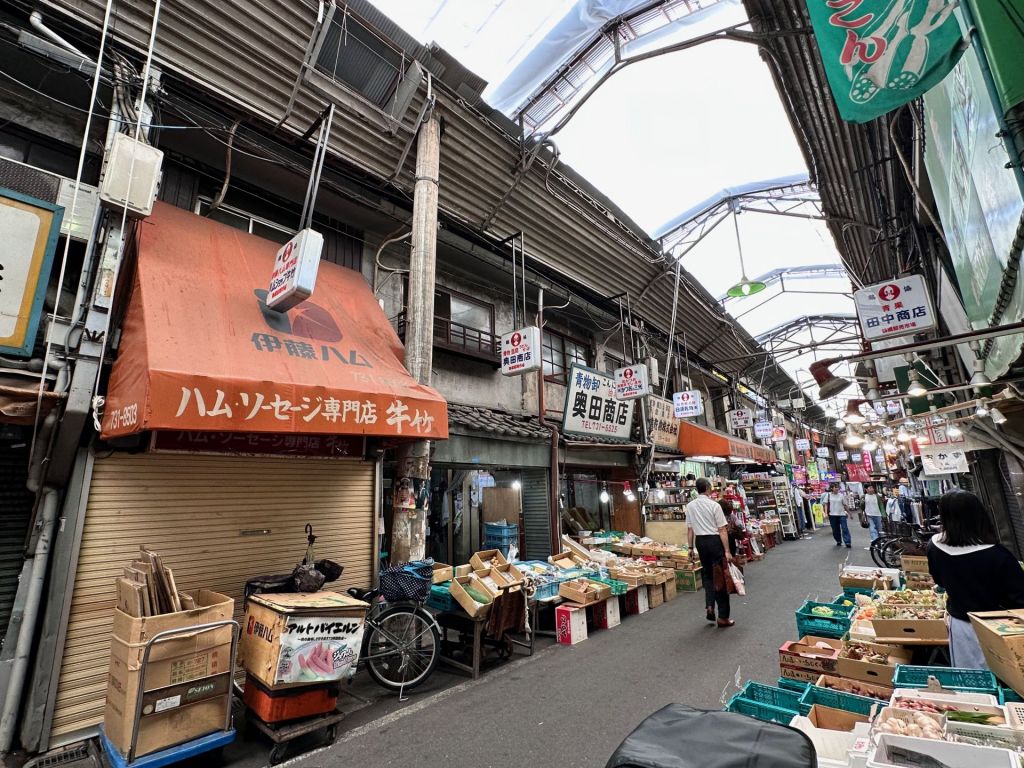
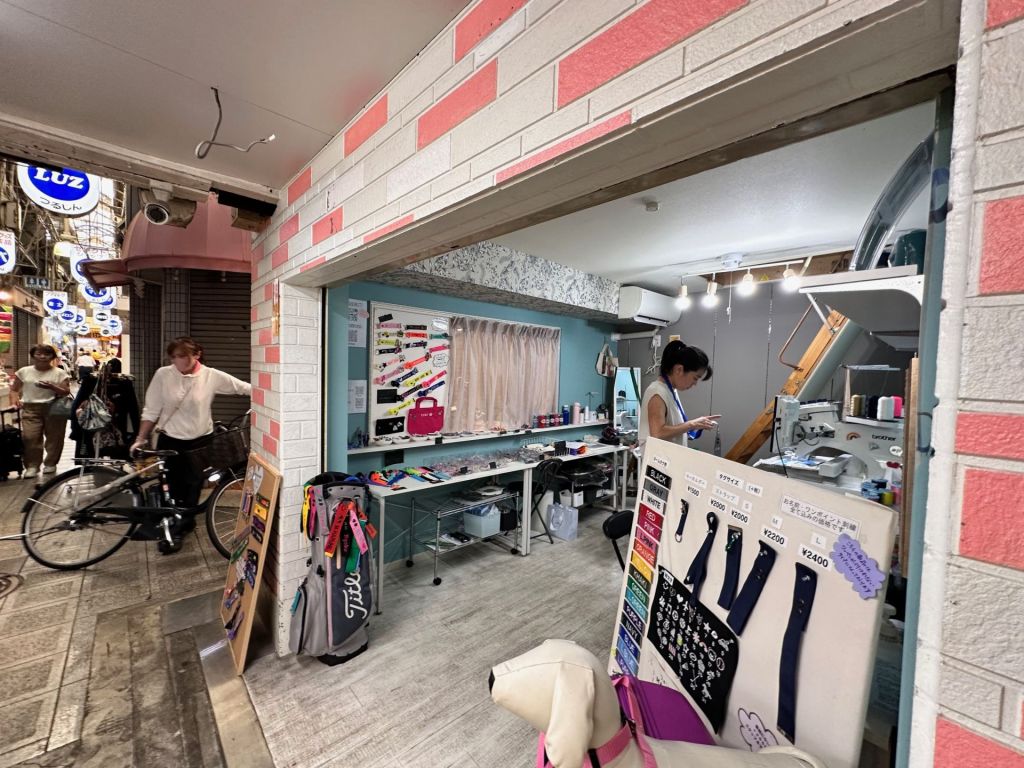
Tsuruhashi is a mix of traditional food suppliers, tiny restaurants, food stalls, and everyday and specialty retailers, with a wide range of services and small-scale manufacturing.
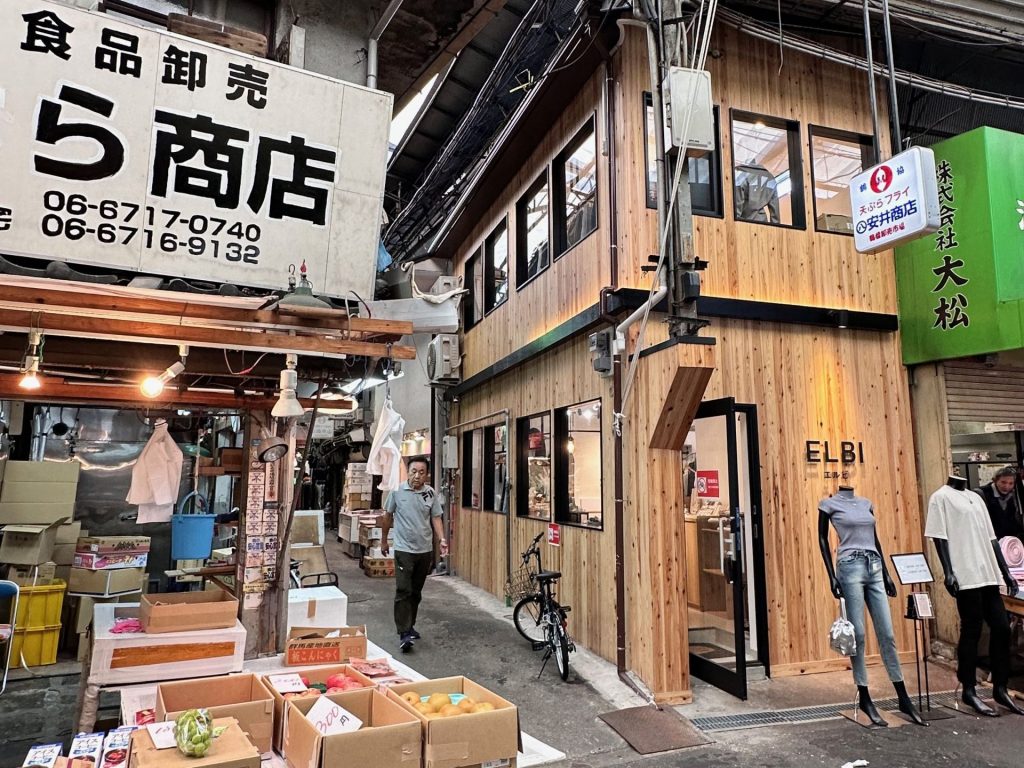
This marketplace is formed by two-storey, live/make buildings. These mixed-use structures line narrow, maze-like streets and alleyways — pedestrian, with the occasional bicycle and overloaded dolly. Covered yet outdoor, and organic rather than strictly regulated, Tsuruhashi feels like a post-WWII time capsule.
There were likely many, many neighborhood markets like this throughout Japan’s historical cities and towns. But most have disappeared — demolished in the name of progress, or replaced with a new style shotengai or pedestrian shopping street.
After spending many years forgotten and in decline, Tsuruhashi is undergoing a renewed period of recognition and appreciation. The layout and structure of these small yet numerous spaces allows Tsuruhashi to maintain its charm and relevancy as a bustling community — even as established makers and business owners retire and make way for new independent entrepreneurs.
 live | make | transform