
In Toronto, the powers that be do not fully embrace pedestrian-oriented streets. While it might be considered good for a weekend event, there are always factions that complain about lack of car access.
North American cities were planned for automobiles. When car access becomes limited, some believe that you are taking a right away. This line of thought can prevent people from making moves to try and enhance the overall experience of the street.
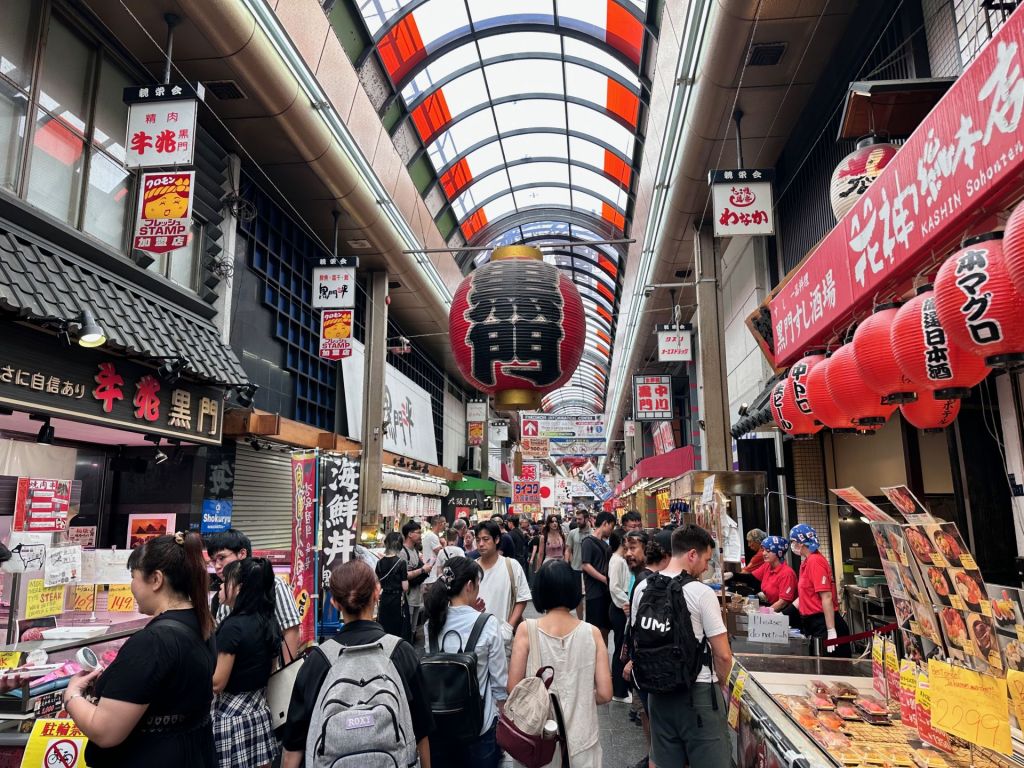
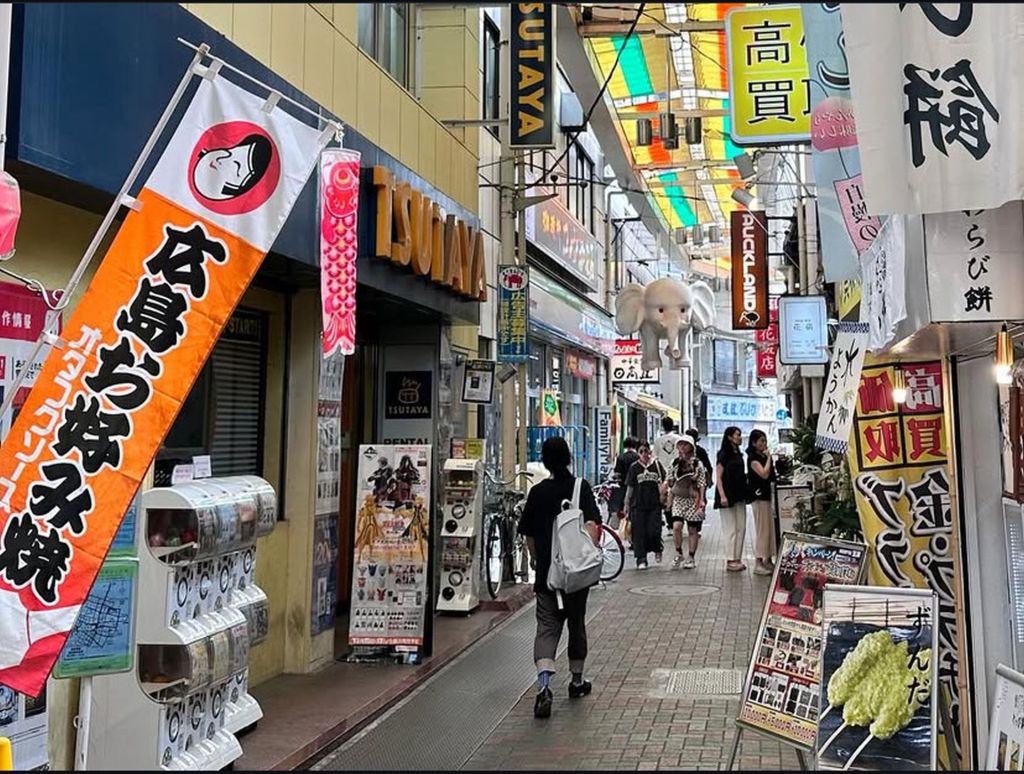
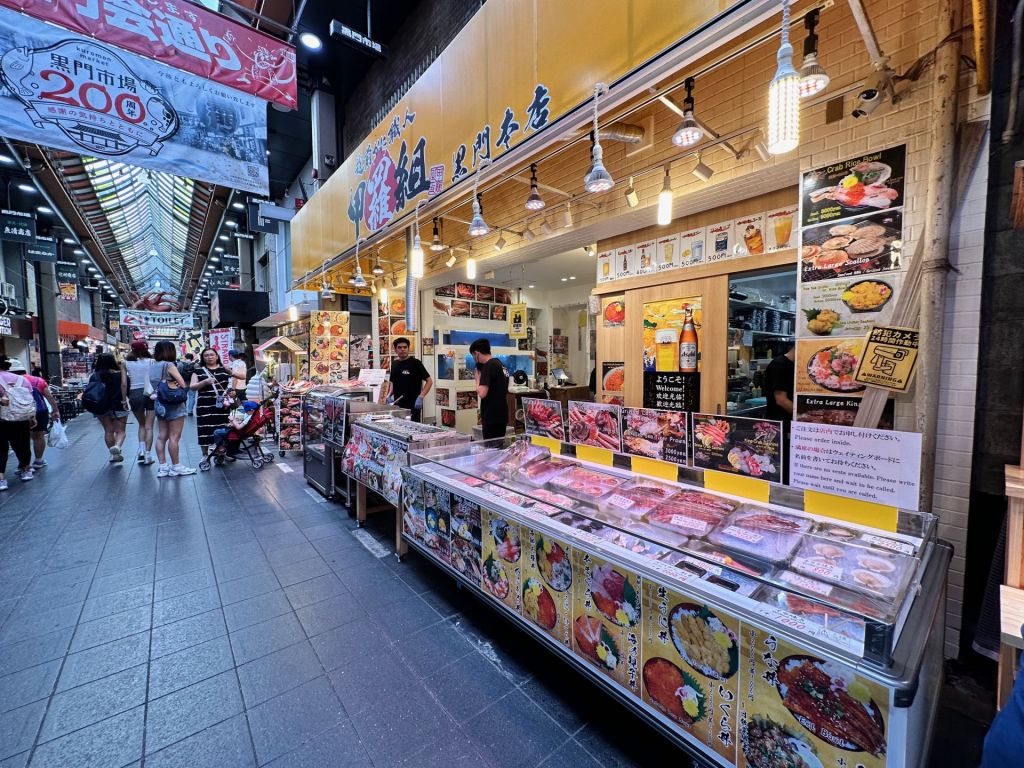
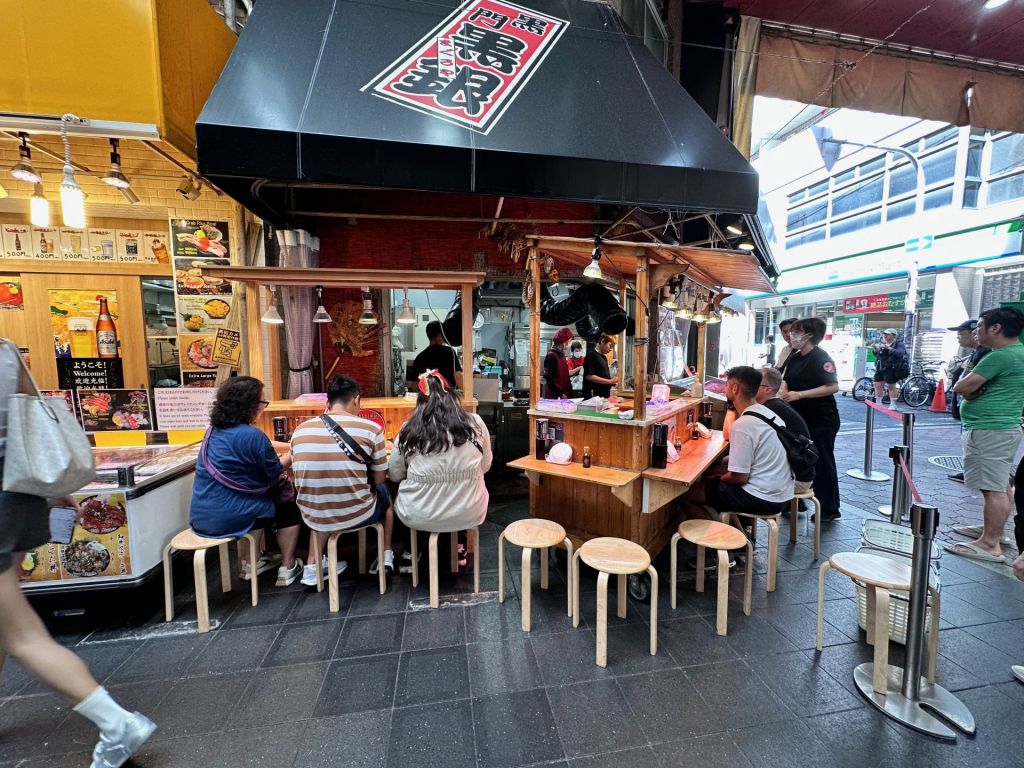
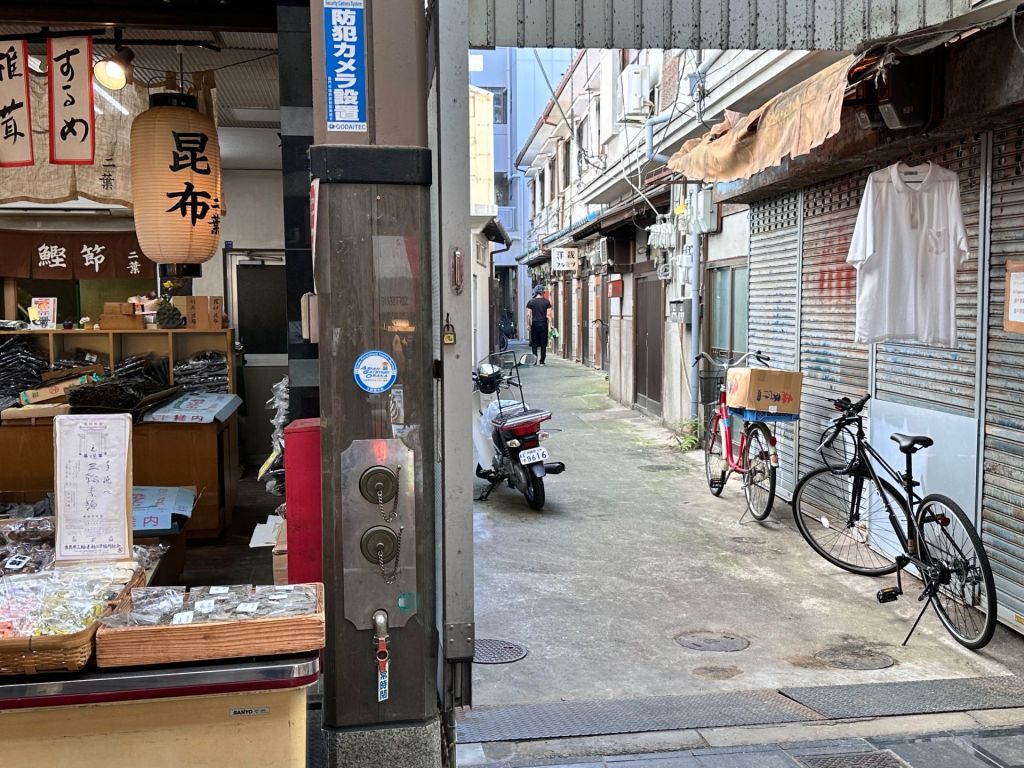
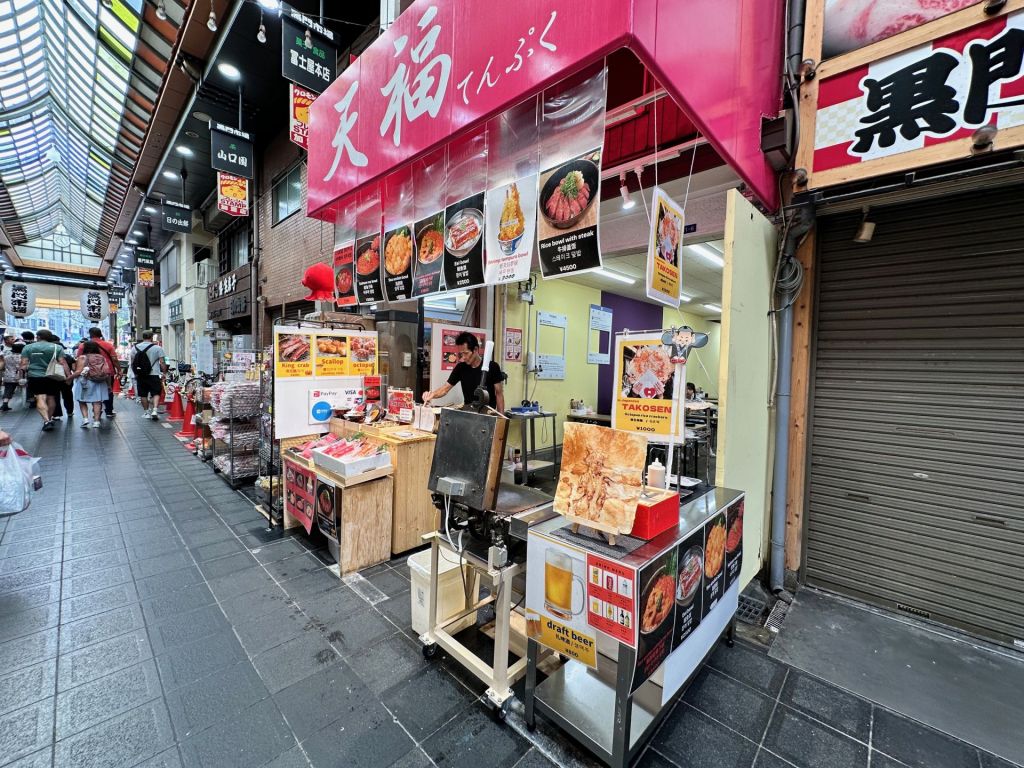
In Japan, almost every town or city neighbourhood has a local shotengai (shopping street). Originally lined with machiya (wooden live/work buildings), and outdoors but now often covered, these linear, pedestrian-oriented shotengai are located near transit centers and surrounded by residential buildings.
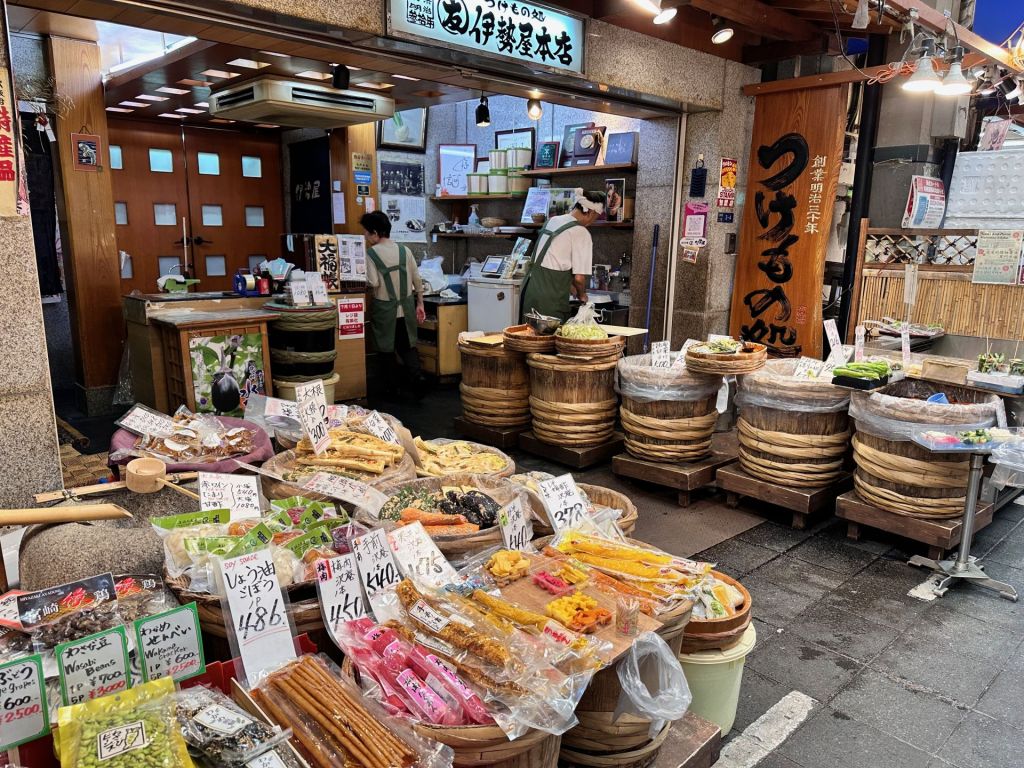
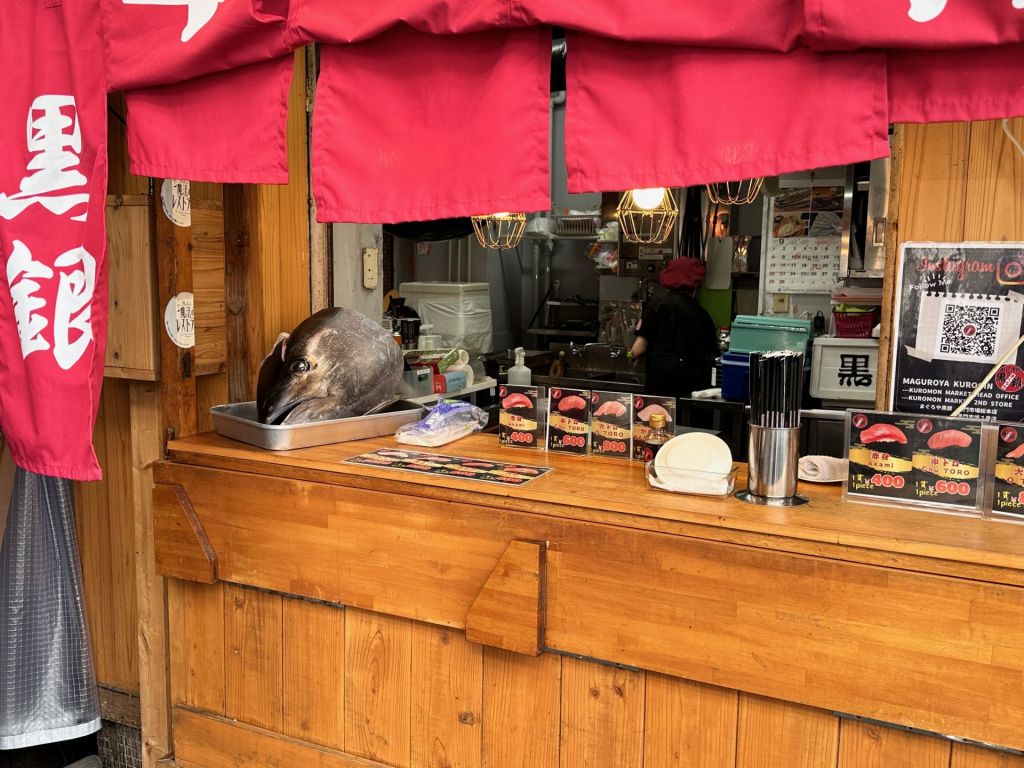
Inhabited by a diverse mix — shopkeepers, small-scale makers, cafes, bars, craftspeople and specialty vendors — the shotengai has been a part of Japan’s urban landscape for centuries.
The height of the buildings and the width of the indoor/outdoor streets vary from the older local shotengai to the taller, wider and newer ones, but all of Japan’s pedestrian-oriented shotengai are much more modest in scale than North American pedestrian malls. Walking through the small stores and stalls of the shotengai is an intimate experience, as the independent shopkeeper, food maker or maker is often the person interacting with the customers.
Like the machiya and yokocho, the urban shotengai are under pressure from increased real estate values, in addition to competition from suburban shopping malls.
However, the value of Japan’s shotengai is not just as a commercial Main Street. The shotengai also acts as a community space for the neighborhood. There is often a temple or shrine, a celebratory festival and an active and vocal grass-roots organization.
 live | make | transform