
shop houses : intro
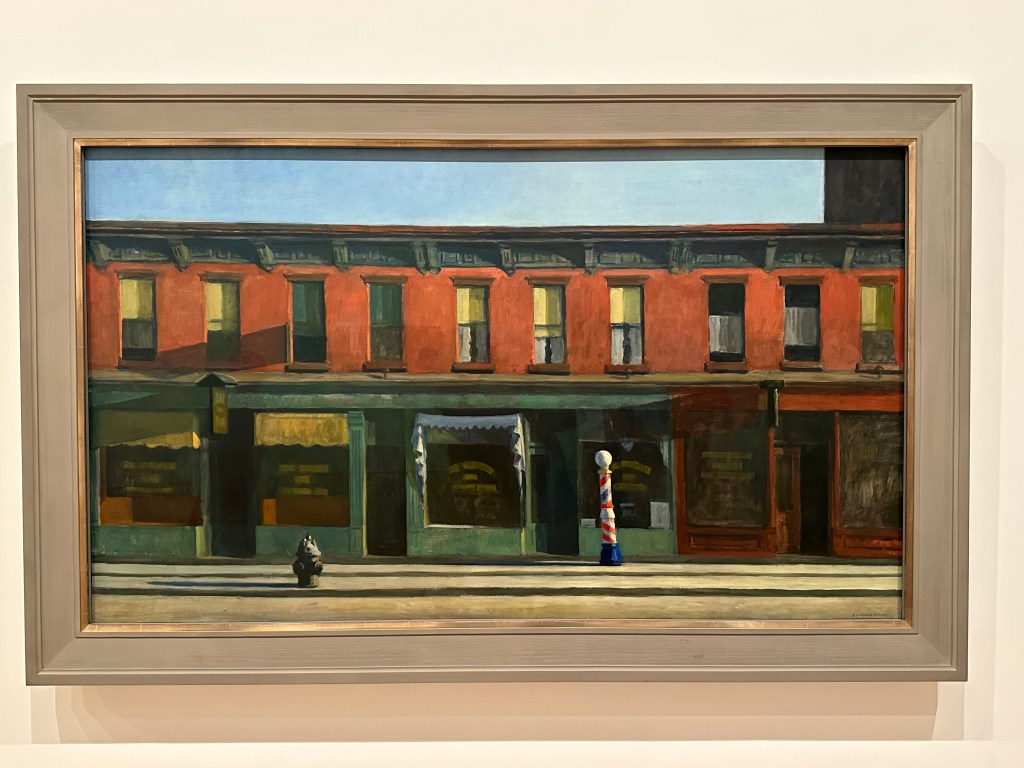
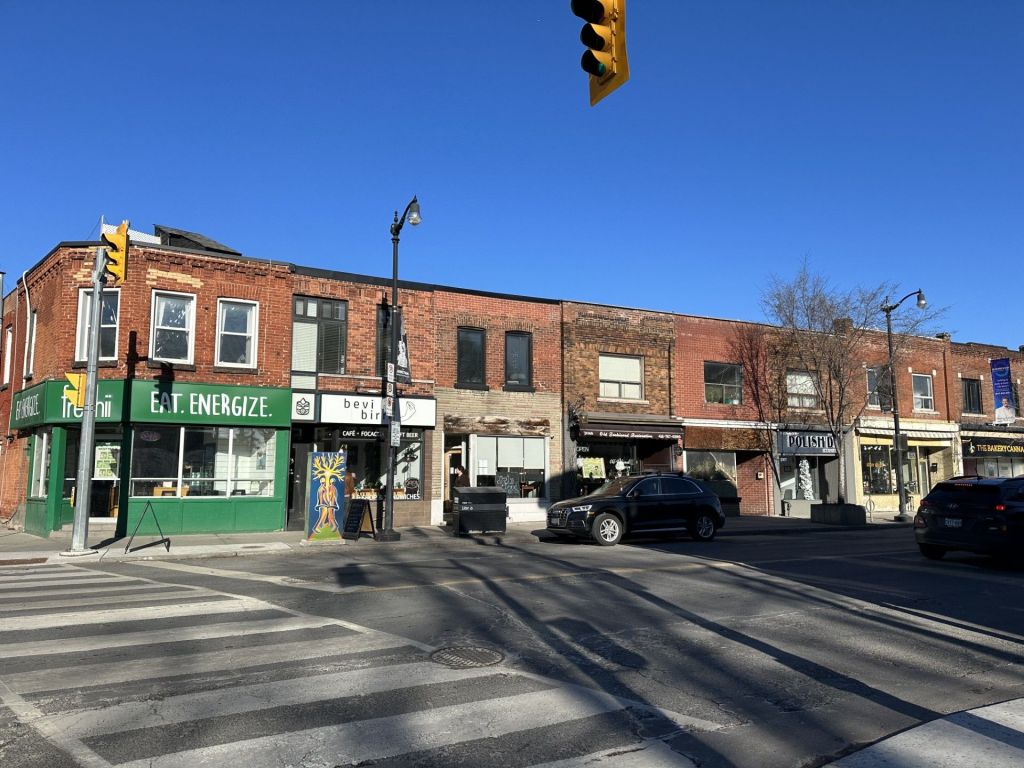

Japan’s “inclusive” zoning encourages mixed-use zoning, offering opportunities in a wide range of places for small entrepreneurs. North American zoning does not provide the same amount of options.
The closest built form to the Japanese machiya (a combined live/work dwelling for merchants and makers) is the Main Street “shop house.” This dual-function property is common throughout North America and allows for a store, business, or sometimes small-scale workshop to face a busy commercial street — with a component for living above or behind.
“Early Sunday Morning” (1930) by Edward Hopper shows this familiar yet iconic street frontage. It could be any Main Street, in any small town in the USA … or a Main Street in the Junction, Toronto.
This form of mixed-use zoning creates a live/work typology, and contributes much to the form and vibrancy of North American streets, neighbourhoods, and cities.
shop house : bookhou
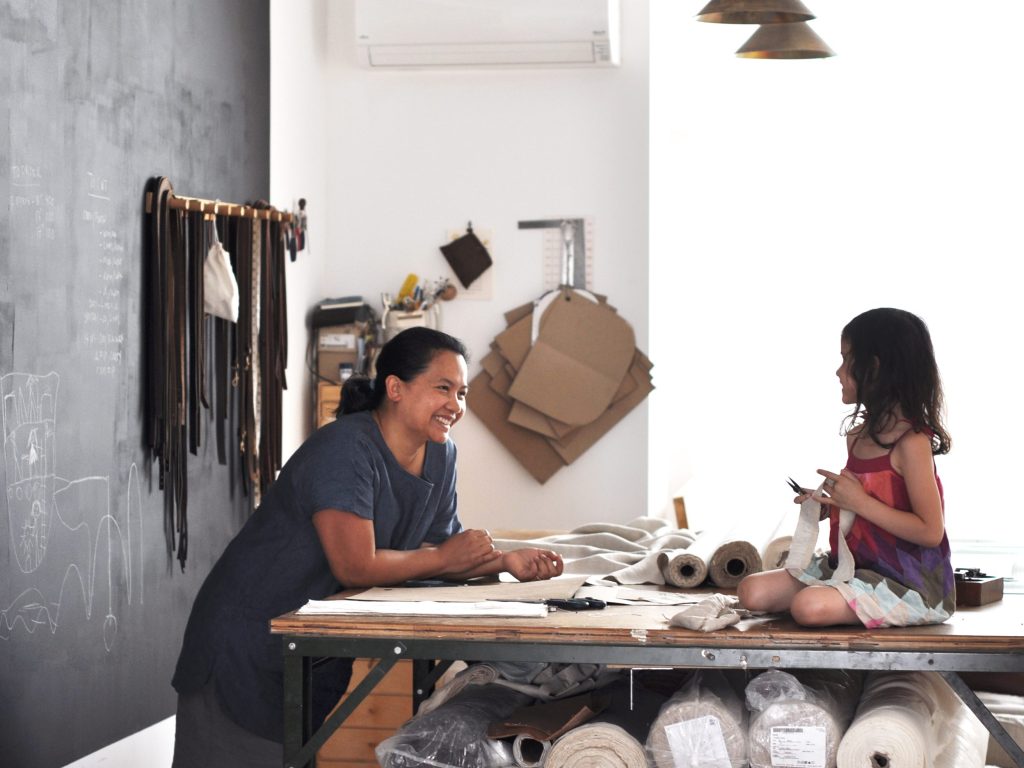
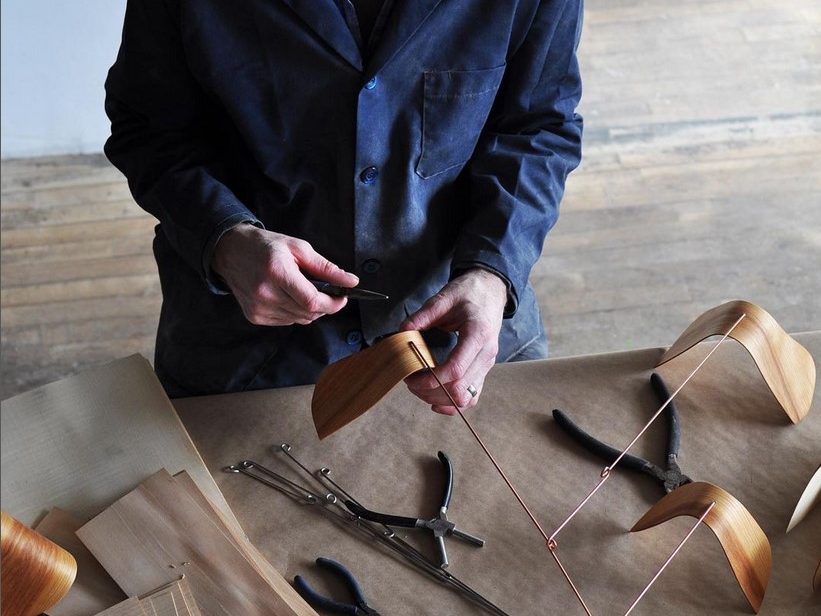
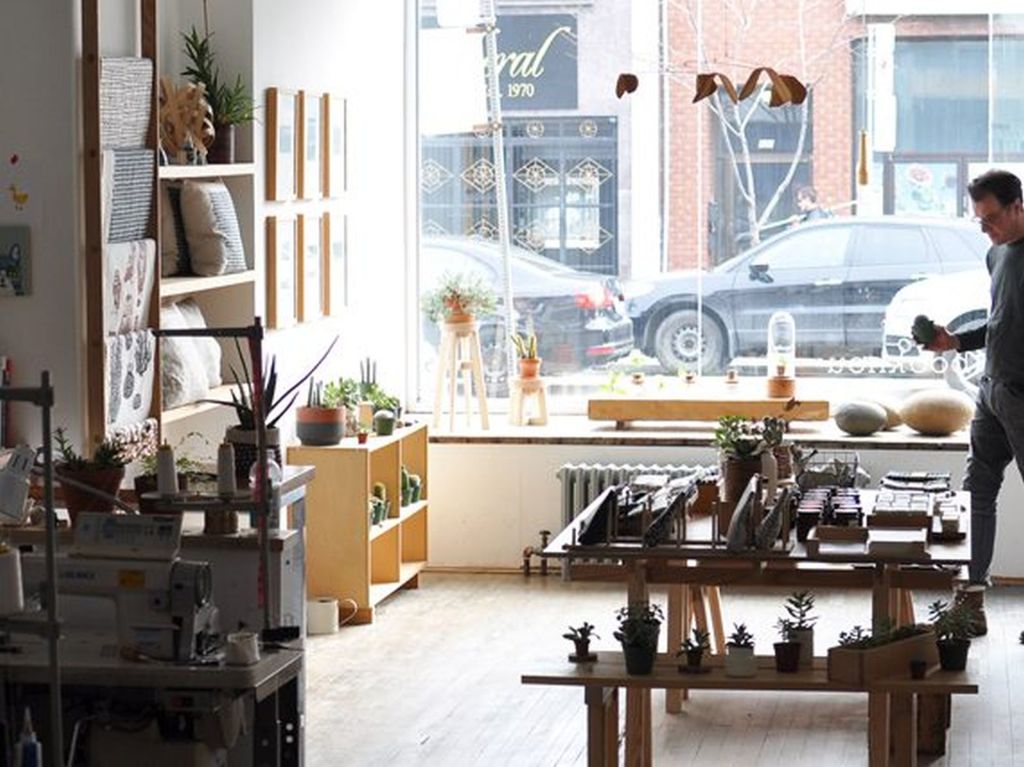
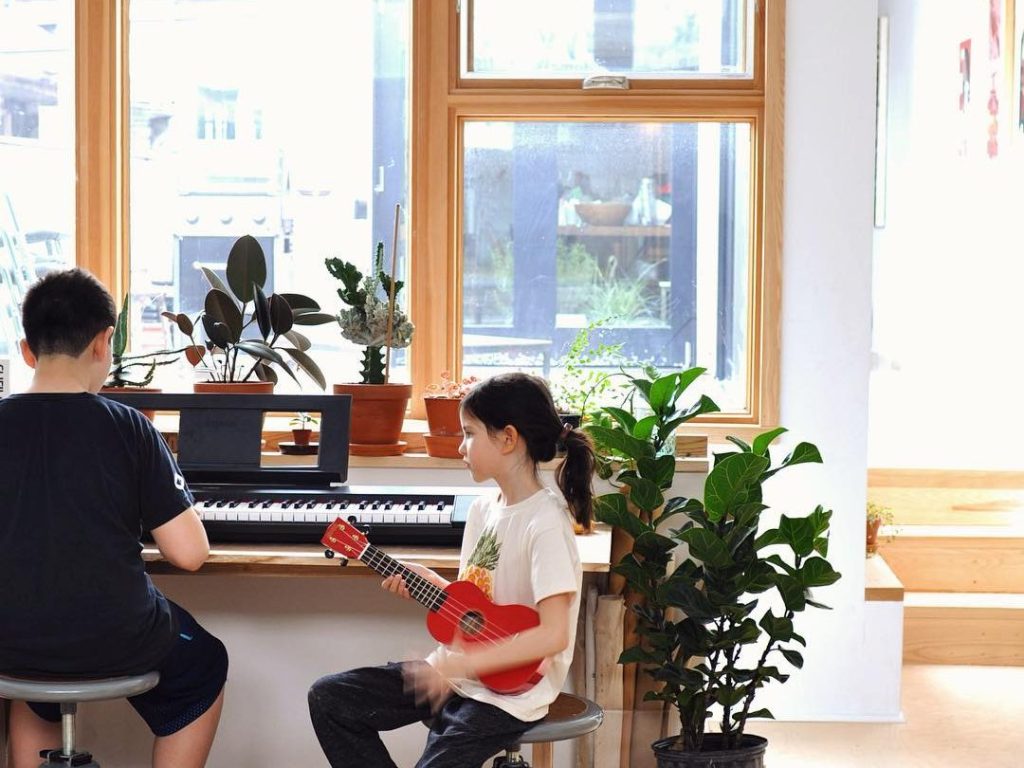
Over the years, we have worked on several shop houses. These mixed-use buildings allowed us to explore how the shop house typology might accommodate multiple programs, functions and daily activities.
Created for John Booth and Arounna Khounnoraj, a pair of makers/entrepreneurs, the bookhou shophouse exemplifies the integration of living, working and making.
bookhou was designed for a family of four and is located in downtown Toronto. The shophouse includes : retail, a textile studio, a painting/drawing studio, a woodworking workshop, a dwelling and an outdoor courtyard.
These maker spaces are integrated into daily life, with additional opportunities to host larger groups for hands-on textile workshops.
With their intricate layering and intermingling of spaces, bookhou and other live/work dwellings have contributed much to our way of thinking, ultimately forming part of the inspiration for our Canada Council Prix de Rome proposal. Our hope is that these spaces have provided small entrepreneurs a place to grow their families and businesses, an opportunity to plan and host events, and a venue to engage and connect with community.
shop house : mjolk
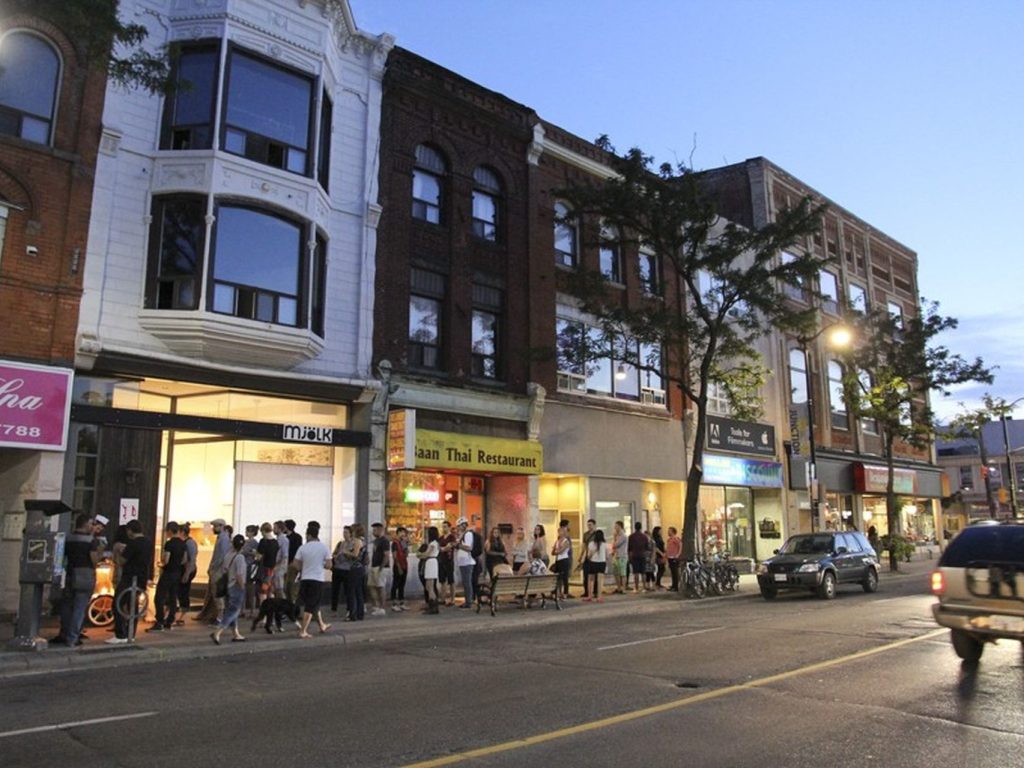
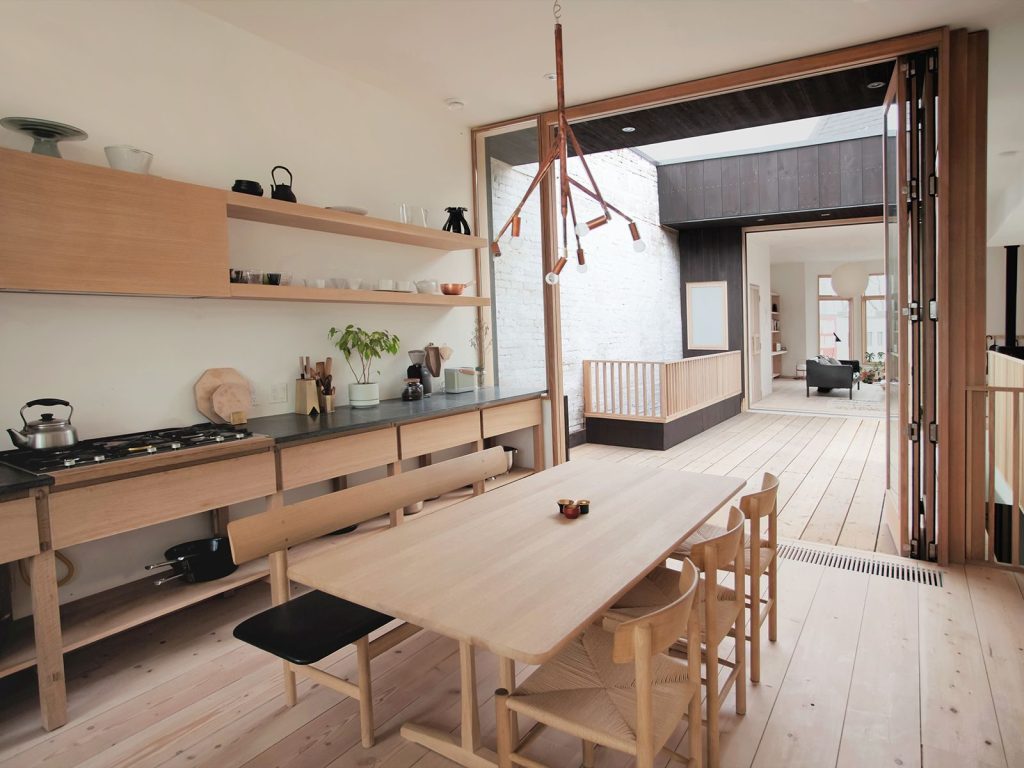
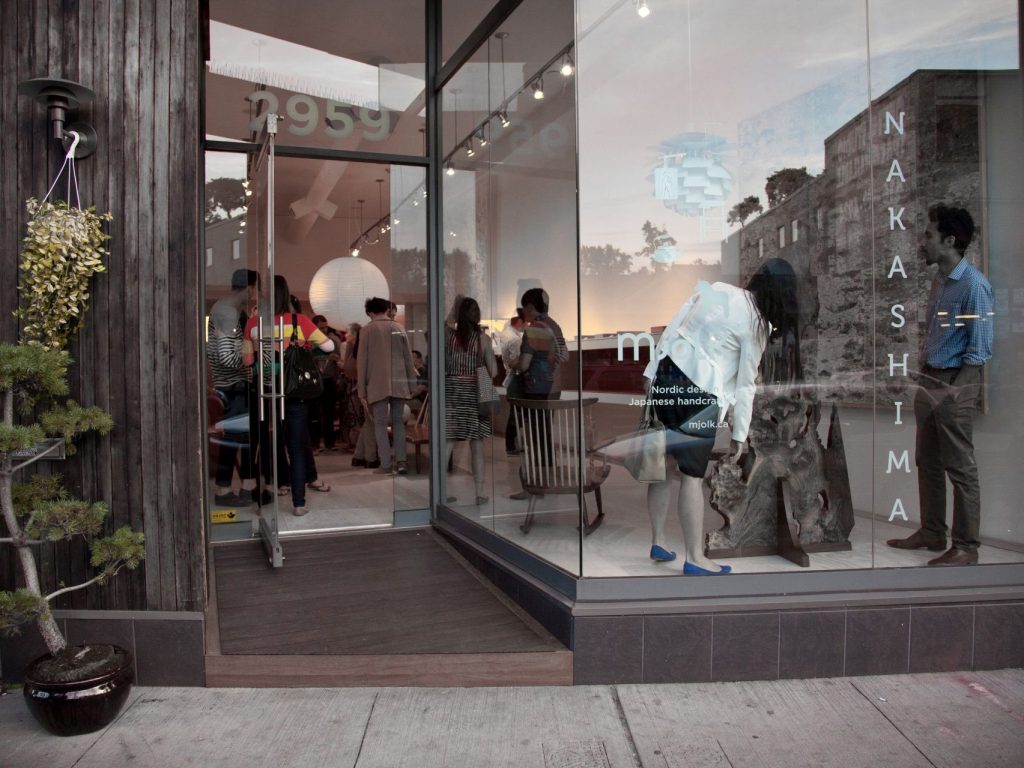


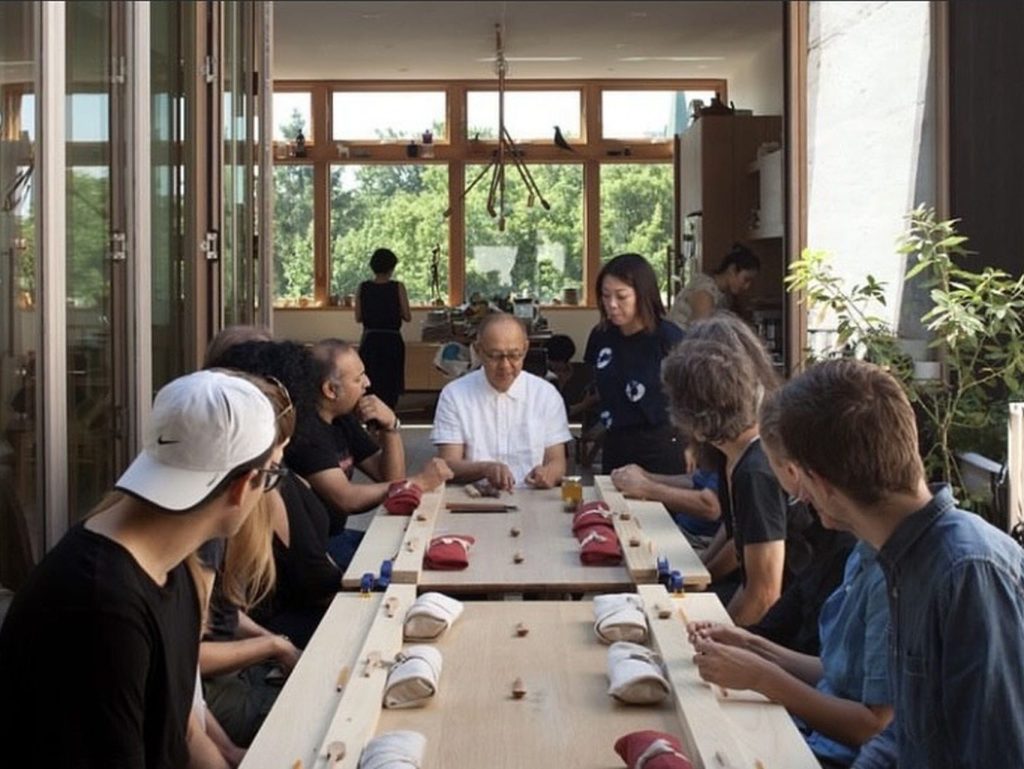
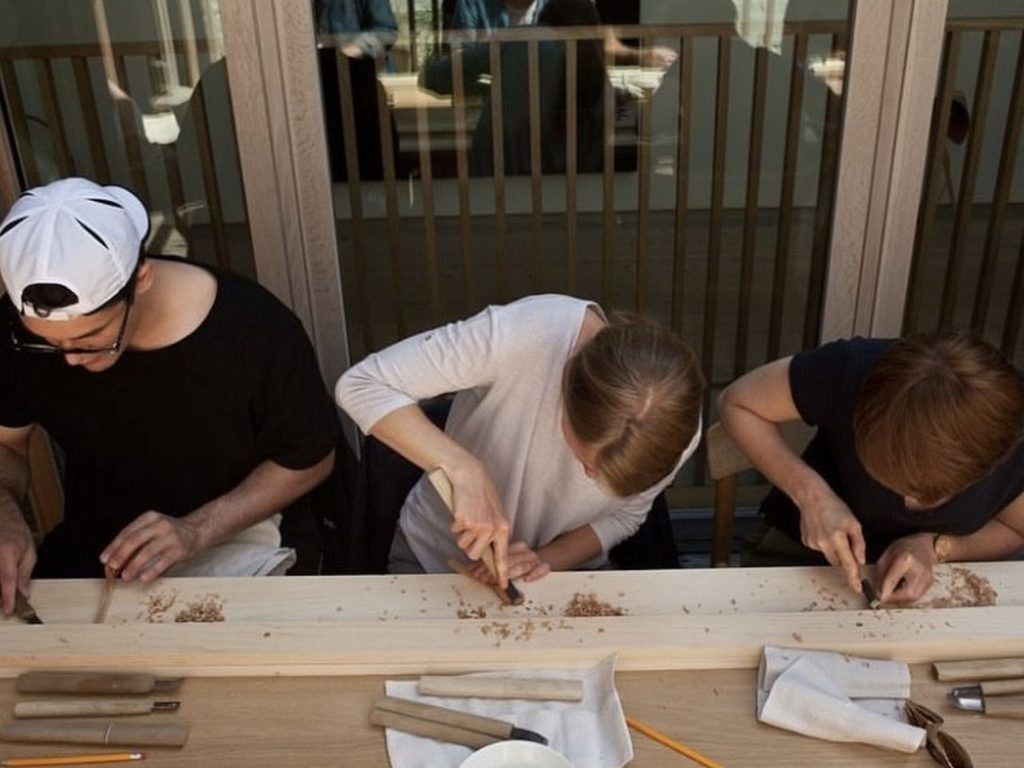
One of our defining projects is the Mjolk Shop House, a contemporary version of a traditional shop house. Created for John and Juli, the aim was to design and build an urban dwelling that could accommodate live and work under one roof.
Taking advantage of a mixed use zoning on a commercial main street, the Mjolk Shop House consists of :
1) a commercial ground floor : Mjolk is a design store and gallery that curates and showcases artisan makers and their wares
2) a residential second and third floor : a dwelling organized around an upper courtyard
The Mjolk Shop House has contributed to the revitalization of the Junction. Over the years, the physical environment of this live/work dwelling has played an important role in providing John and Juli a place to grow their family and business, an opportunity to plan and host events, and a venue to engage and connect with community.
The intertwining of live and work can be seen in the variety of events in which they participate or host, such as :
1) The Junction Art Crawl (2011)
2) An exhibition of George Nakashima and Nakashima Studio (2013)
3) A spoon carving workshop with Ruyji Mitani (2014) in the dwelling’s upper courtyard
 live | make | transform