
workshop house : part 1
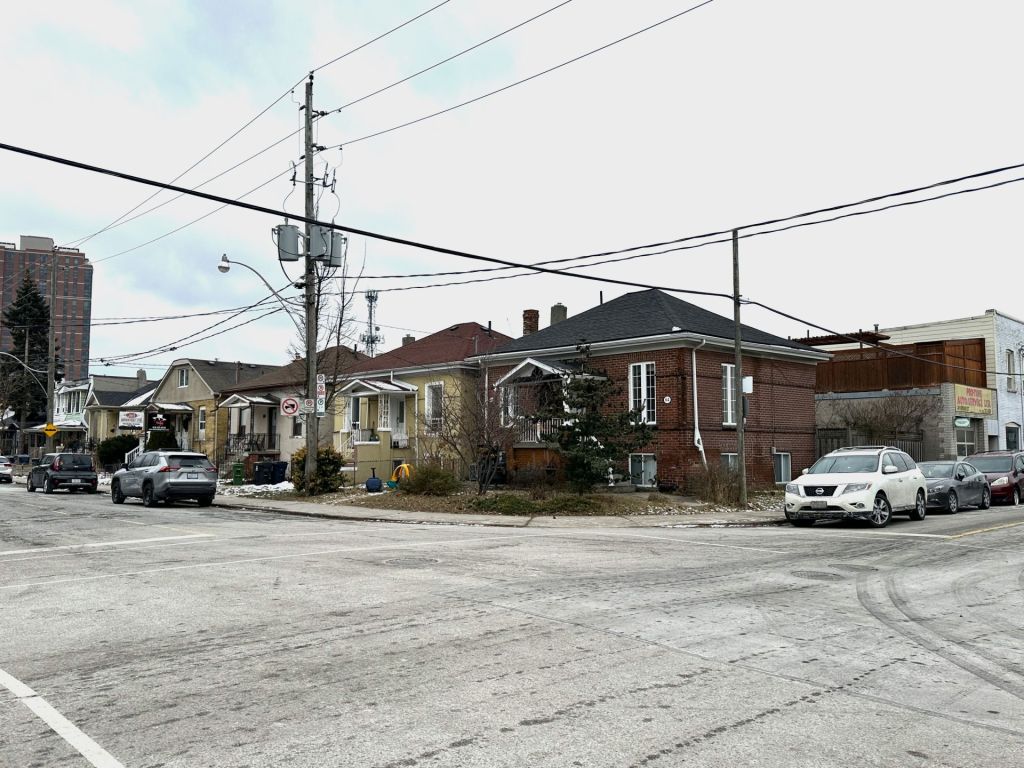
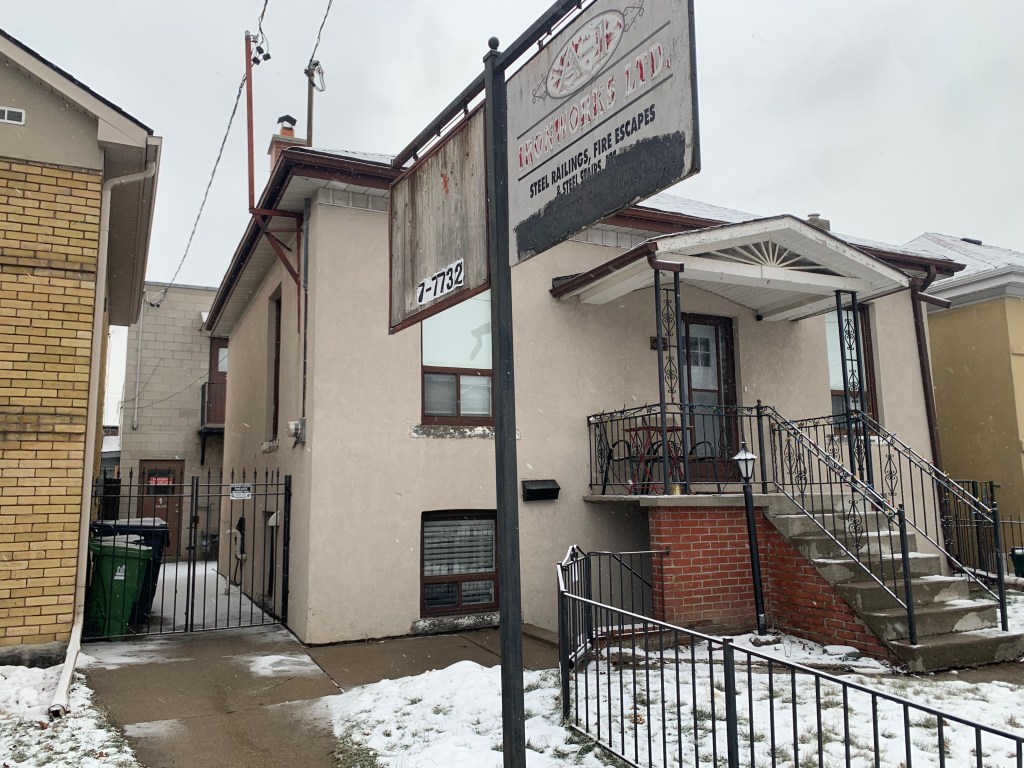
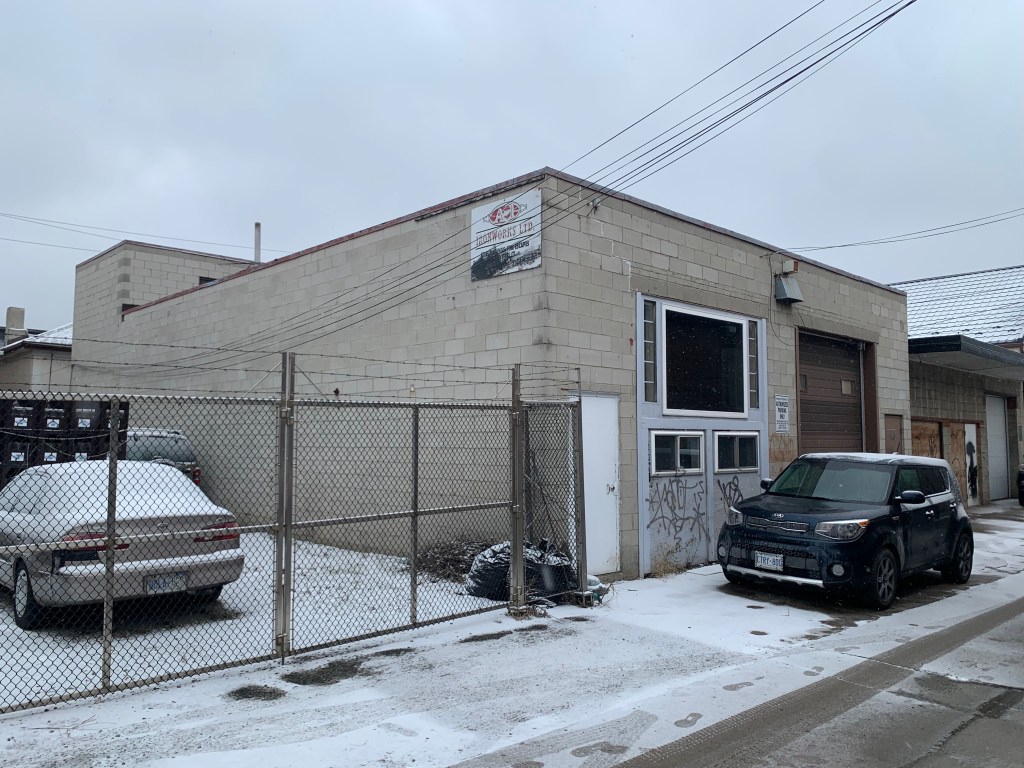
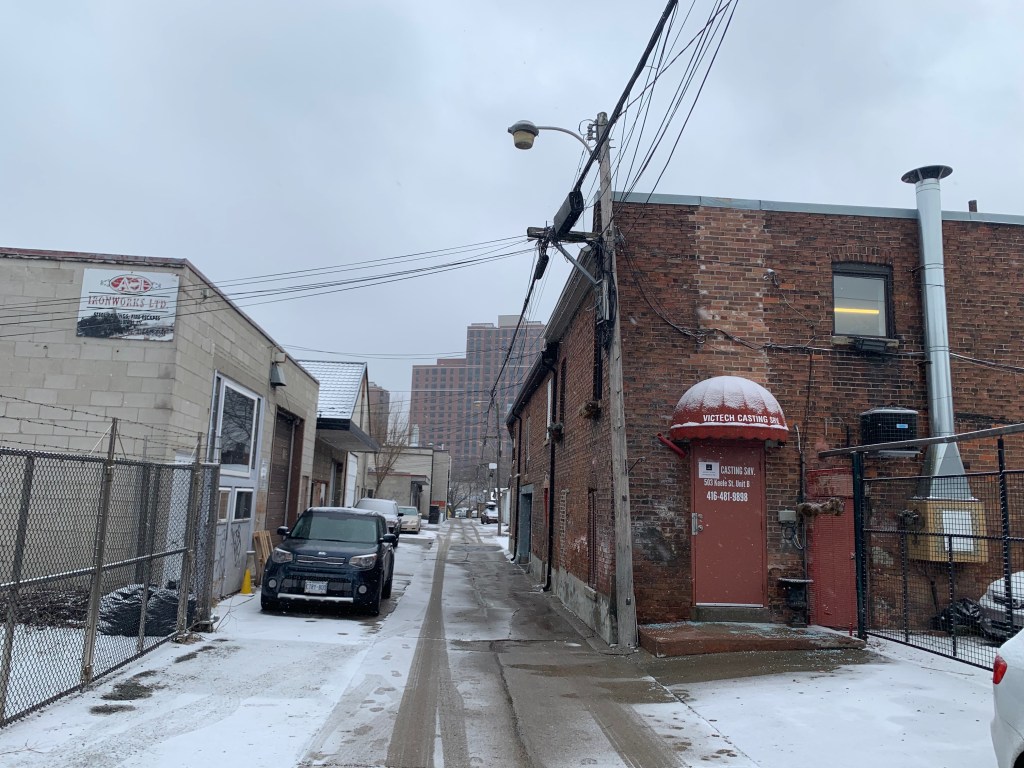
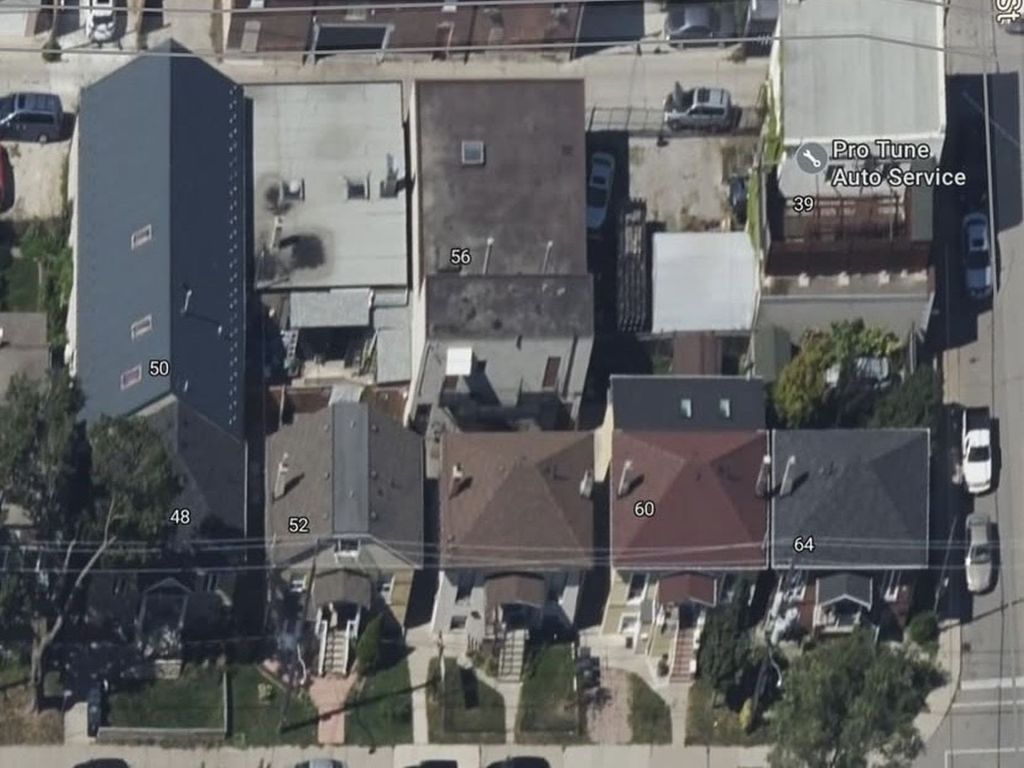
We live in the Junction, a neighborhood in Toronto with a long history of manufacturing. North American zoning separates residential and industrial, but there are official and unofficial attempts by small-scale makers to create a mixed-use, live/make solution with a dedicated work space.
The workshop house, a residence with a workshop in the rear, is a common sight in North American cities and towns. Makers tend to look first to their dwellings for additional workspace. Basements and garages are often the first foray into a dedicated workspace, as they are convenient and perceived as affordable. However, these retrofitted domestic spaces are not always ideal, due to noise, dust, fumes, and accessibility limitations.
The bungalows shown are close to employment lands and zoned residential with non-conforming use. Although considered a modest footprint for small-scale manufacturing, the workshop takes all available green space in the rear yard.
In Toronto, this type of mixed-use zoning is on a case-by-case basis and is essentially unresolved. In a workshop house, structures are not coherently planned, and there are limited attempts to explore an integration of residential and industrial forms.
workshop house : part 2
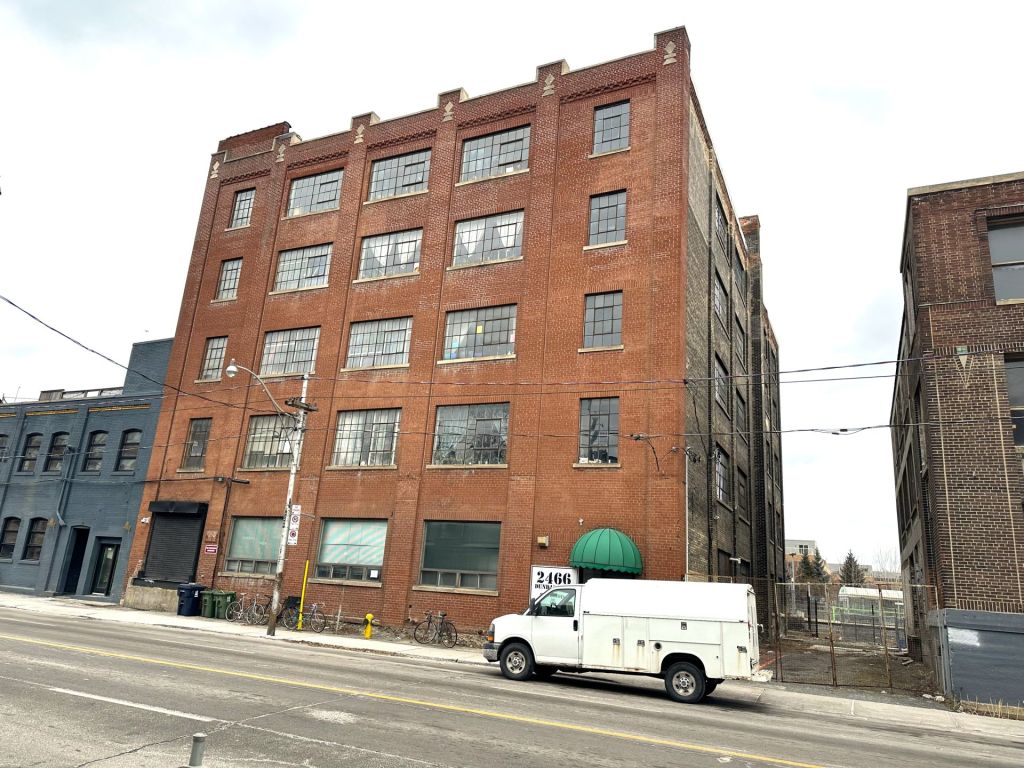
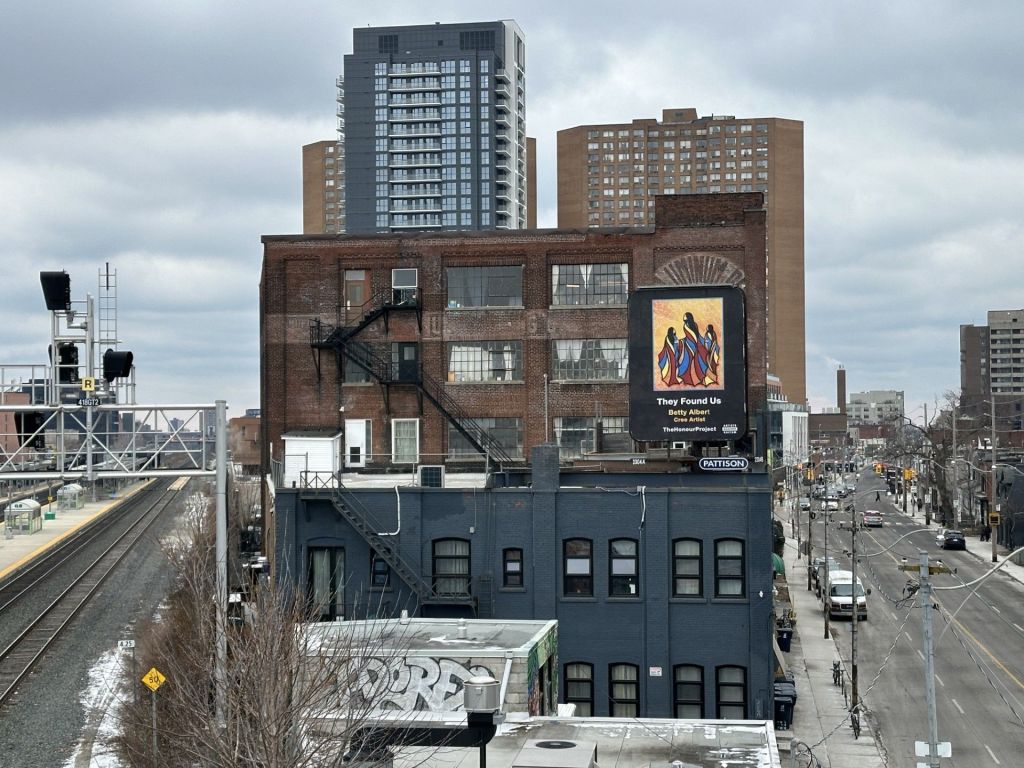

The Junction is a mixed-use industrial neighborhood in Toronto. Like many other cities in North America, the decline of manufacturing has led to the abandonment and re-purposing of industrial buildings. Often taken over by artists and small-scale makers, these warehouse spaces are another example of an official or unofficial workshop house, i.e. a work space with a residence.
These re-purposed manufacturing spaces can be a successful experiment in mixed-use and live/make. Warehouse structures are hard-wearing, as they were originally built to support heavy machinery. They offer high ceilings, an abundance of natural light, large open spans, potentially cheaper rent, and a diverse and vibrant community.
However, workshop house spaces that are zoned industrial were never intended to be inhabited for residential use. They exist in a limbo of created mixed-use, rather than legal mixed-use.
A large percentage of these re-purposed industrial lofts have substandard living conditions : flimsy and convoluted partitioning, no real washrooms in the units, poor sound and heat insulation, and questionable fire safety. Frequently located near railway tracks with minimal setbacks, these industrial buildings are also subject to noise and vibrations.
In the 1980s and 90s, these warehouse spaces seemed plentiful as they hosted multiple exhibitions, open houses and gatherings. But there has always been a precariousness to living in a building legally zoned industrial.
 live | make | transform