
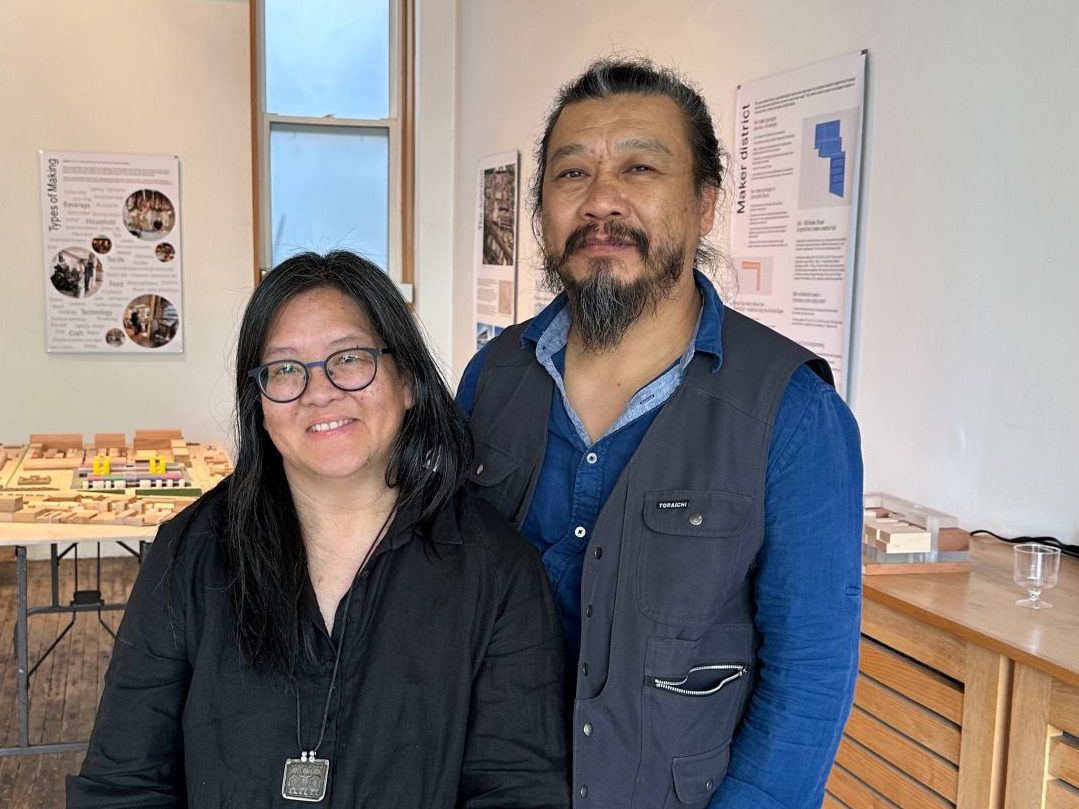
photo : john booth
Studio Junction inc. is a Toronto architectural practice, established by Peter Tan and Christine Ho Ping Kong in 2004.
Our multi-faceted practice is part design studio, woodworking shop, and build crew. We alternate between the larger scale of building and the smaller scale of furniture, and our interests include dense urban spaces, collaborative explorations with the arts, and the craft of making.
From the Canada Council of the Arts, we have been awarded the Ronald J. Thom Award (2016) and the Prix de Rome in Architecture (2023)
our story
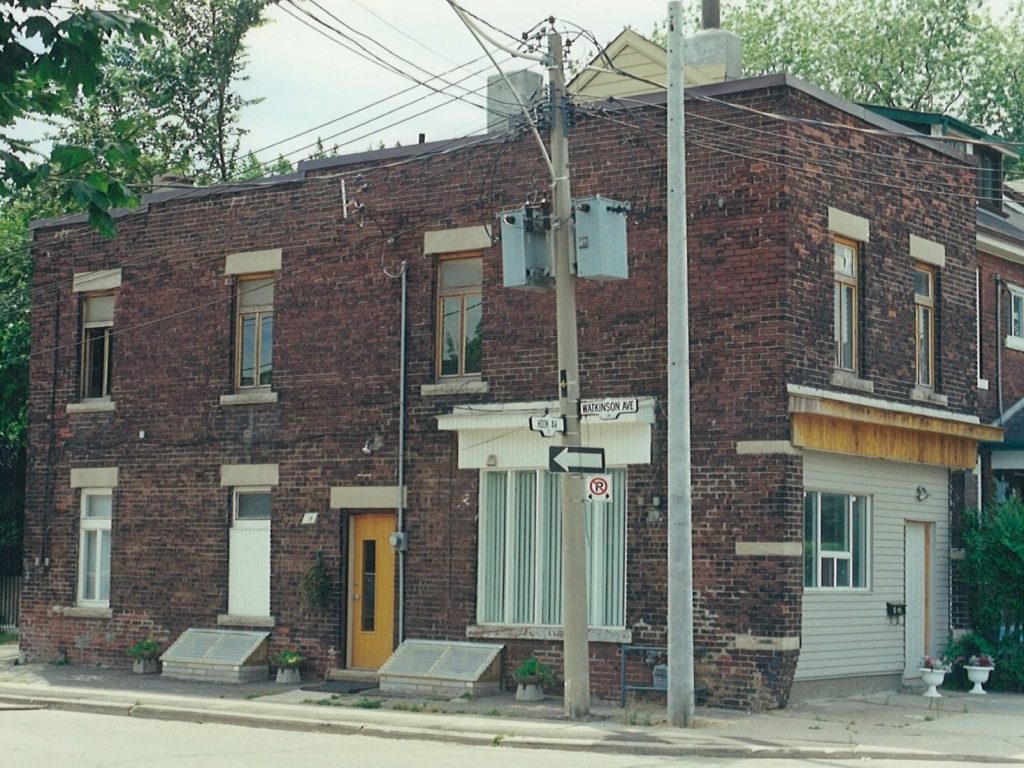
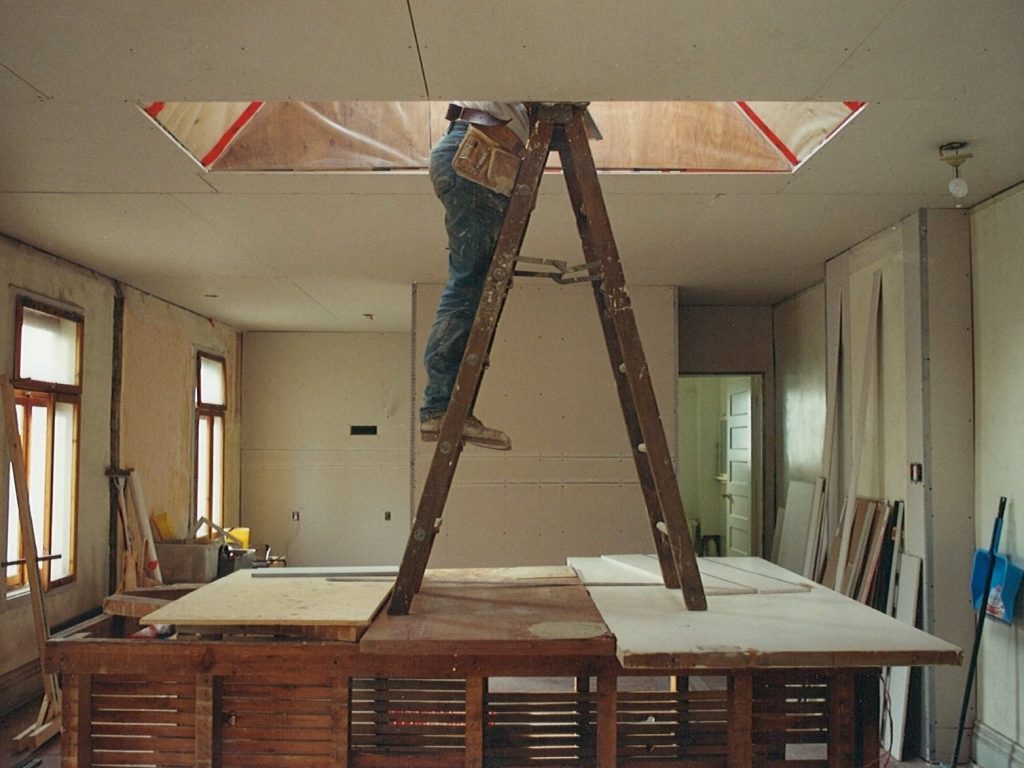
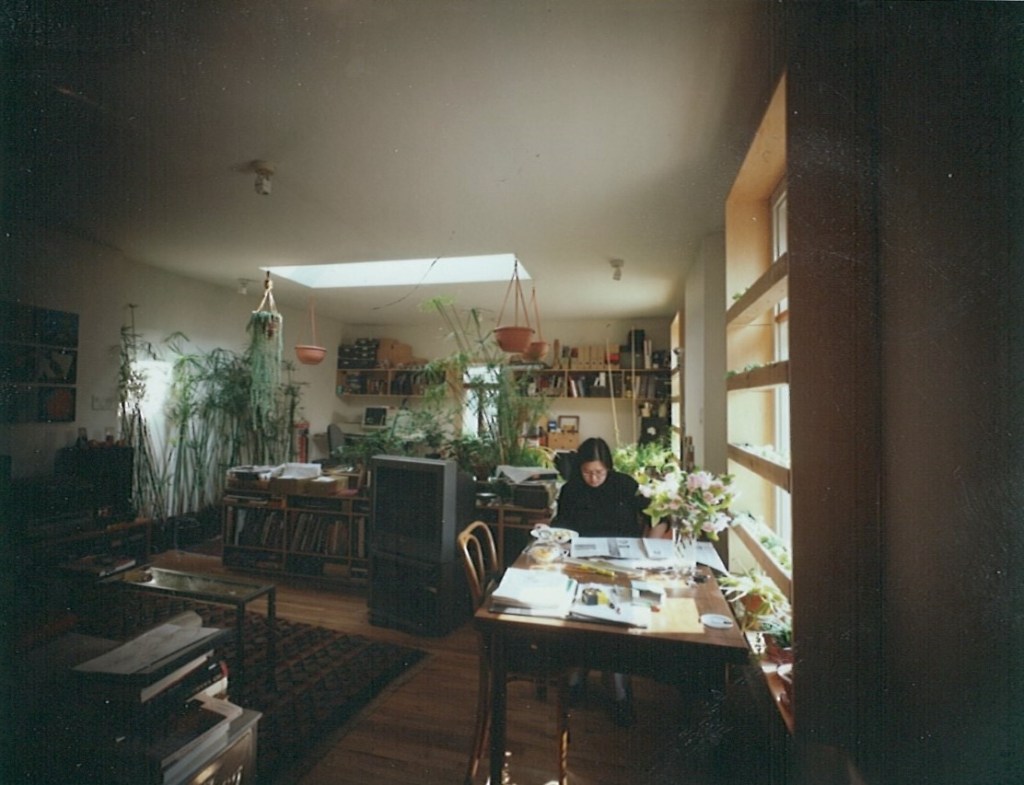
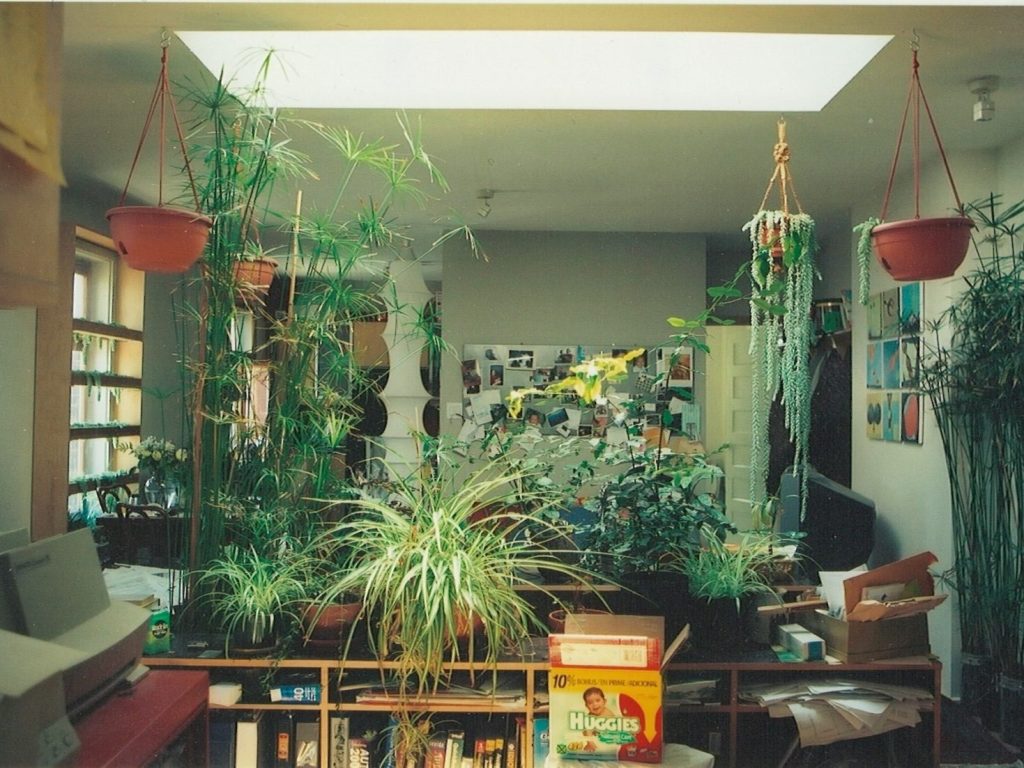
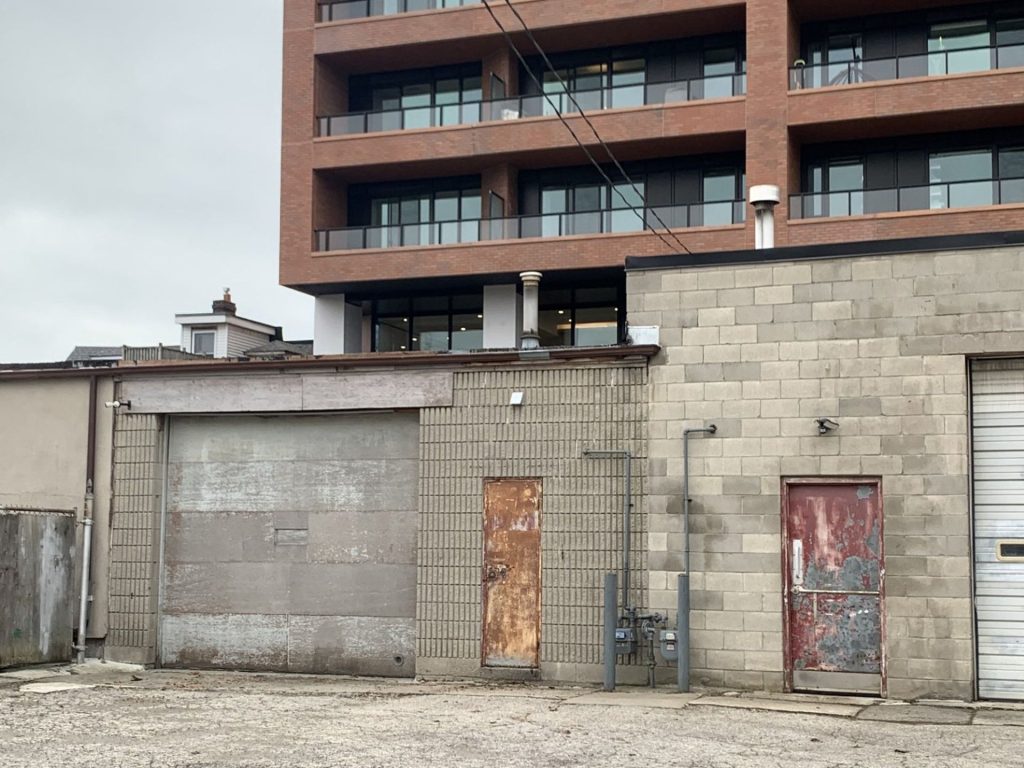

We would like to discuss live/make zoning, entrepreneurship and building on the smallest of opportunities by telling our personal story.
We graduated from Architecture at the University of Toronto in 1996 and, shortly after, moved to The Junction — a neighbourhood which had faced decades of hardship.
The Junction’s defining features are its two railway lines and the industries hugging the railroad corridor. This has informed The Junction’s organizing logic, with residential, commercial and industrial zoning in a compact area. In 1998, The Junction was plagued with unemployment, fading industries and struggling Main Street businesses. The specific conditions created through residential abuttal of railways and industries seemed unattractive to some, but for us, it offered opportunities.
Our first design build project was a do-it-yourself renovation — transforming a parent’s property that had been a neglected rooming house. With the help of friends during construction, we made it our home. We acquired new skills in both the doing and the making of mistakes.
These were modest beginnings. Our first workshop was located just six buildings down from our home. This 700 sq ft industrial space initially produced millwork for other design firms, then eventually for us. The first office for our emerging architectural studio was in our 600 sq ft apartment.
our story : part 2

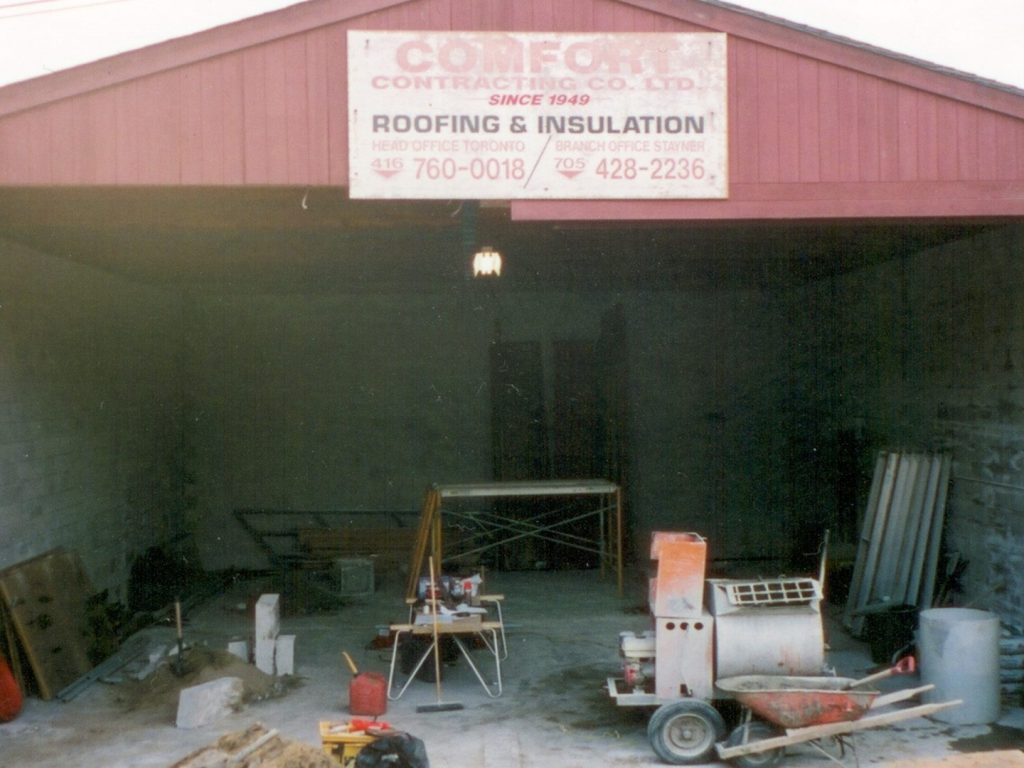

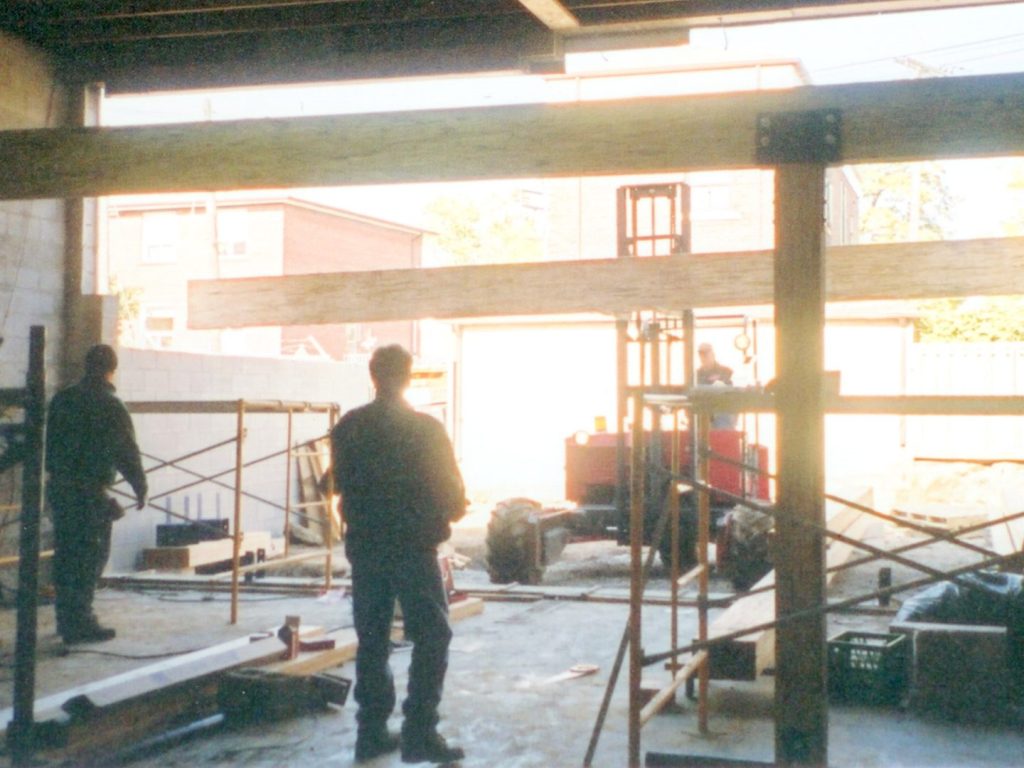
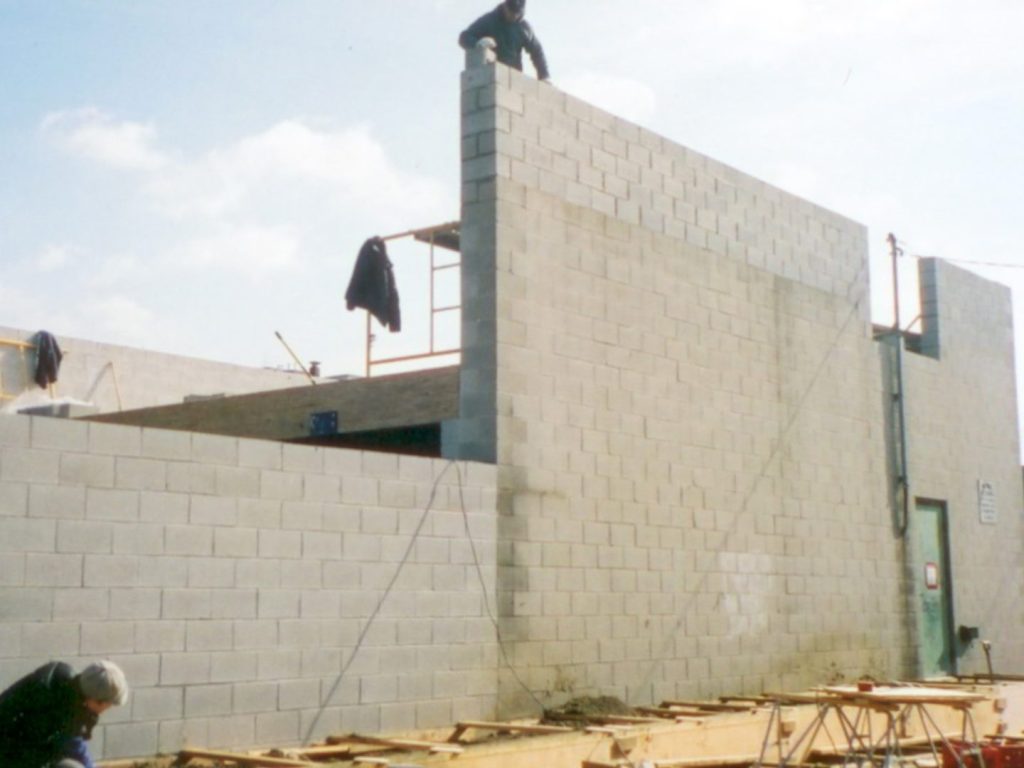
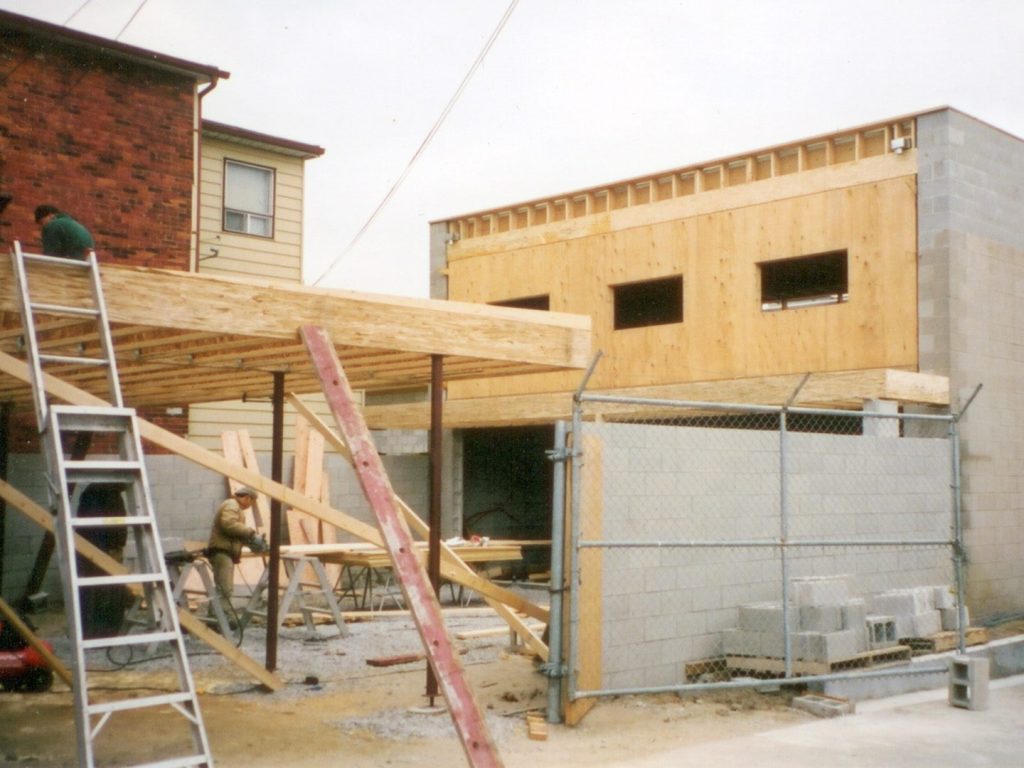
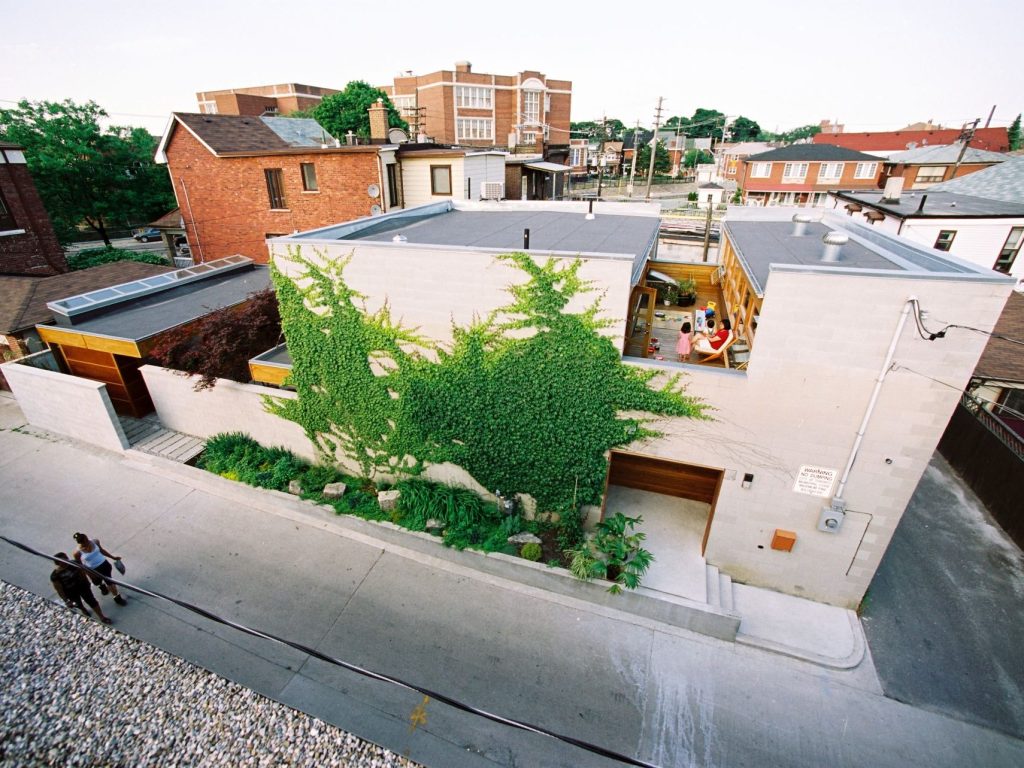
The early years were both incredibly rewarding and incredibly difficult. We aimed to start and grow a design studio and woodworking workshop, all while raising two children. Added to the mix, we had ambitions to design and build our Courtyard House — a live/work dwelling consisting of our home, our office and a spillover space for our messy activities.
It was a challenging process as we juggled deadlines for design projects and workshop projects, while still carving out time to construct our own house. We were young enough to be optimistic and resilient enough to overcome delays and financial setbacks. The confidence to undertake our next step, designing and building our future home, came from learning from many small opportunities.
The current lack of small-scale maker spaces (workshops) in North America limits entrepreneurial growth. Our Canada Council research project explores live/make spaces and maker districts and how they transform neighbourhoods. This topic resonates greatly with us as we come from a place of personal experience. We know what it is like to put down roots in an economically depressed neighbourhood and hope that the area improves. And we understand how beneficial it is to have small, affordable spaces for both live and work, in close proximity, as you grow your family and business.
 live | make | transform