
Category: travels
-
In Toronto, the powers that be do not fully embrace pedestrian-oriented streets. While it might be considered good for a weekend event, there are always factions that complain about lack of car access. North American cities were planned for automobiles. When car access becomes limited, some believe that you are taking a right away. This…
-
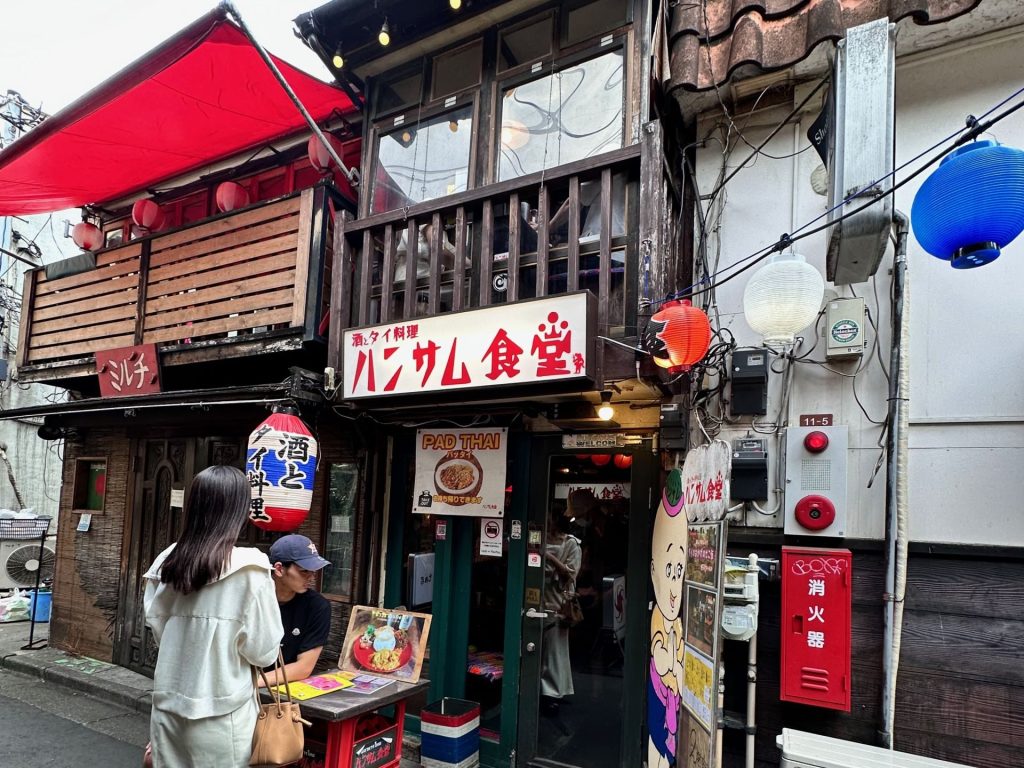
Tokyo was devastated post-WWII, and the government, private developers, and planning and transportation departments were unable to fund such an extensive urban reconstruction. Displaced residents, squatters and small-scale entrepreneurs banded together for survival, carving out places for their homes and livelihoods. Yanagi Koji (Willow Alley) in Nishi-Ogikubo, Tokyo is one such organically-formed neighborhood. Lined with…
-
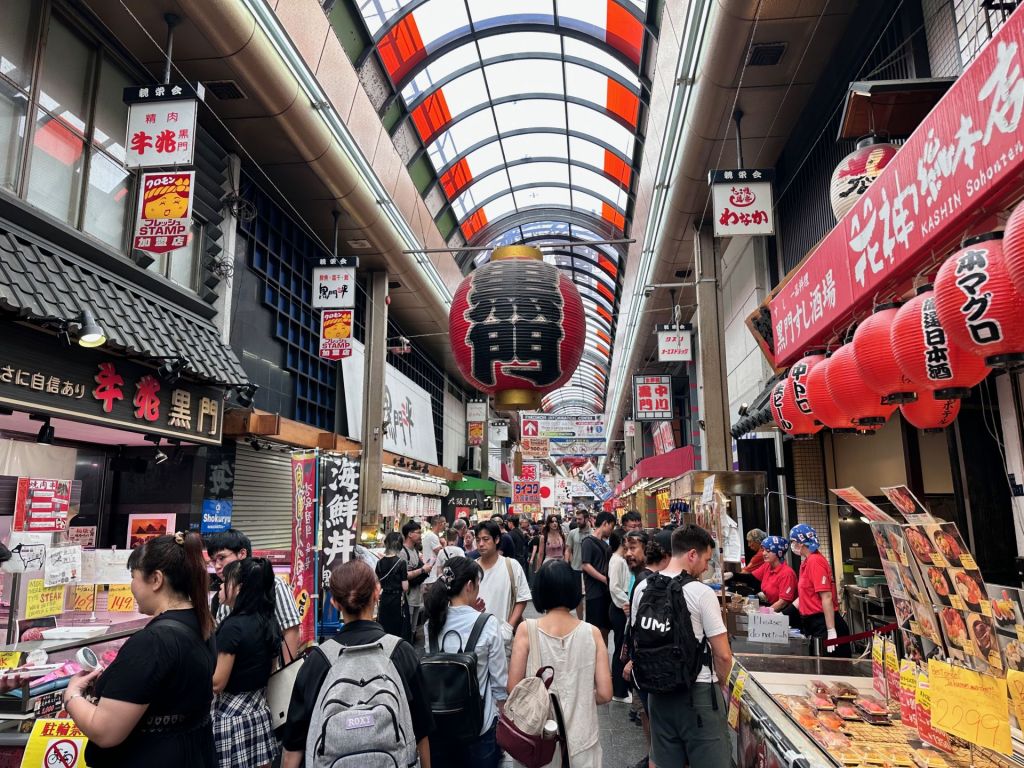
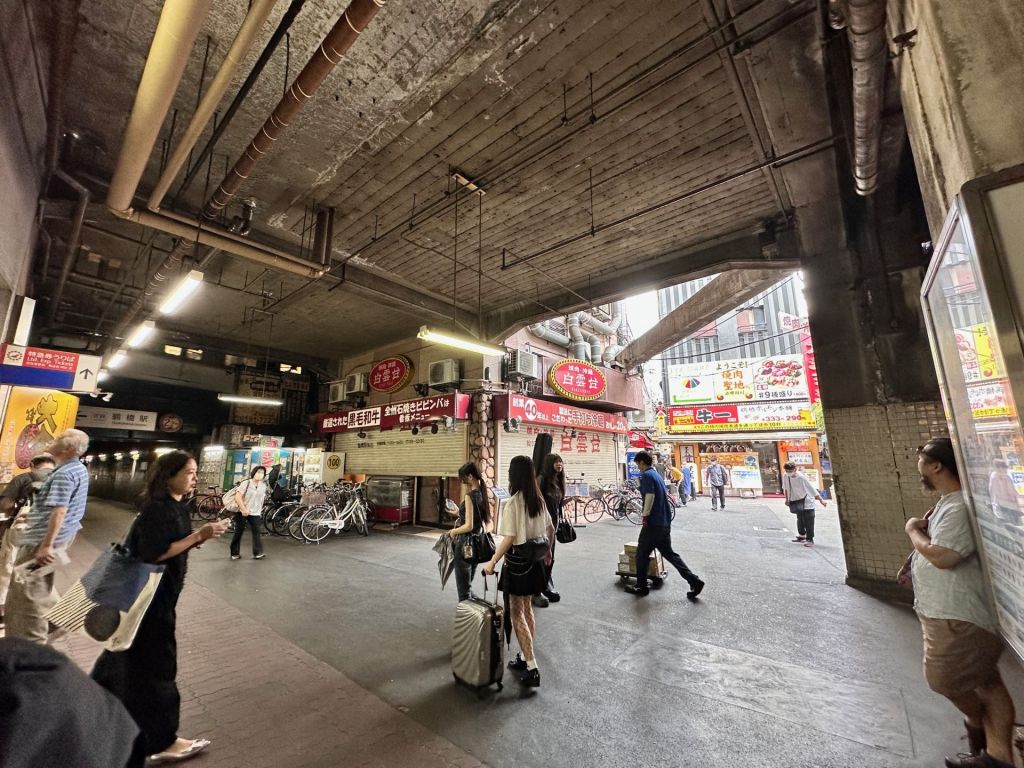
Japan has a wide variety of pedestrian-oriented streets. This stems from the urban growth of many centuries, with cities and towns that predate the automobile. Located near the intersection of two train stations and tucked behind four-way roadways, Tsuruhashi (Osaka) is the largest Koreatown in Japan. Many residents are third and fourth-generation Koreans, born in…
-
NDSM (Nederlandsche Dok en Scheepsbouw Maatschappij) was one of the largest shipbuilding and repair companies in Europe. In NDSM, in the massive hanger called the Scheepsbouwloods, thousands of parts were fabricated for freighters, oil tankers and luxury passenger ships. When NDSM and its supporting industries closed in 1984, the surrounding neighborhoods underwent a time of…

-
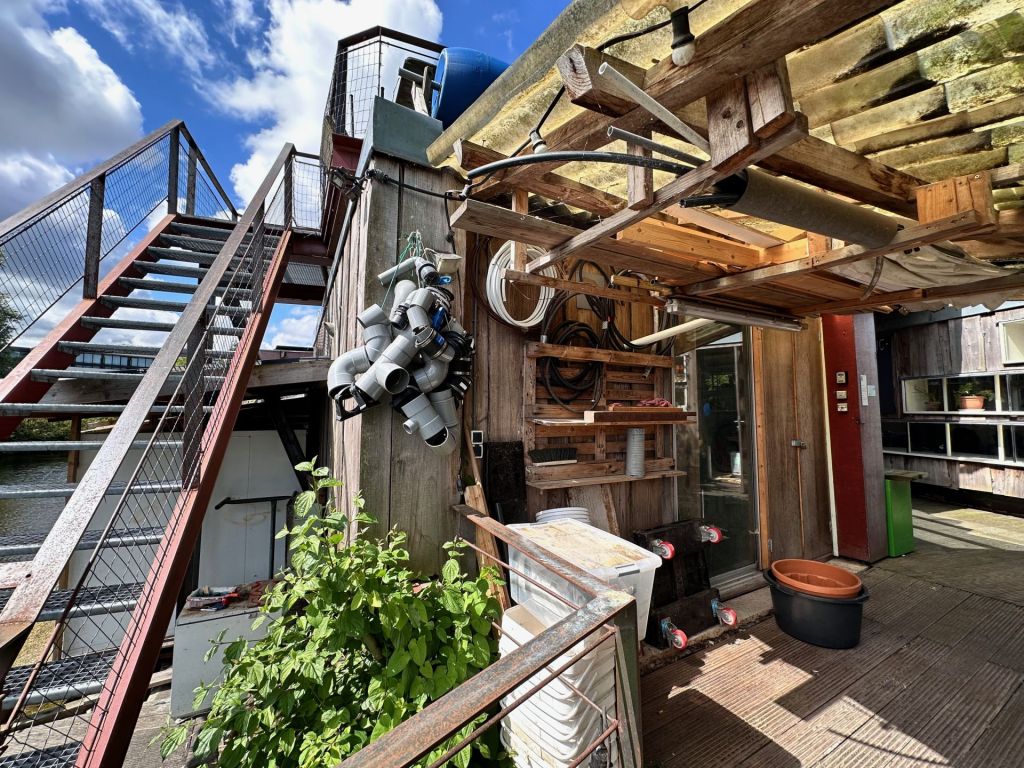
Once a great seafaring nation, when the shipbuilding industries declined, the Netherlands were left with large swathes of industrial land, abandoned factories and warehouses. In Amsterdam, much of this old industrial land has been sold off for housing. However, there are some motions for exploration and investigation on previous manufacturing land. We went to Amsterdam…
-
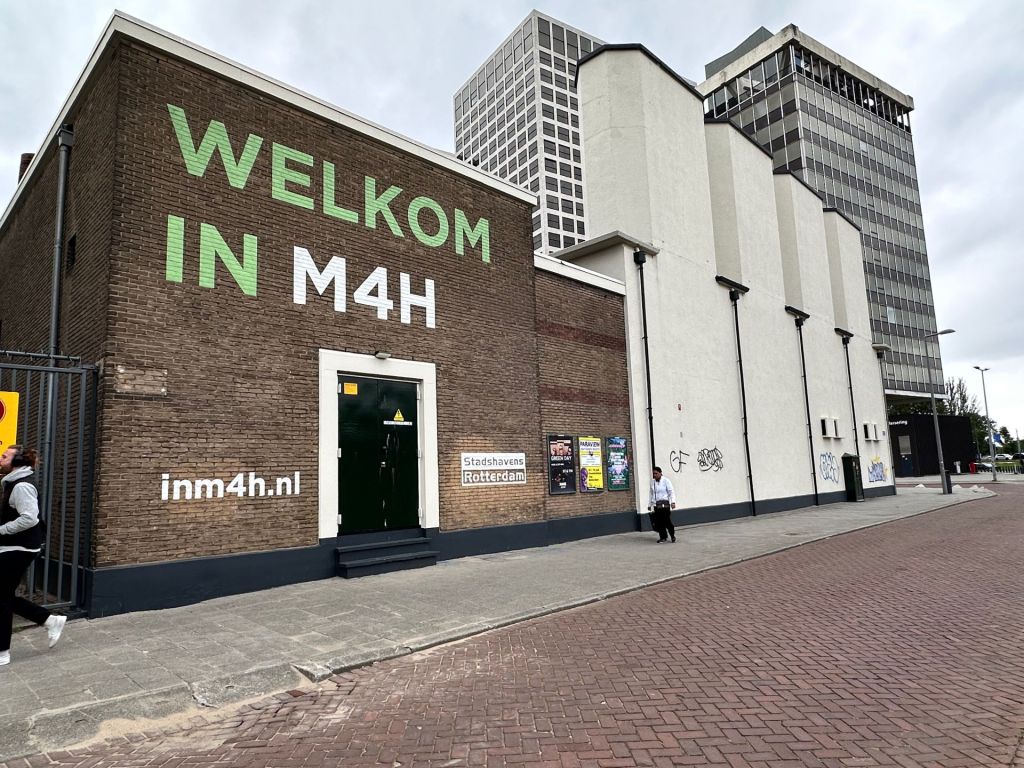
The Netherlands is a small, resilient country with a willingness to dream big. Geographically low compared to sea level, over the centuries the Netherlands have reclaimed land from the North Sea and implemented a system of water management with canals, dikes and sea barriers. The Port of Rotterdam is one of the busiest ports in…
-
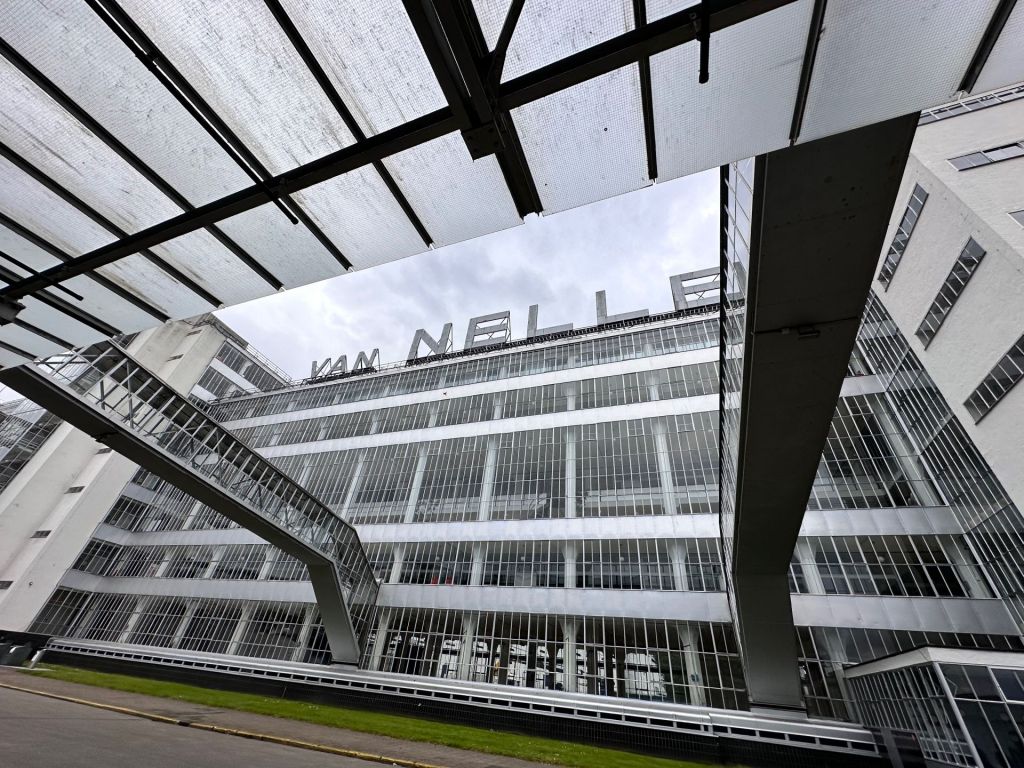
The Van Nellefabriek is considered an icon of 20th century industrial architecture. The Van Nelle Factory (1931) embodies the spirit of the interwar period in Europe, reflecting a sense of progress and optimism with new technology, materials, and pathways of exploration. Located in Rotterdam, home of one of the busiest ports in Europe, the Van…
-
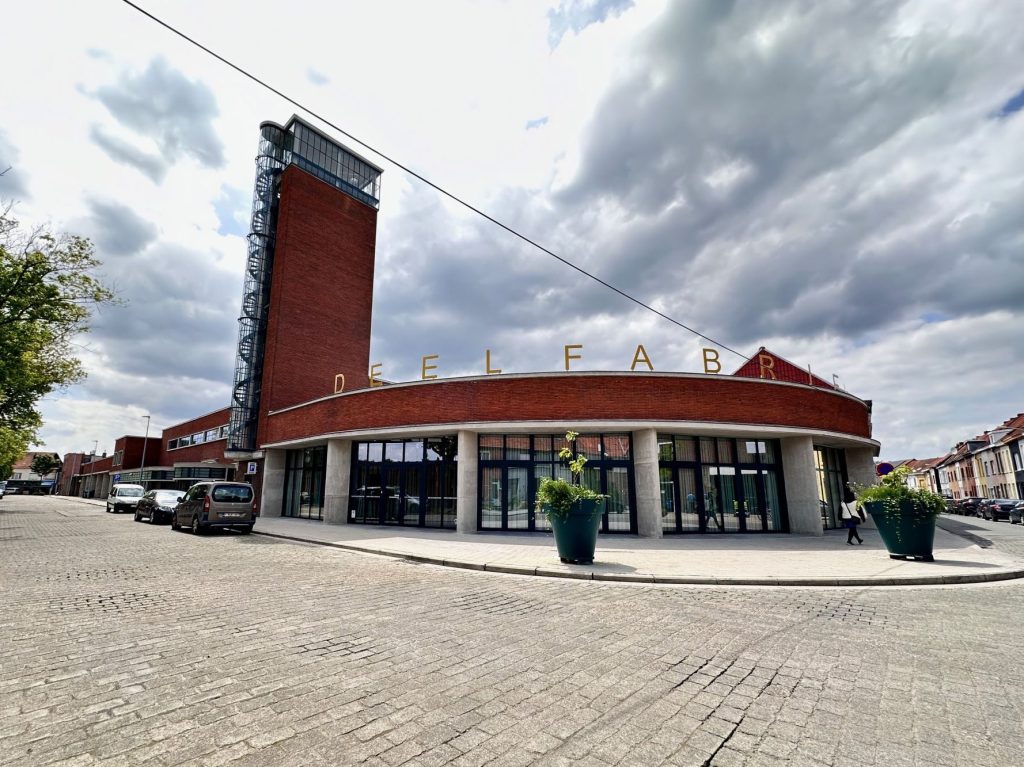
deelfabriek : part 1 From medieval times to the early 20th century, Kortrijk was the flax capital of Belgium. The slowing of the textile industry and its surrounding trades saw Kortrijk follow suit, undergoing a period of economic decline. We wanted to visit Deelfabriek, an old fire station that was repurposed into a community hub…
-
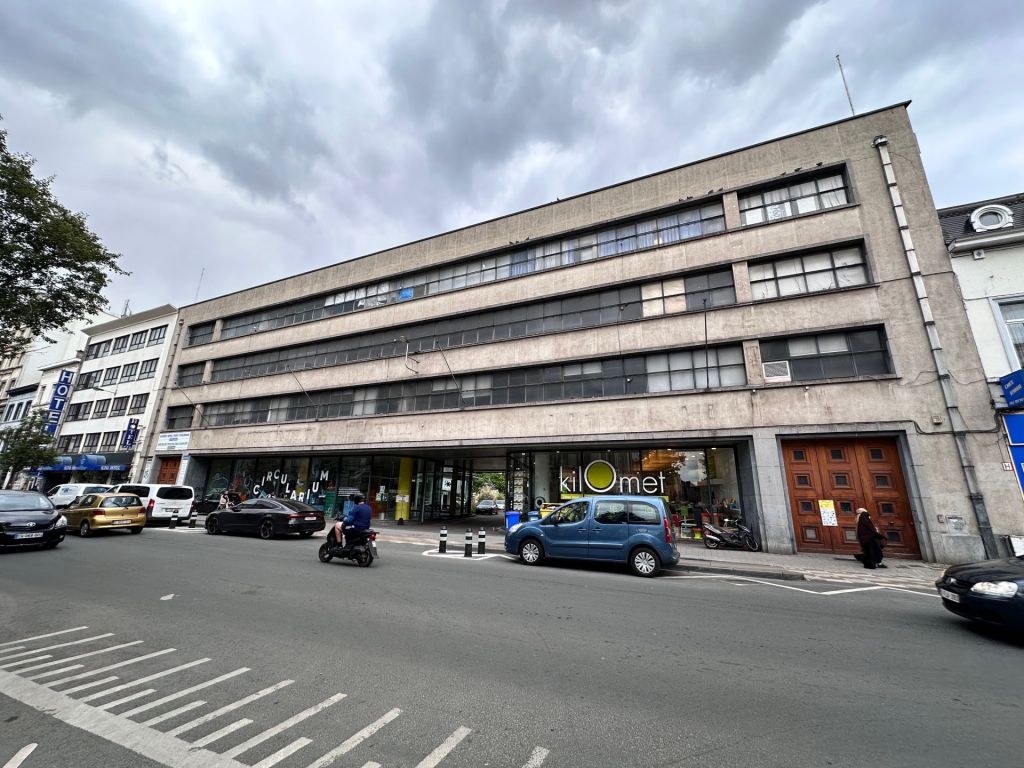
circularium : part 1 Brussels was one of Belgium’s manufacturing powerhouses in the 19th and early 20th century. Like Ghent, factories and warehouses were set amidst the residential neighborhoods, with worker housing, single family homes and low rise apartments. We wanted to visit Circularium, located in a gritty, vibrant, yet economically depressed area near Brussels’…
-
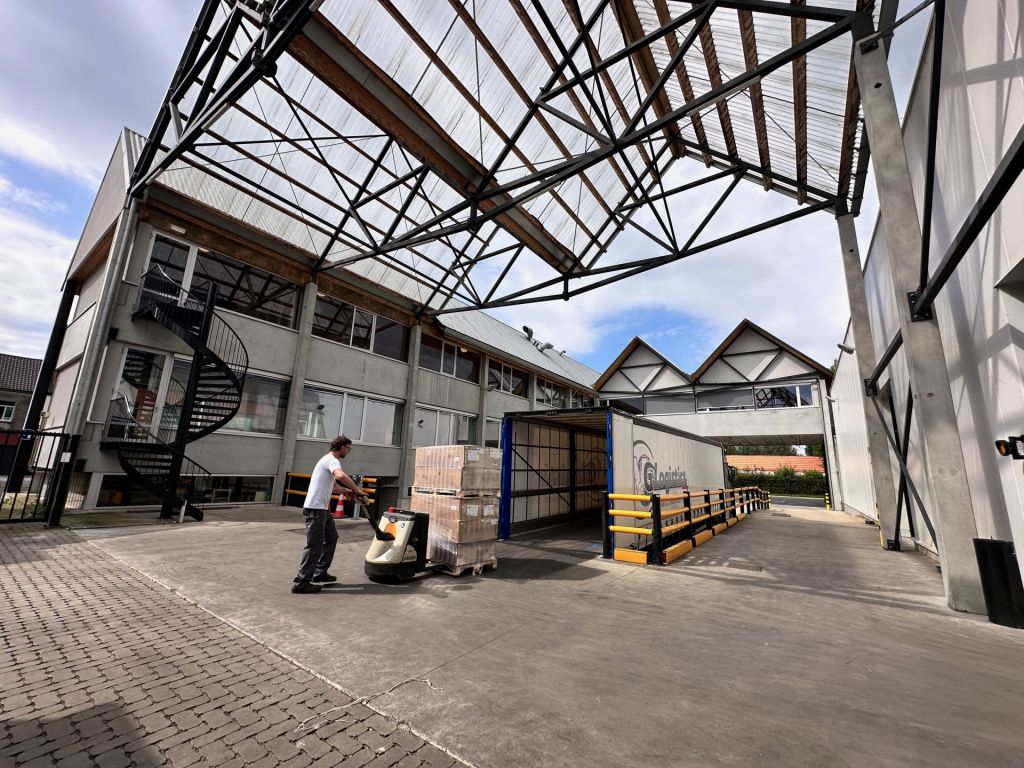
We visited Ryhove, a contemporary factory located in the suburbs of Ghent. Ryhove is a non-profit organization which focuses on lean manufacturing, not heavy industry. They offer a multitude of services including assembly, food assembly, printing, book binding, packaging and logistics. Ryhove’s operations had expanded multiple times, but their physical environment remained very inefficient. Management…
 live | make | transform