
Category: travels
-
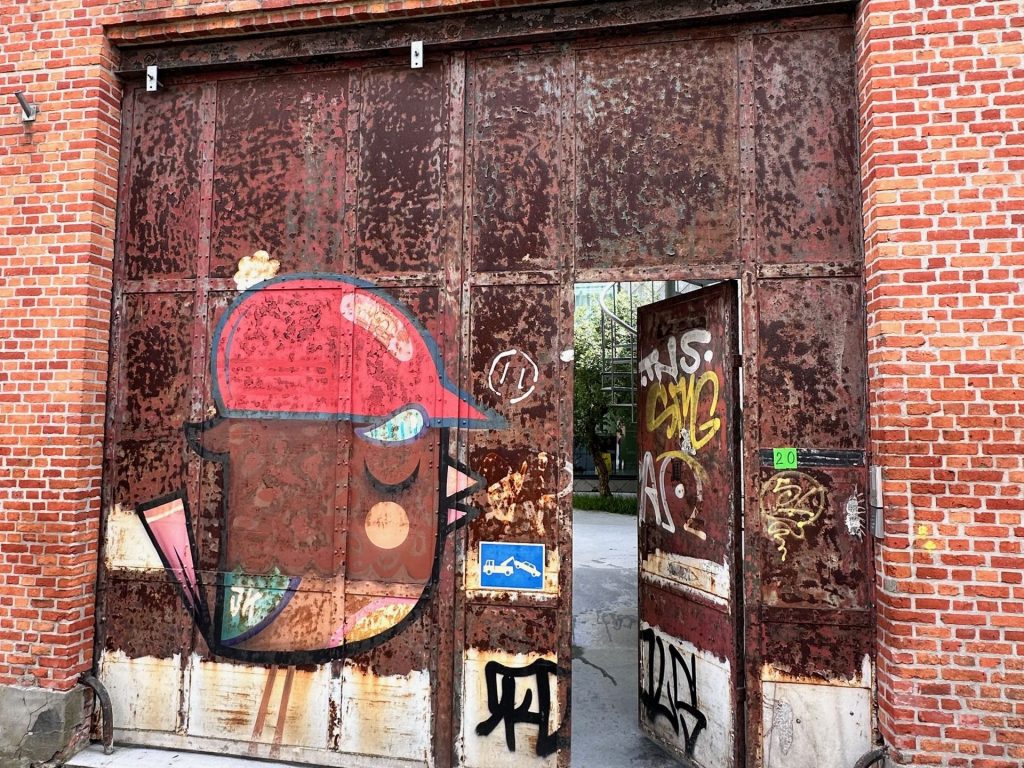
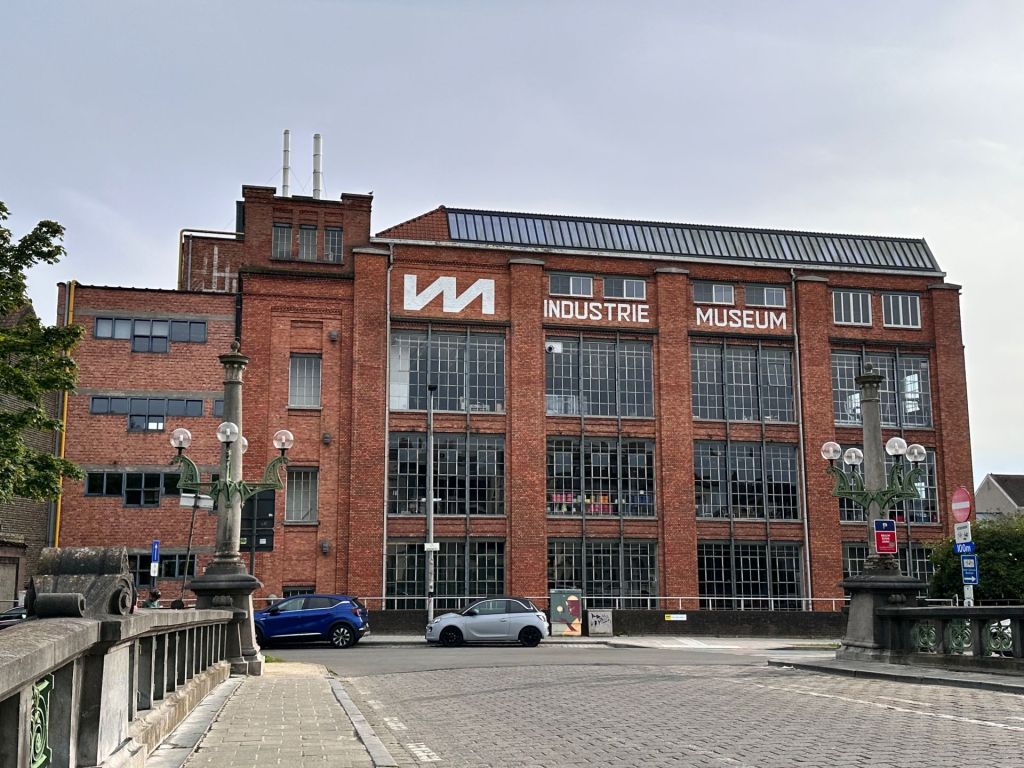
ham : part 1 In Ham, a district northeast of Ghent’s city center, there are several city blocks composed of residential and industrial buildings. This mixture is quite different from examples of city blocks in a separated North American zoning. From the Middle Ages onwards, Ghent’s cityscapes were dotted with small urban workshops that supported…
-
Since the Middle Ages, Ghent had prospered due to the textile industry. The manufacturing of cloth and its resulting trade was supported by many small urban workshops. In the 18th and 19th centuries, Ghent’s textile industry underwent industrialization, with the introduction of mechanical innovations such as the Mule Jenny (a large spinning machine) and the…
-
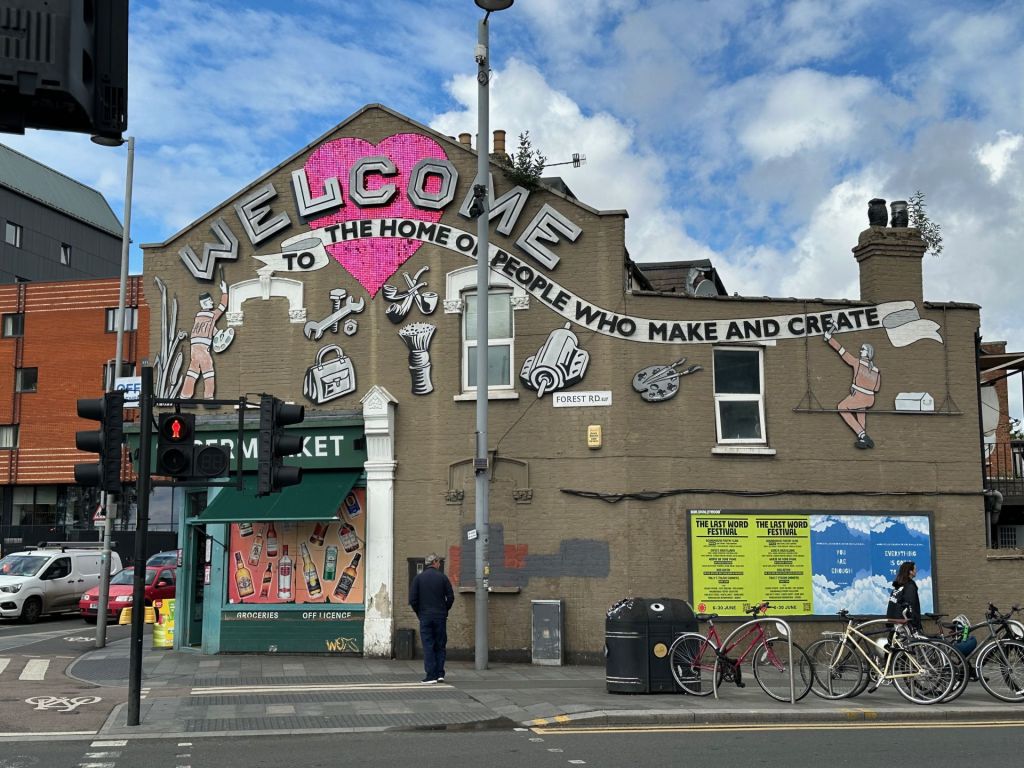
blackhorse lane : part 1 Blackhorse Lane (BL) was not on our radar during preliminary research, but it was mentioned by other makers during our site visits. Located in Waltham Forest in North East London, Blackhorse Lane was identified as an underserved area in need of infrastructure and improvement. Recognized for its industrial heritage and…
-
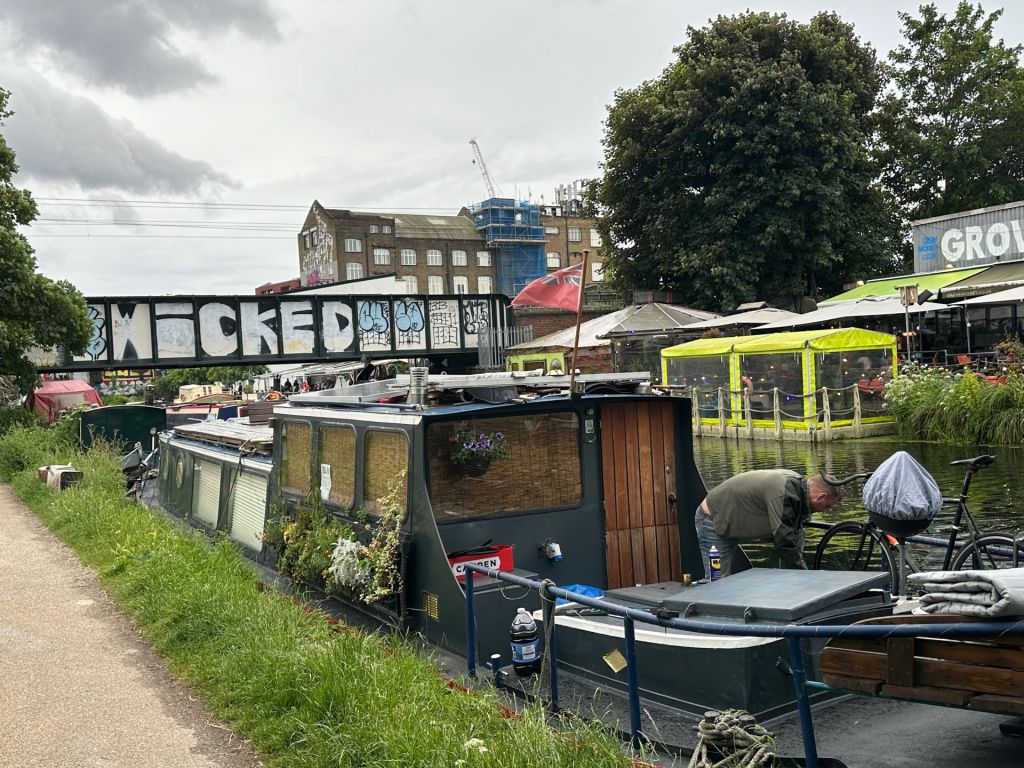
hackney wick : part 1 During the 19th and early 20th century, Hackney Wick was a bustling industrial town. It manufactured many diverse products, such as silk, confectionary sweets, paper, and dry cleaning products. When the industries declined, Hackney Wick was left with a toxic canal and many abandoned and decrepit factory buildings. As happens…
-
poplar works : part 1 Whenever we choose and visit a site, we ask the questions : 1) Who is this for? 2) Who conceived it? 3) Who funded it? Located in Tower Hamlets, an underserved neighborhood in East London, Poplar Works is a purpose-built complex of workshops and small maker spaces. Poplar Works is…

-
Between Spitalfields and Brick Lane lie a series of blocks of 18th-century weaver houses. These live/make dwellings were originally owned by the Huguenots (Protestants fleeing religious persecution in France). Thousands brought their silk-weaving skills and trade, settled in East London, and formed weaver communities. On Fournier Street you can easily see the defining live/make attic…

-
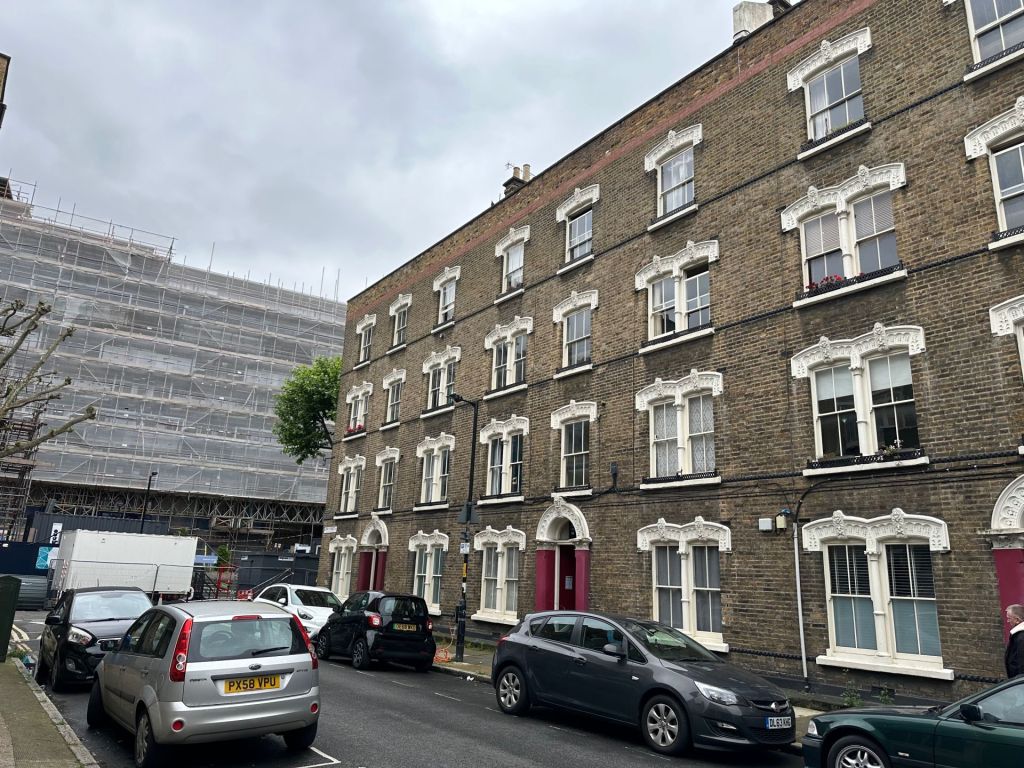
Hybrid buildings, buildings with multiple uses, are currently in vogue. But hybrid buildings are not new — Live/work and live/make dwellings have been present for centuries. Pullen Yards was purpose-built in the late 1880s for craftspeople — furniture makers, artisans and small-scale manufacturers, people who worked with their hands and needed a workshop space for…
-
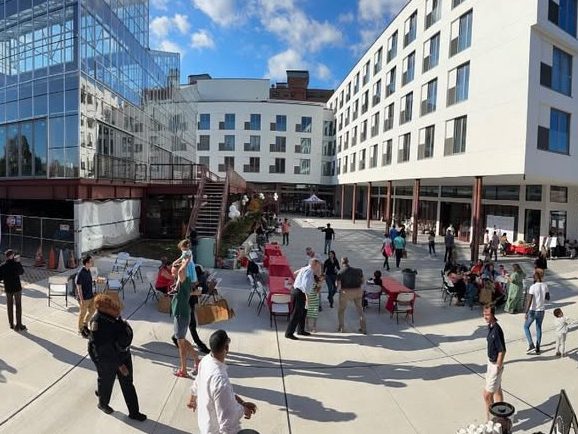
makerhoods : part 1 “We need to rethink who the city is for … We must rebuild with the least fortunate in mind, not by forcing affordability alone … but by re-designing cities to offer opportunities for self-employment through affordable living and affordable commercial space” — Avi Telyas We first heard of Makerhoods through a…
-
brooklyn : part 1 Cities evolve and are constantly changing. We wanted to see examples of the current state of manufacturing in New York and spent a busy and informative day in Brooklyn with Andrew from Turnstile Tours. The Brooklyn Navy Yard (BNY) and the Brooklyn Army Terminal (BAT) are located on the western shores…

-
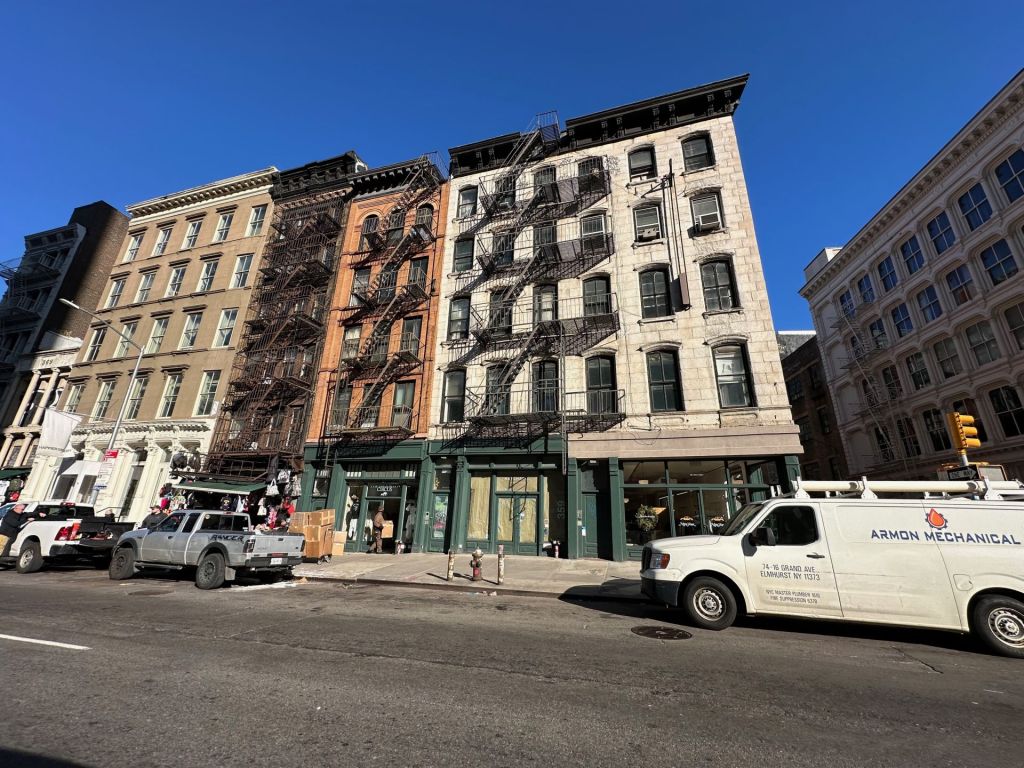
tenements : part 1 Once considered the densest place on earth, New York’s Lower East Side was often the first landing spot for waves of immigrants from many nations. For those arriving from the 1800’s to WWII, the Lower East Side offered opportunities for a new life — access to construction and manufacturing jobs, and…
 live | make | transform