
Category: travels
-
A new generation of small-scale makers are becoming informed and influenced by concepts of a sustainable economy. Contemporary designers and makers are, more and more, acknowledging the harmful practices of many manufacturing industries. These have persisted through decades and centuries, and might range from the exploitation of energy, materials and labour, to the environmental damage…
-
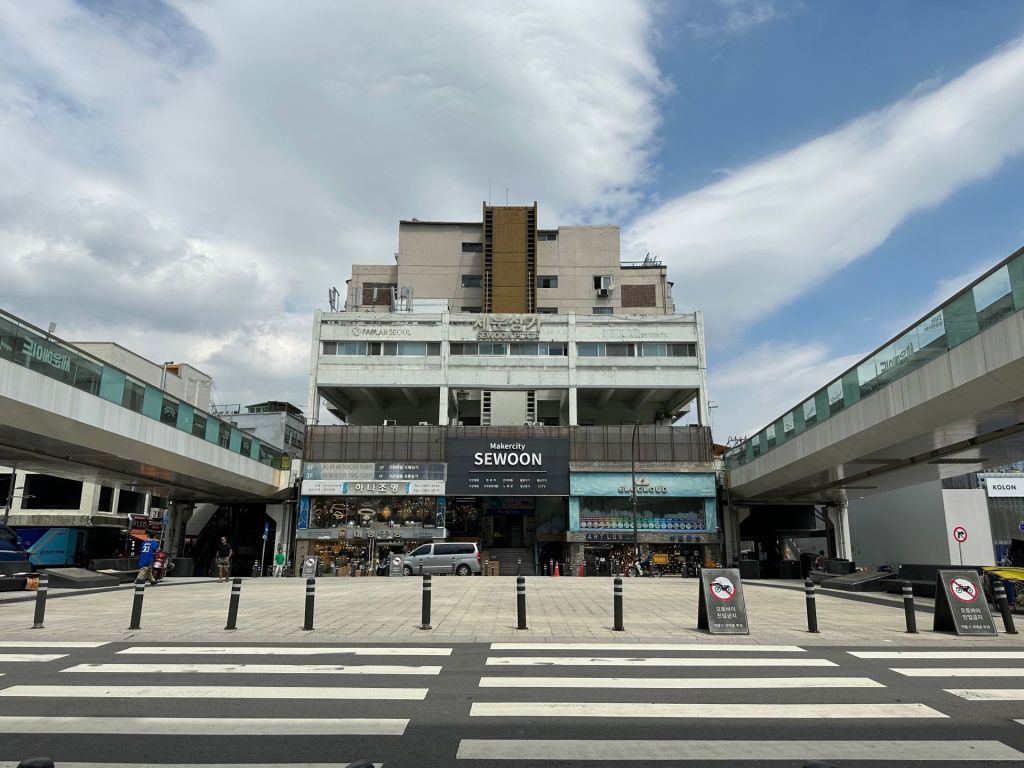
history : part 1 Sewoon Sangga, located in the heart of downtown Seoul, once embodied the ambitions of a city and country that underwent a period of rapid post-WWII industrialization. Sewoon Sangga is located on land previously cleared during WWII, an attempt to stop the spread of fire post-bombings. After the Korean War, it became…
-
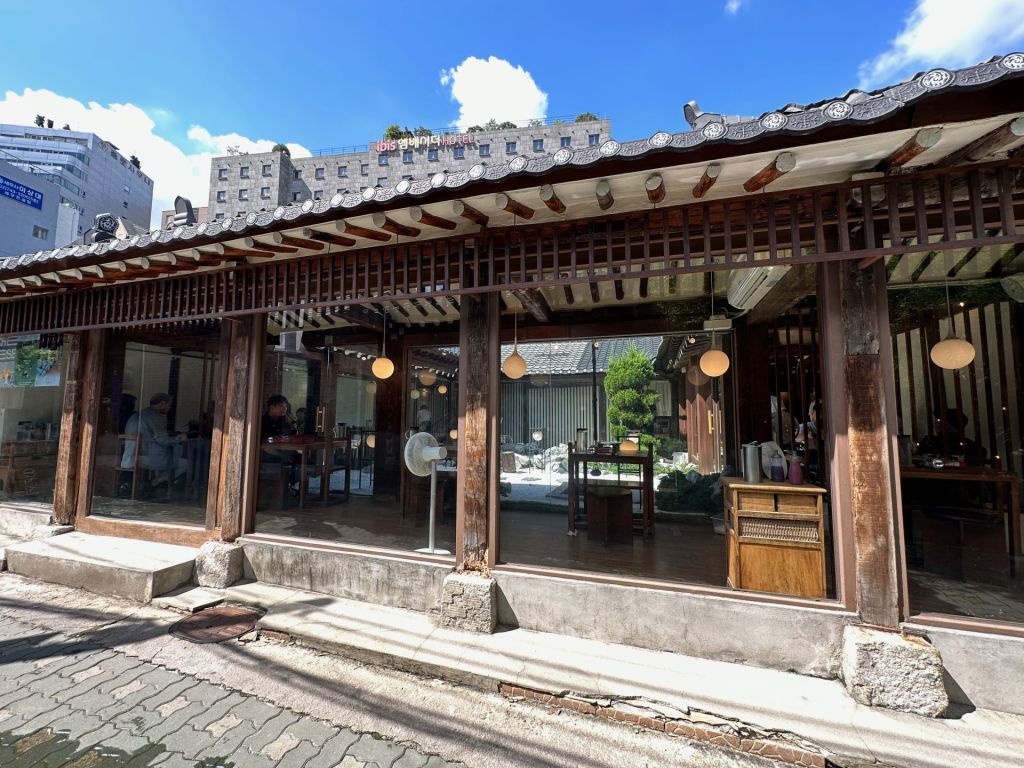
While Bukchon Hanok Village was originally a residential enclave for high-ranking officials north of the palace, Ikseon-dong Hanok Village is rooted in the hanoks of the working class. Surrounded by larger residential and commercial buildings, Ikseon-dong is located in Seoul’s Old City. With approximately 100 hanoks set amidst a maze of narrow, grid-laid alleyways, Ikseon-dong’s…
-
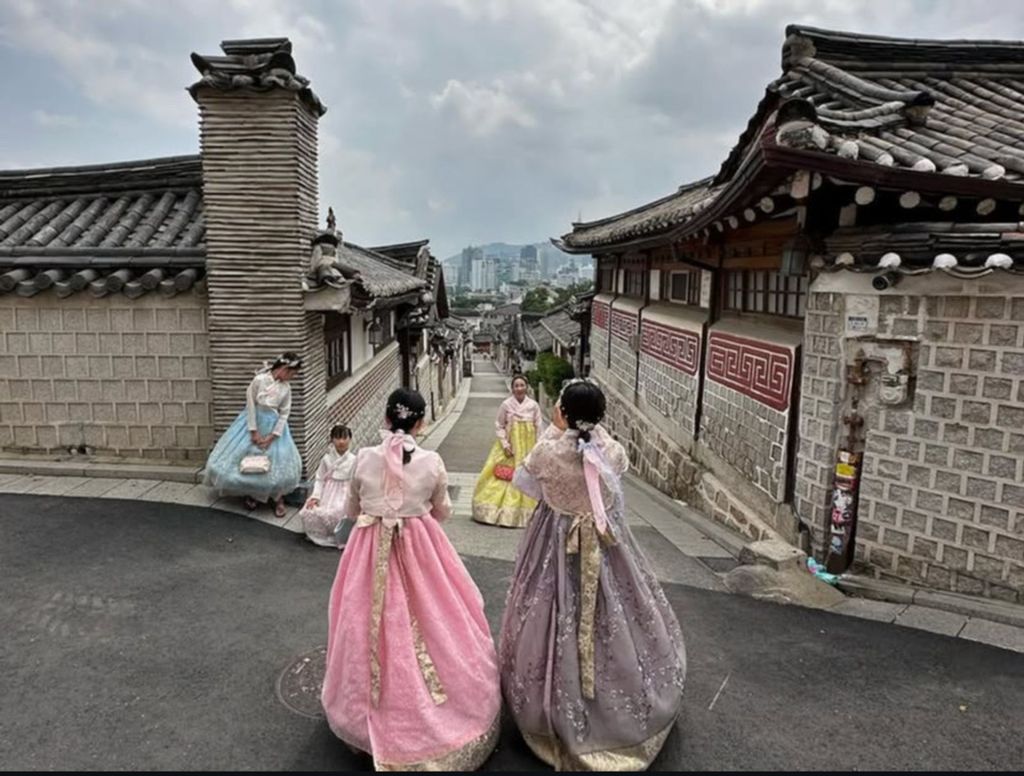
A hanok is a traditional Korean house, often with wood frame construction. At one time, hanok villages made up the fabric of Korea’s towns and eventual cities. Like the machiya in Japan, hanok usage could be purely residential, but they could also be multi-purpose. This might feature both dwelling spaces and work/make spaces ( workshops,…
-
Yokocho, “yoko” meaning “side” and “cho” meaning “street, block or town,” are tiny streets and back alleys filled with micro-bars and small restaurants. Usually forming entertainment districts around major transit hubs, yokochos are also remnants of the black markets that sprang up after the Great Kanto Earthquake, and post-WWII. For many years yokocho had a…

-
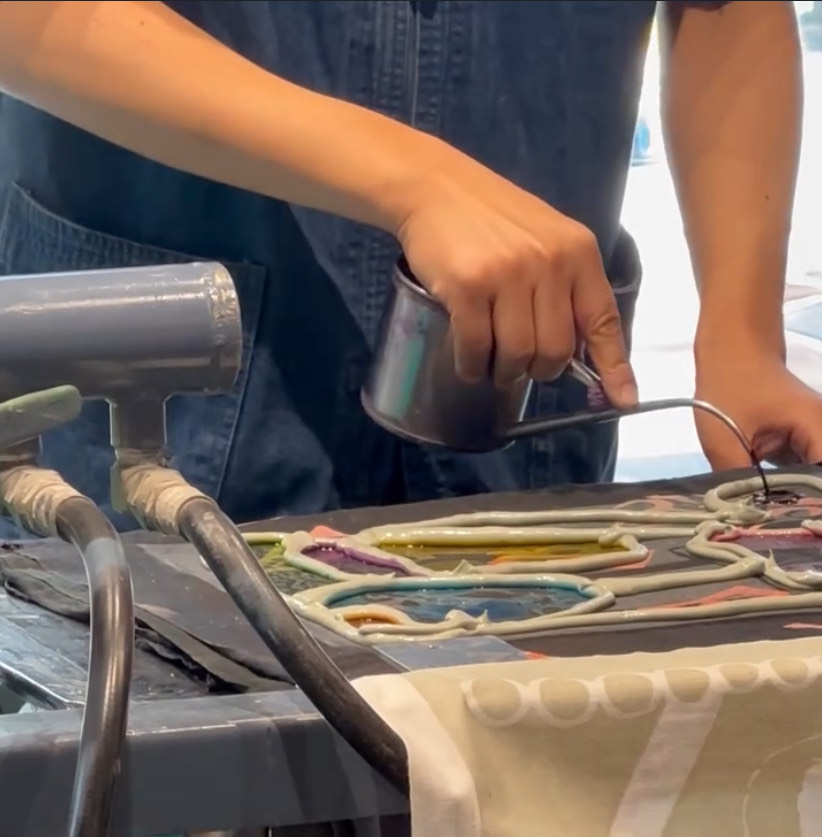
Media often portrays Japan as a country with a large amount of people working for corporations, but it is also a country filled with small makers and entrepreneurs. This is 2k540 Aki-Oka Artisan, a maker market located in Ueno, underneath the elevated railway tracks. Previously used for parking and machine storage, this maker district consists…
-
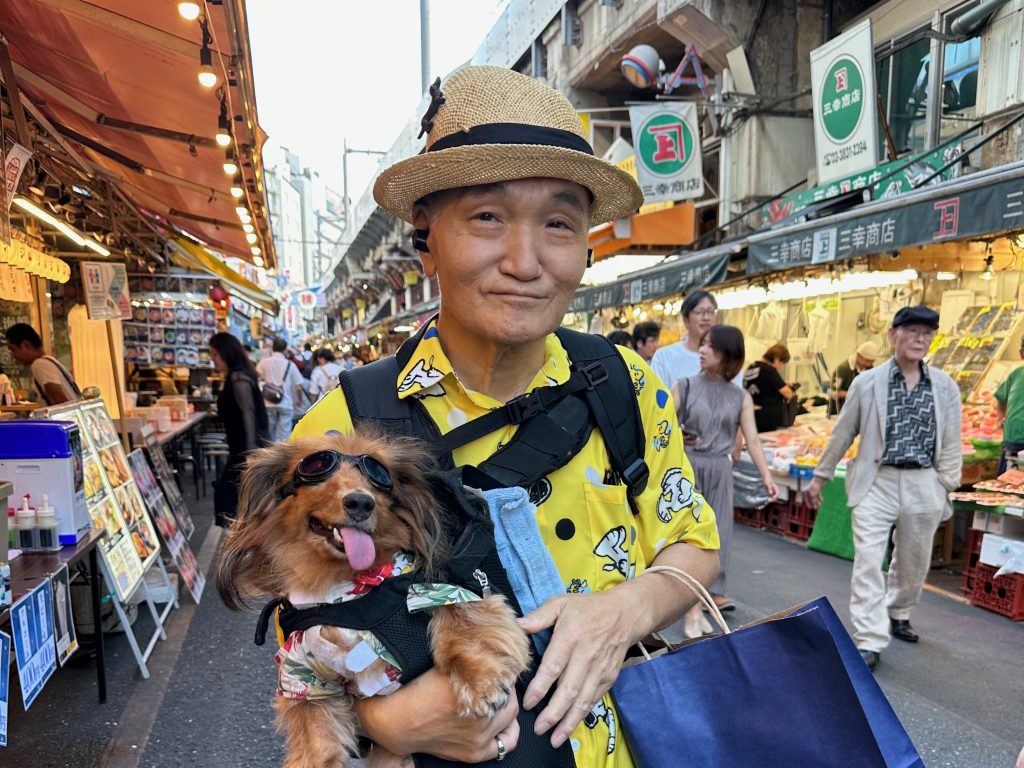
Tokyo is unique as an urban phenomenon. On the surface it looks chaotic, but it operates incredibly efficiently. This contradiction, among many other examples of duality, is what makes Tokyo so intriguing. The Ameyoko shotengai or Ameyoko “shopping street,” located near Ueno station, is one of the most well known undertrack infills. Taking Ameyoko and…
-
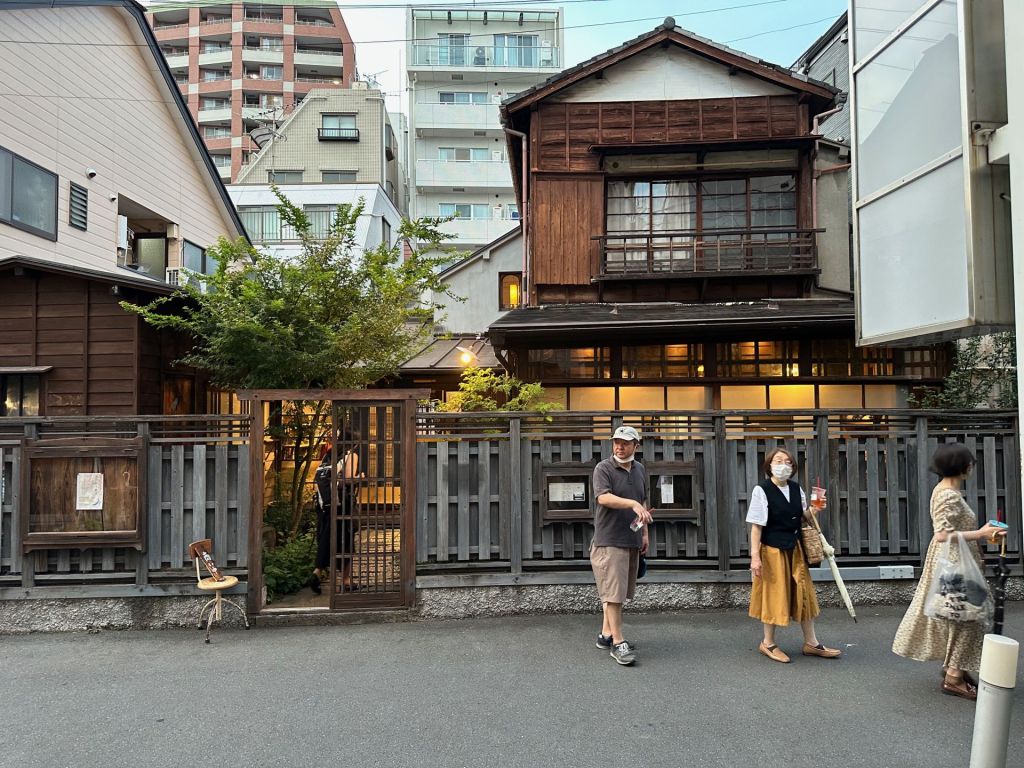
If Kyoto’s pacing is “slow, slow, quick, quick, slow,” then Tokyo’s pacing could be described as “quick, quick, quick.” Tokyo is one of the most complex, layered and vibrant cities in the world. Many of its neighborhoods are mixed use, mixed in scale, diverse in history and full of stories. Cities evolve and are constantly…
-
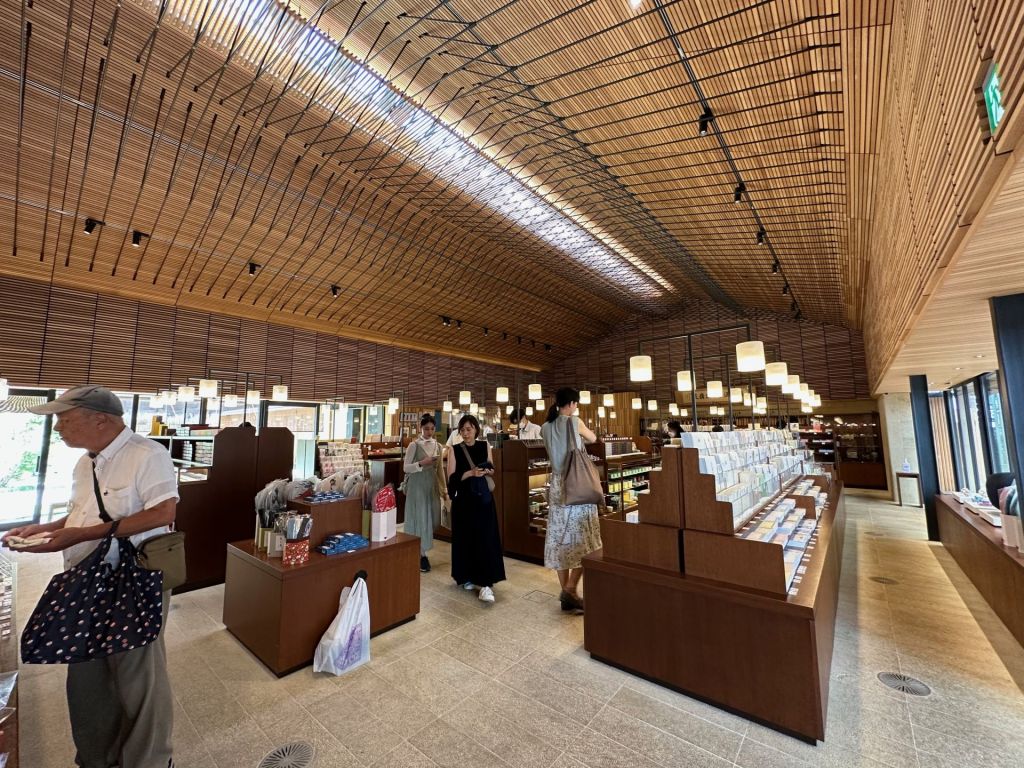
The bones of Kyoto’s town planning were laid out in ancient times, with some of its streets and neighborhoods reflecting forms derived from a main activity and its supporting elements. (i.e. pottery, textiles, leather goods, etc.). These historical neighborhoods still maintain a traditional feel, with narrow lanes, wooden buildings and stone paved streets. In many…
-
nagaya : part 1 Walking the streets of Kyoto you come across entrances leading to a back alley, and teasing glimpses into the hidden life of the nagaya. The nagaya (long house) goes back to the Edo period, and is a type of dwelling for the working class. These row houses are one or two…

 live | make | transform