
Tag: belgium
-
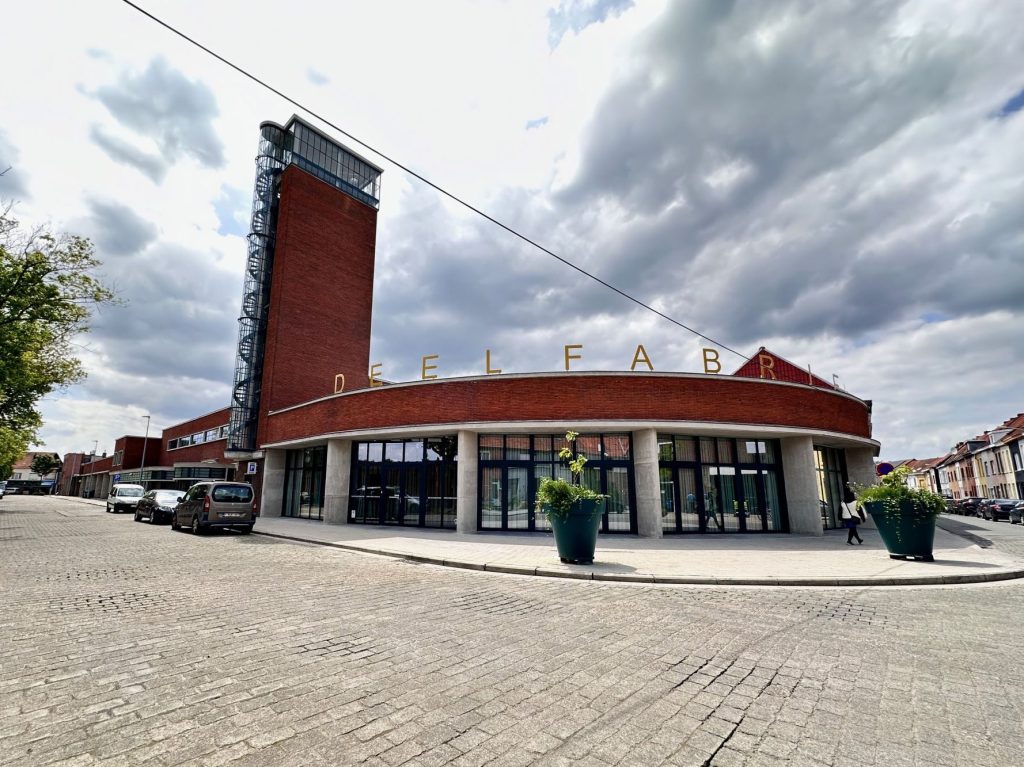
deelfabriek : part 1 From medieval times to the early 20th century, Kortrijk was the flax capital of Belgium. The slowing of the textile industry and its surrounding trades saw Kortrijk follow suit, undergoing a period of economic decline. We wanted to visit Deelfabriek, an old fire station that was repurposed into a community hub…
-
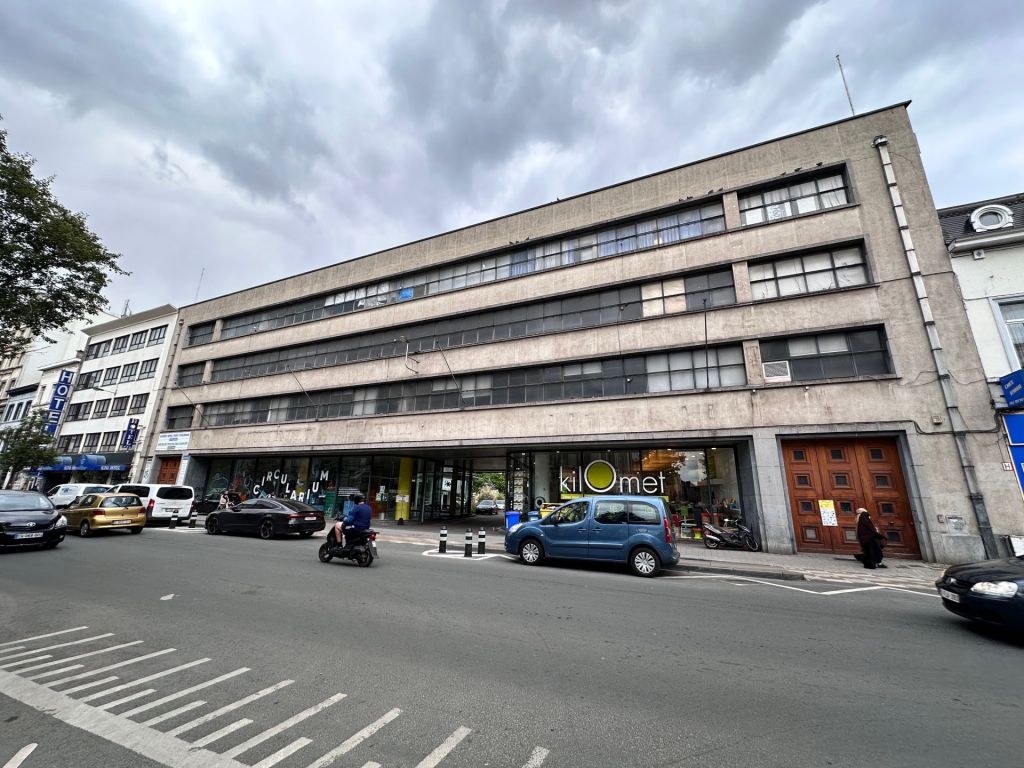
circularium : part 1 Brussels was one of Belgium’s manufacturing powerhouses in the 19th and early 20th century. Like Ghent, factories and warehouses were set amidst the residential neighborhoods, with worker housing, single family homes and low rise apartments. We wanted to visit Circularium, located in a gritty, vibrant, yet economically depressed area near Brussels’…
-
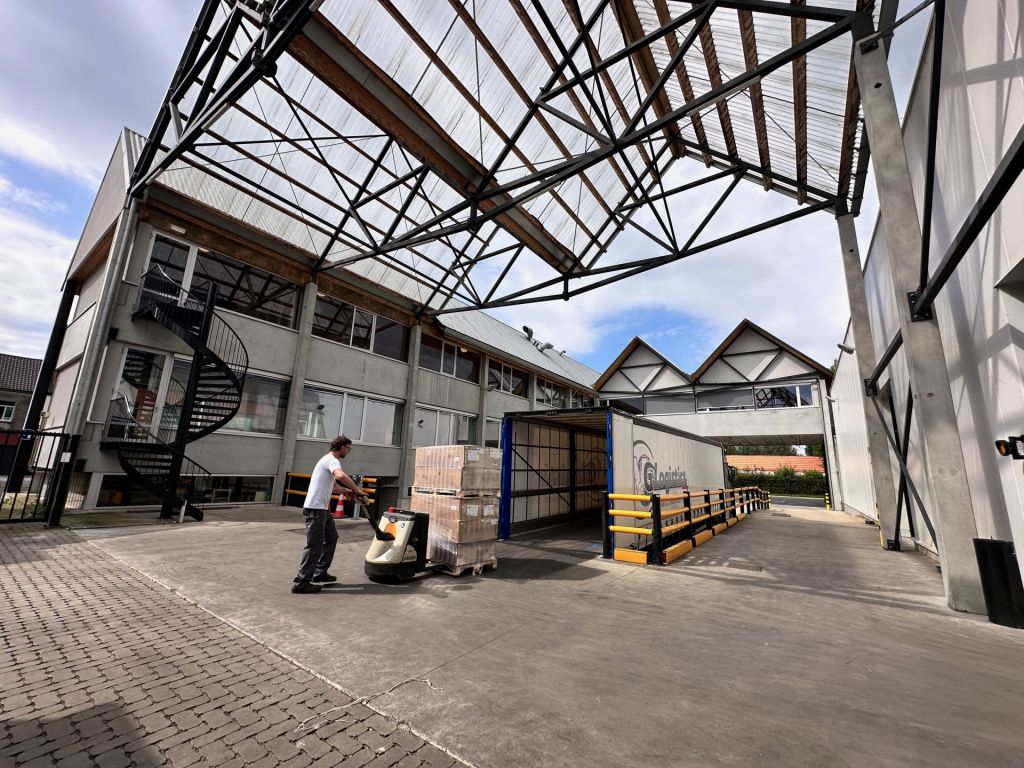
We visited Ryhove, a contemporary factory located in the suburbs of Ghent. Ryhove is a non-profit organization which focuses on lean manufacturing, not heavy industry. They offer a multitude of services including assembly, food assembly, printing, book binding, packaging and logistics. Ryhove’s operations had expanded multiple times, but their physical environment remained very inefficient. Management…
-
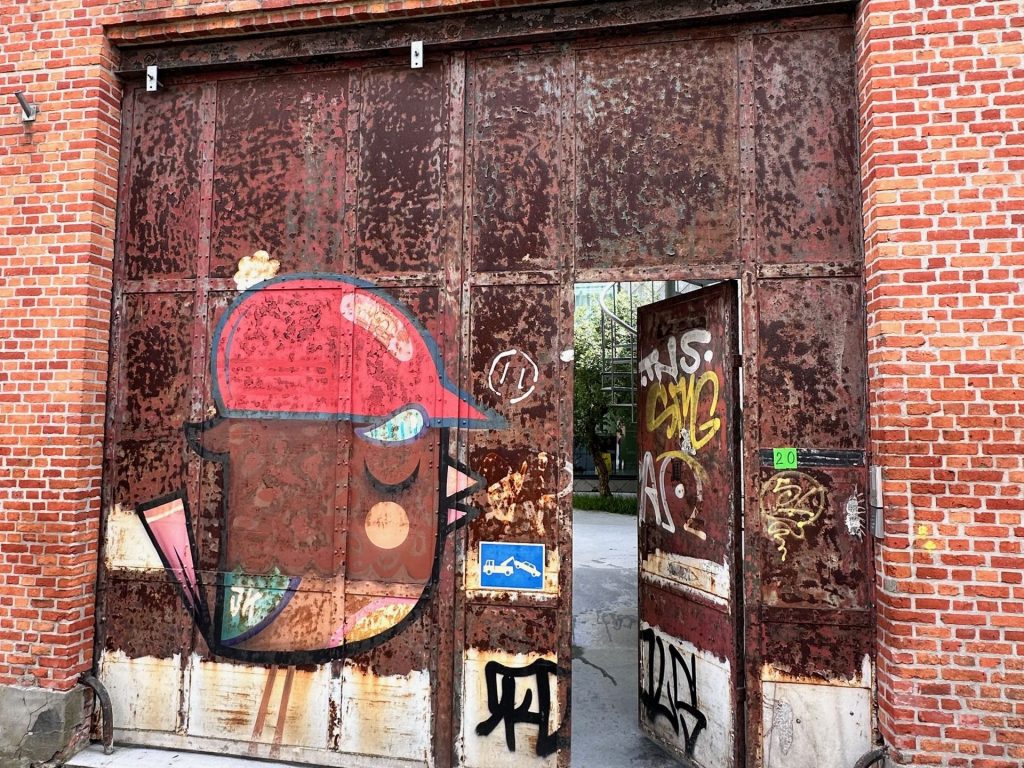
ham : part 1 In Ham, a district northeast of Ghent’s city center, there are several city blocks composed of residential and industrial buildings. This mixture is quite different from examples of city blocks in a separated North American zoning. From the Middle Ages onwards, Ghent’s cityscapes were dotted with small urban workshops that supported…
-
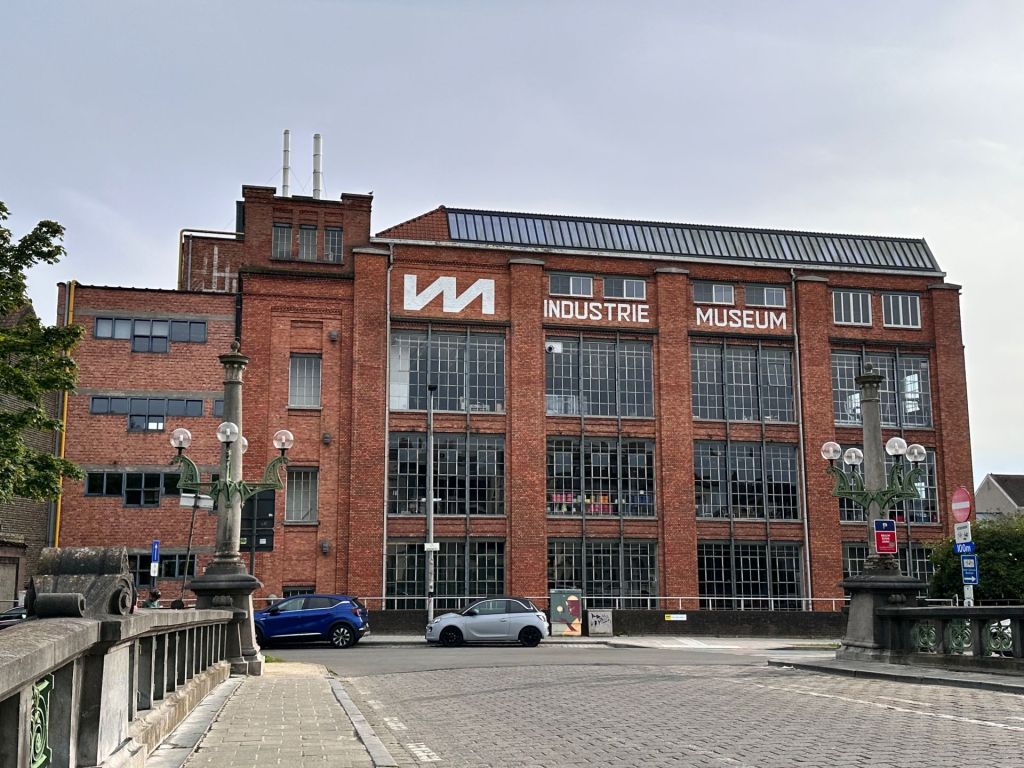
Since the Middle Ages, Ghent had prospered due to the textile industry. The manufacturing of cloth and its resulting trade was supported by many small urban workshops. In the 18th and 19th centuries, Ghent’s textile industry underwent industrialization, with the introduction of mechanical innovations such as the Mule Jenny (a large spinning machine) and the…
 live | make | transform