
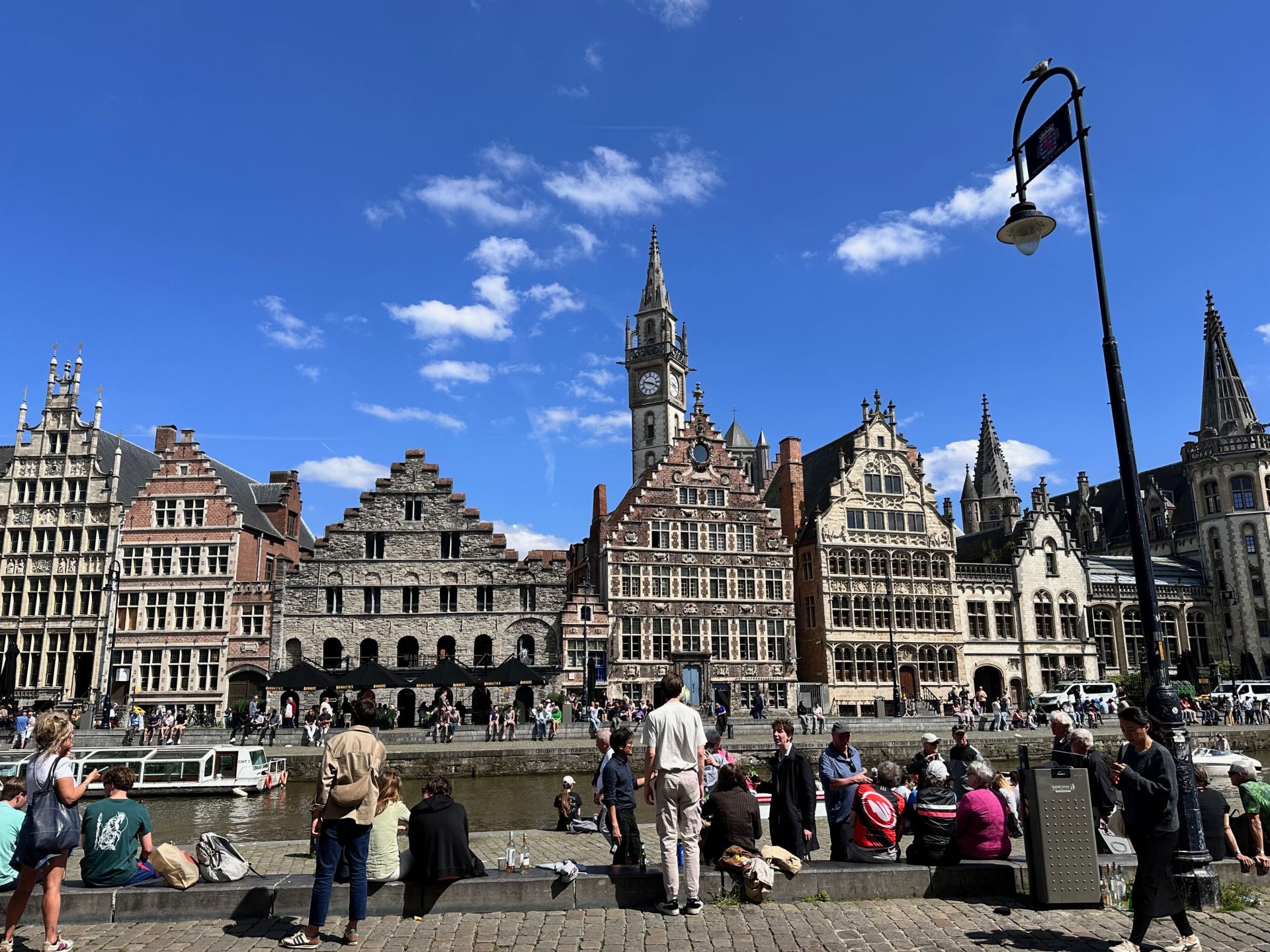
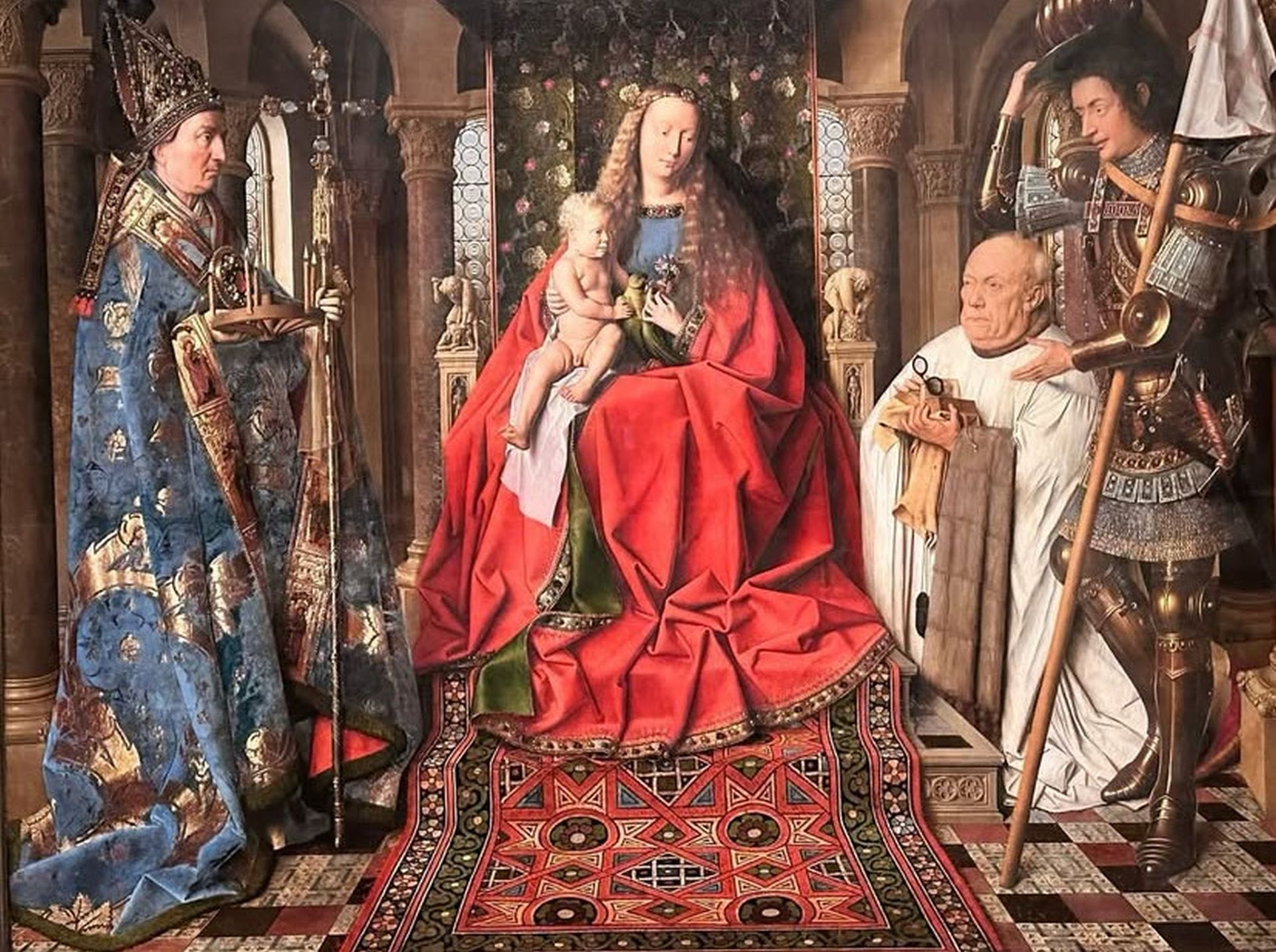
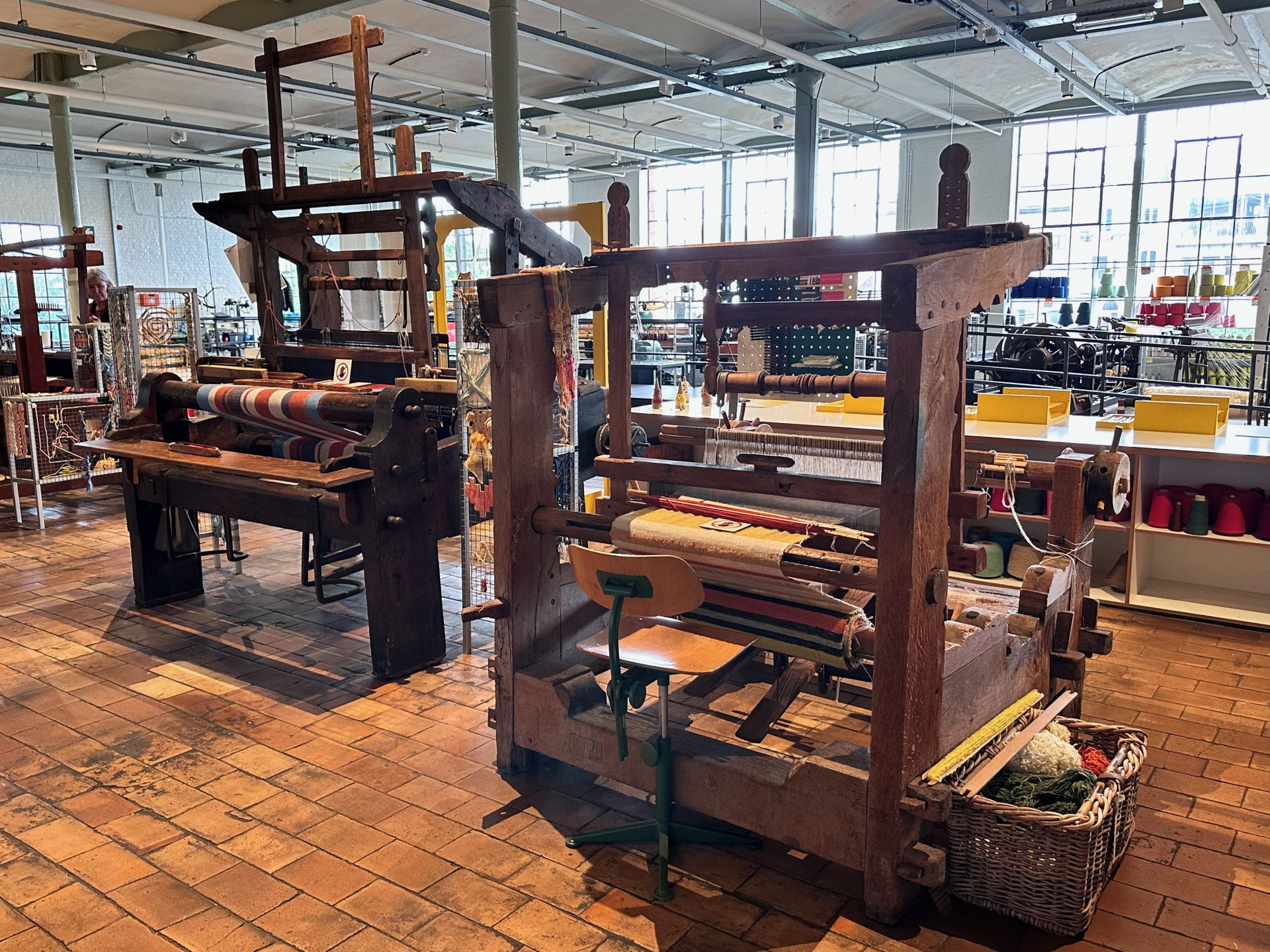
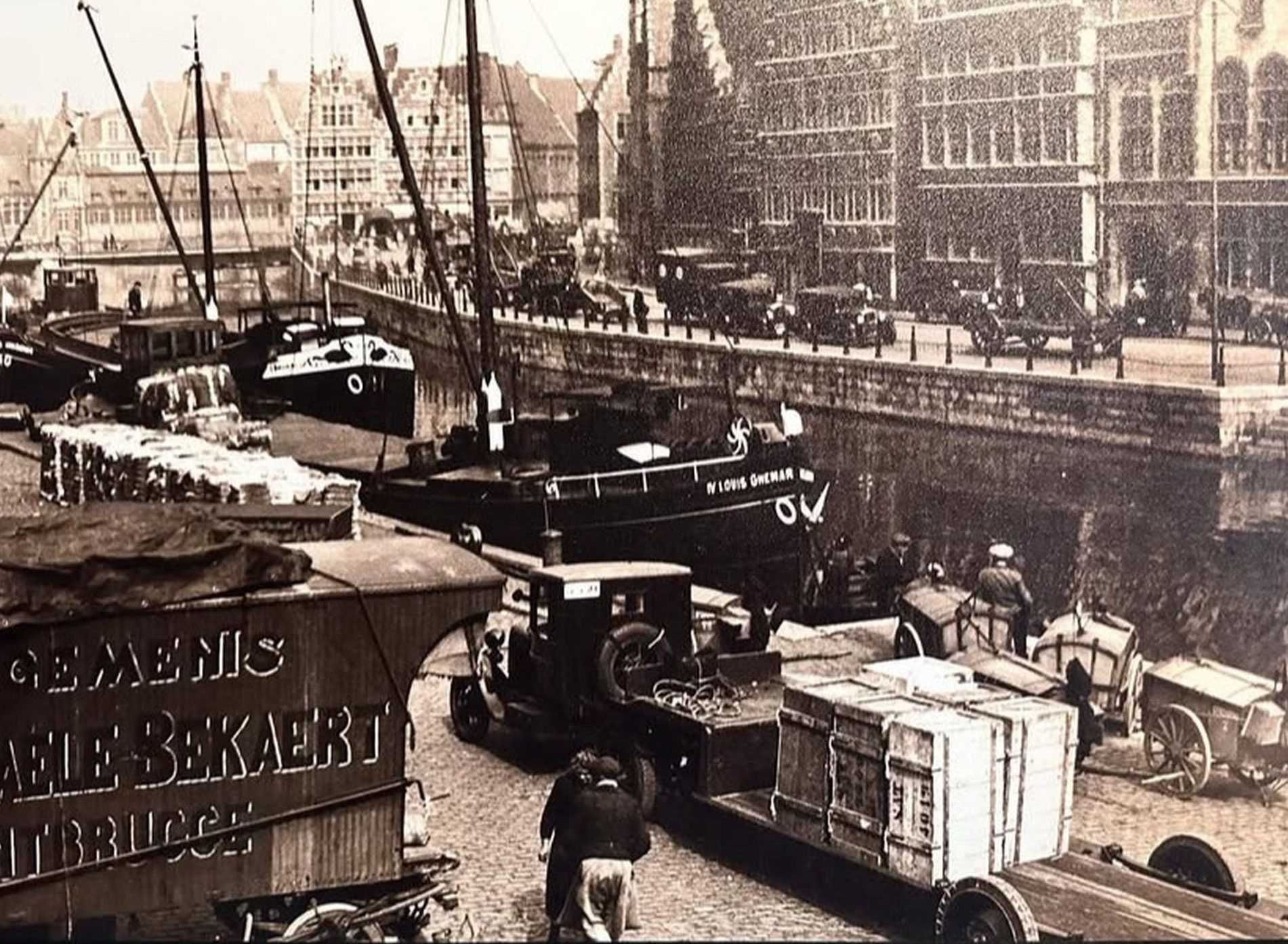
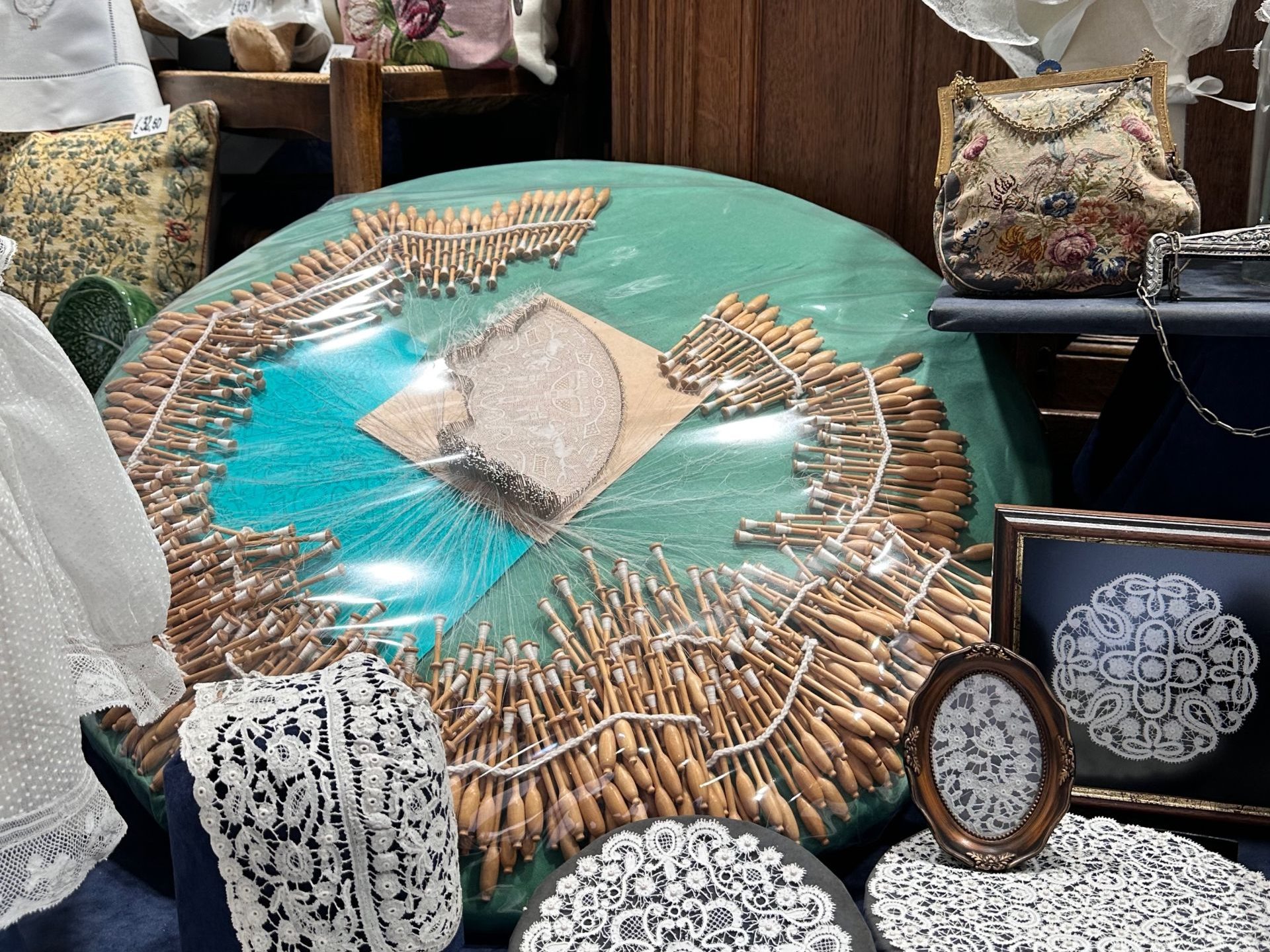
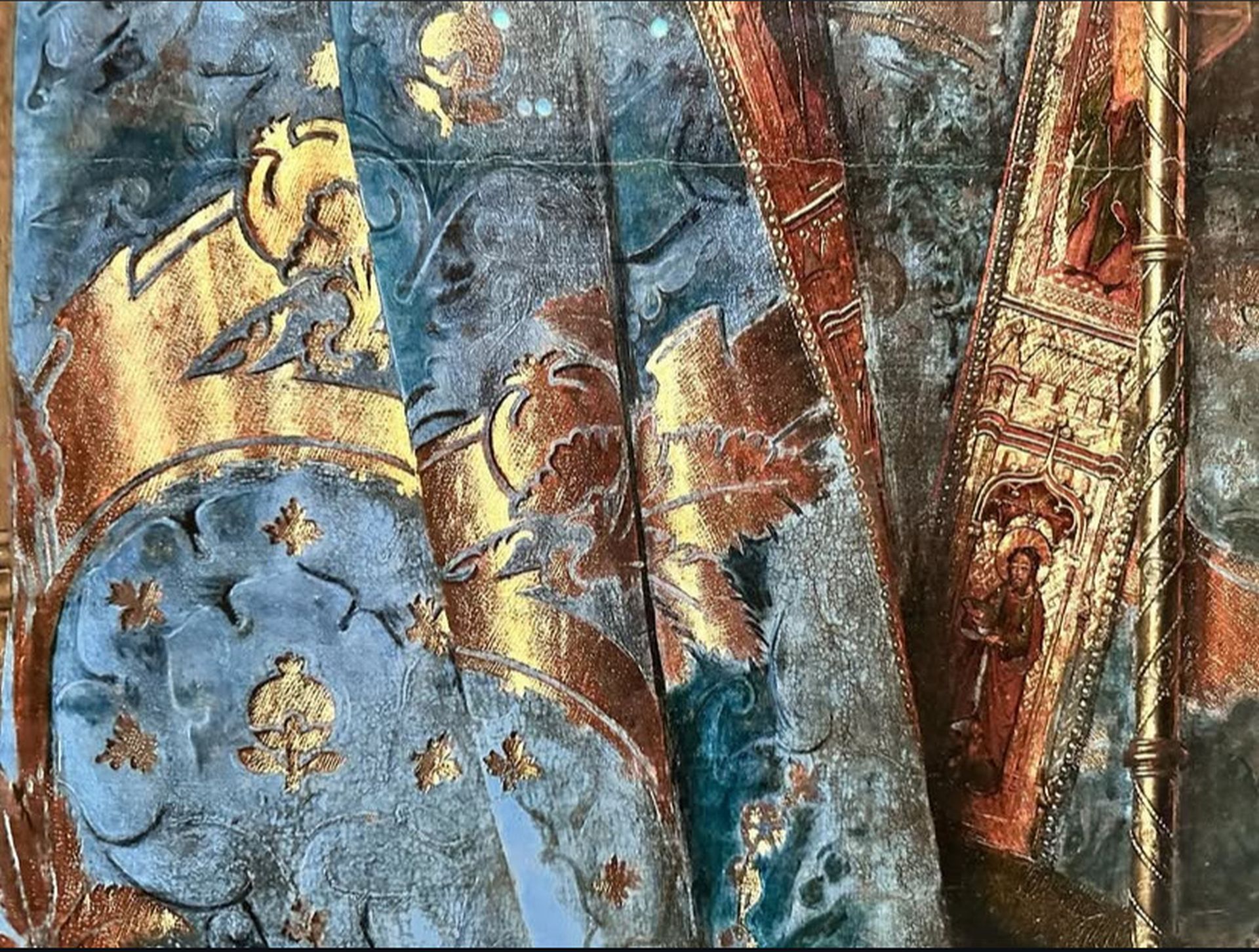
Several of Belgium’s cities grew prosperous in medieval times due to their textile industry, shipping and trade. A thriving cloth-manufacturing economy and ecosystem allowed places like Ghent to evolve from a small settlement at the intersection of two rivers into a wealthy and powerful city, one with impressive cathedrals, guildhalls, and public squares.
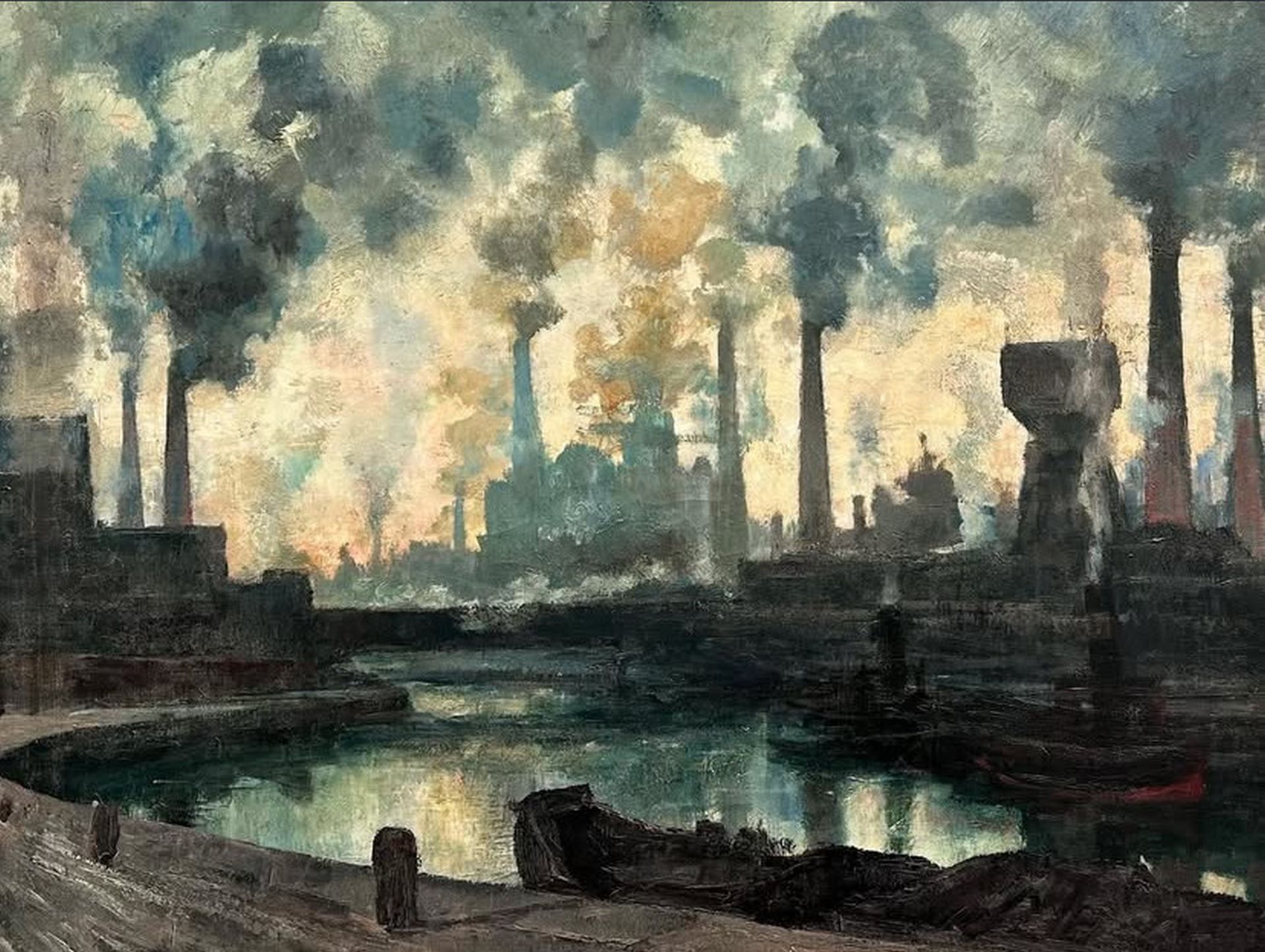
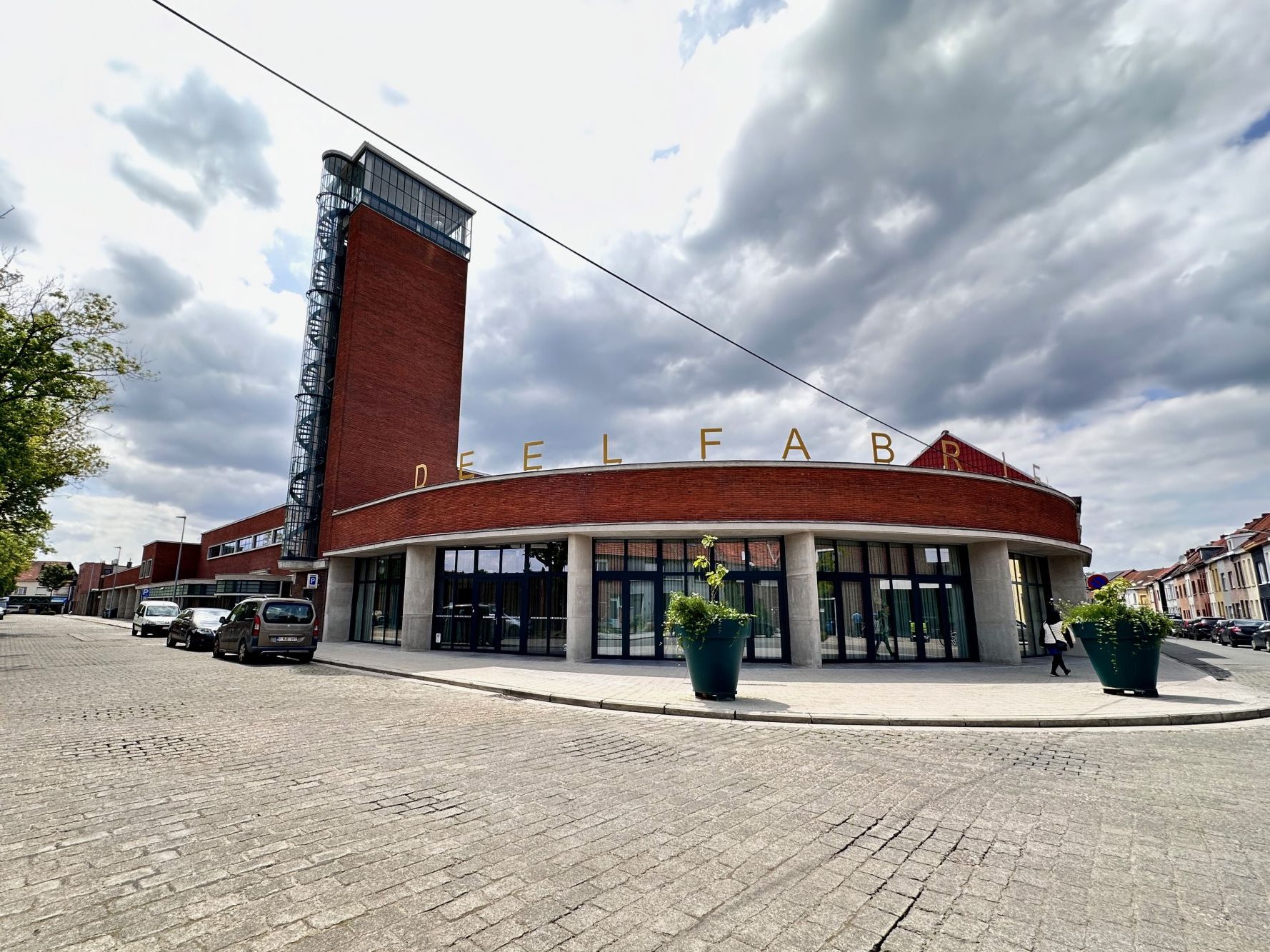
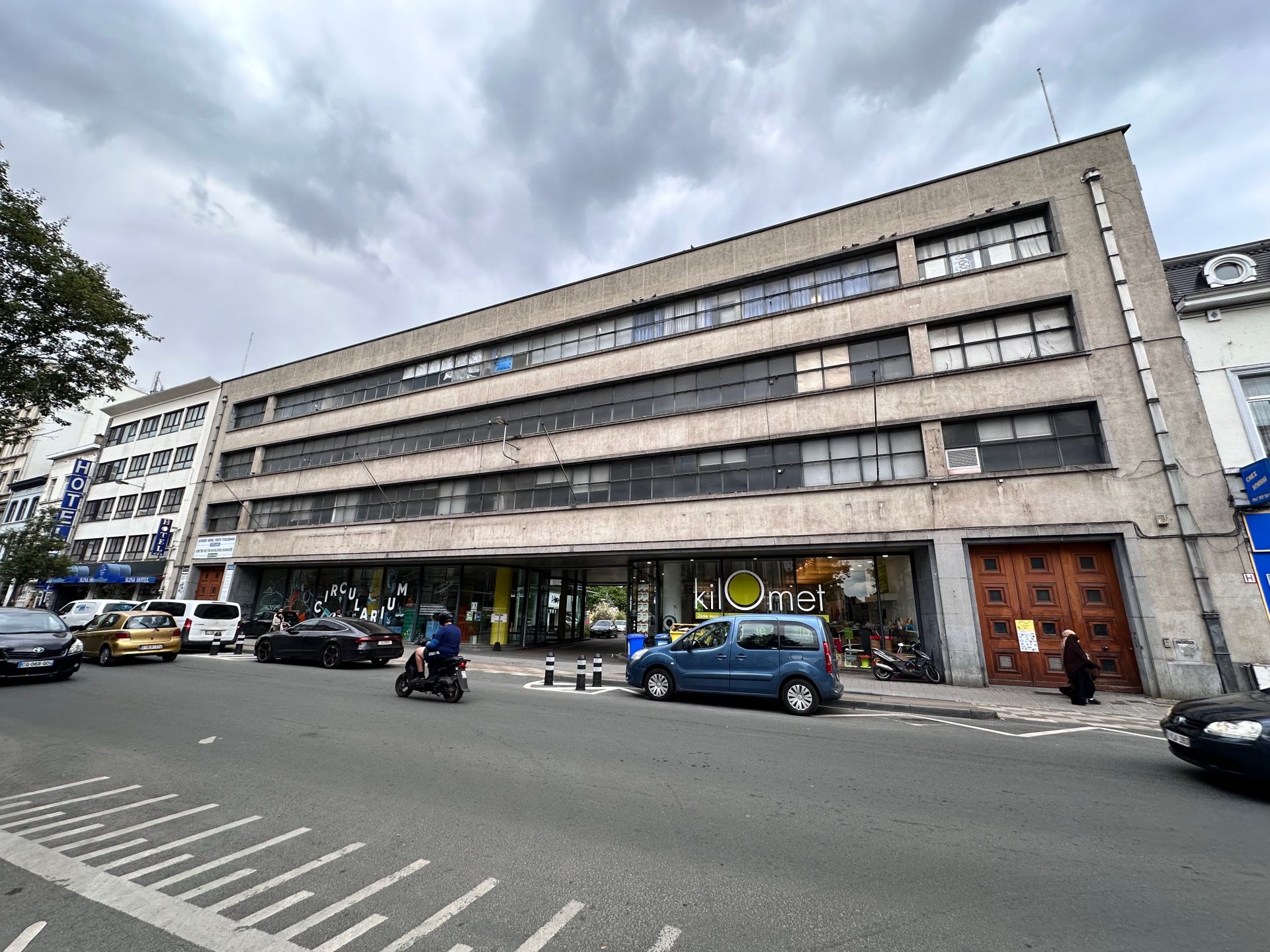
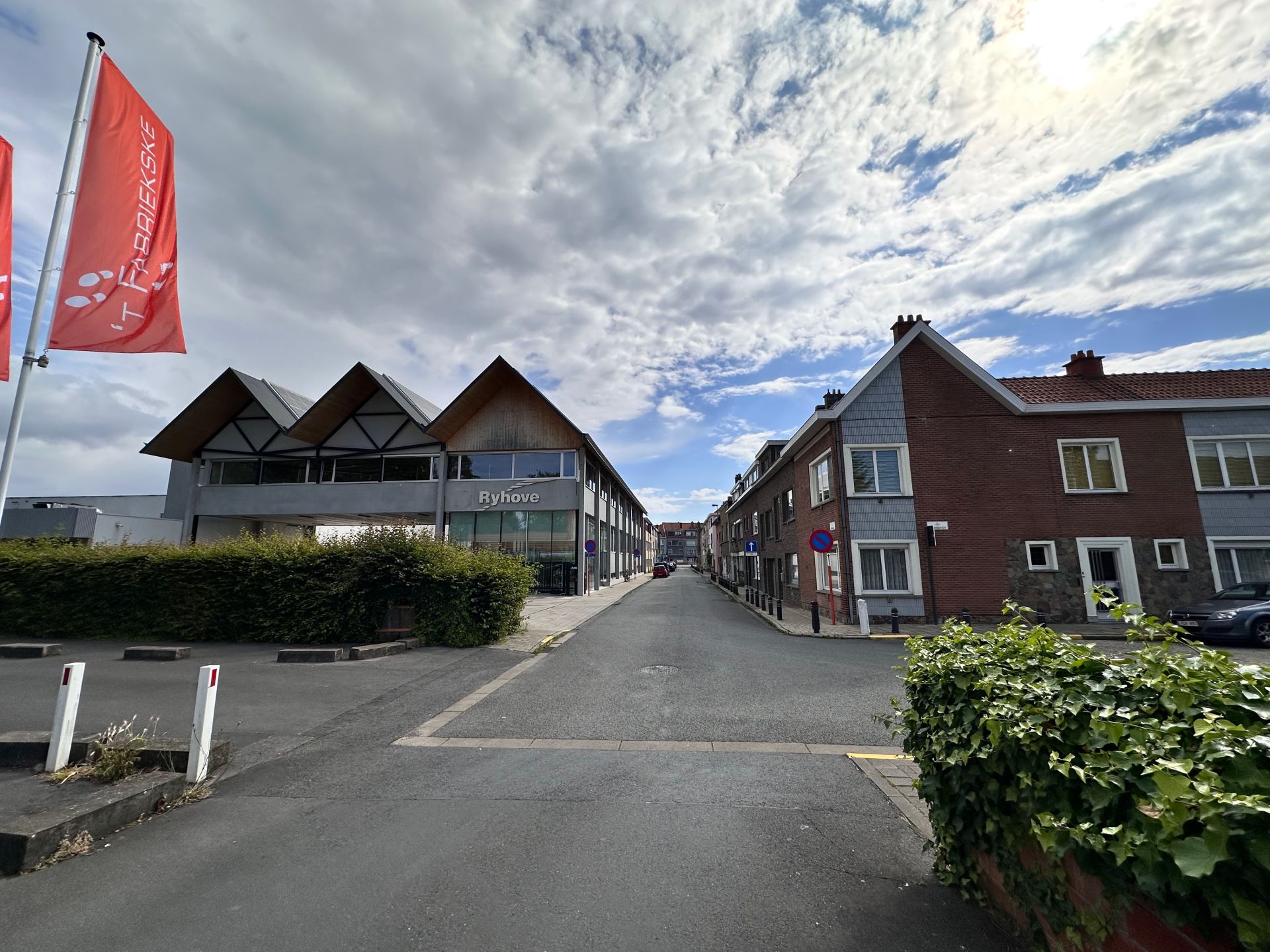
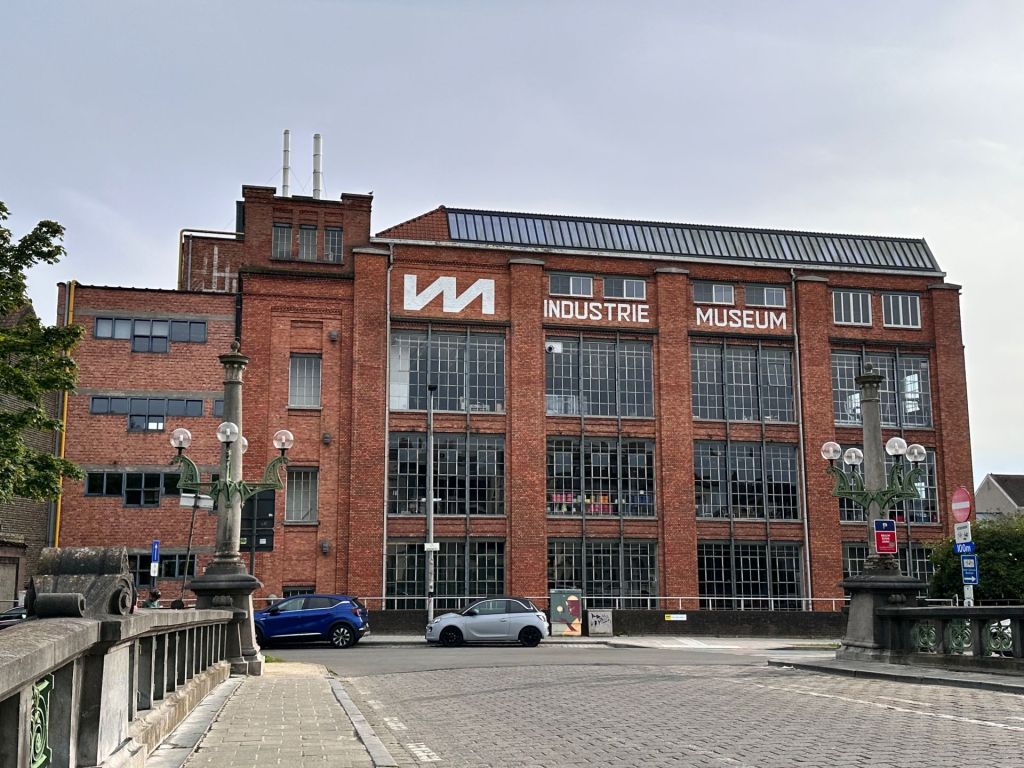
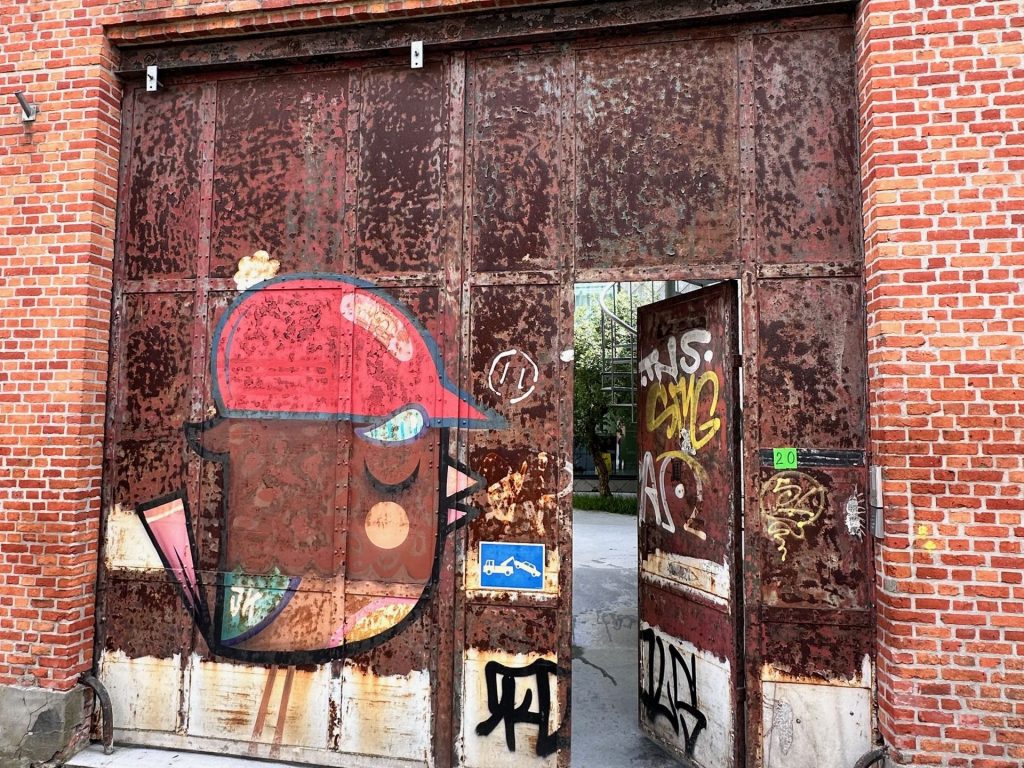
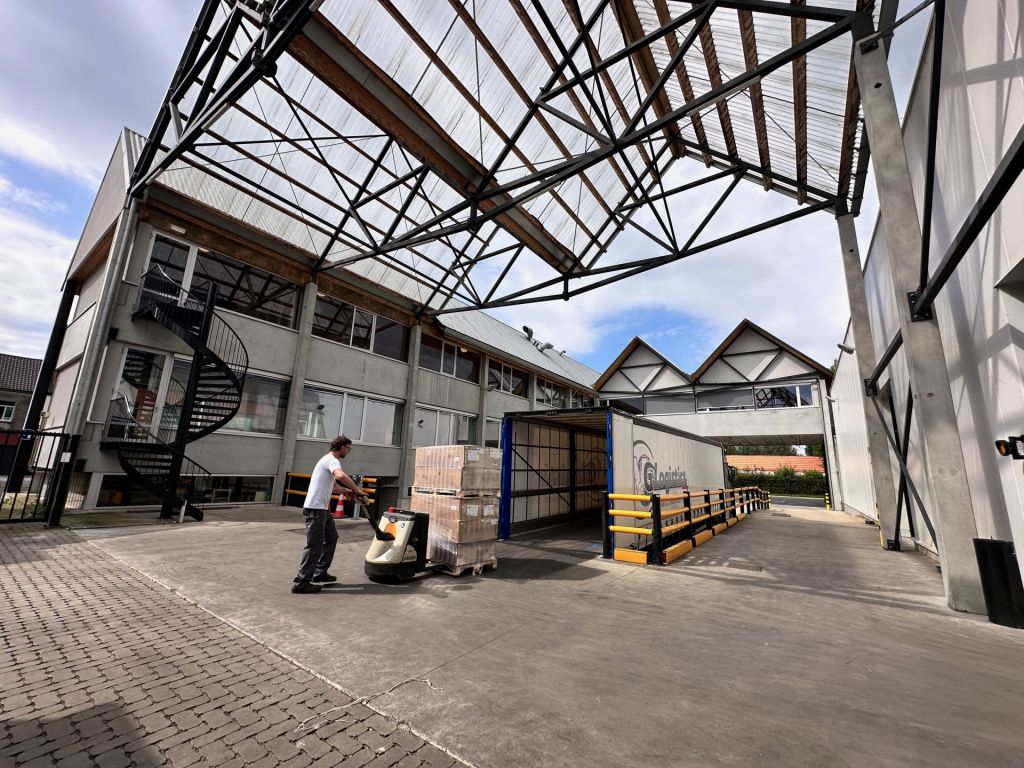
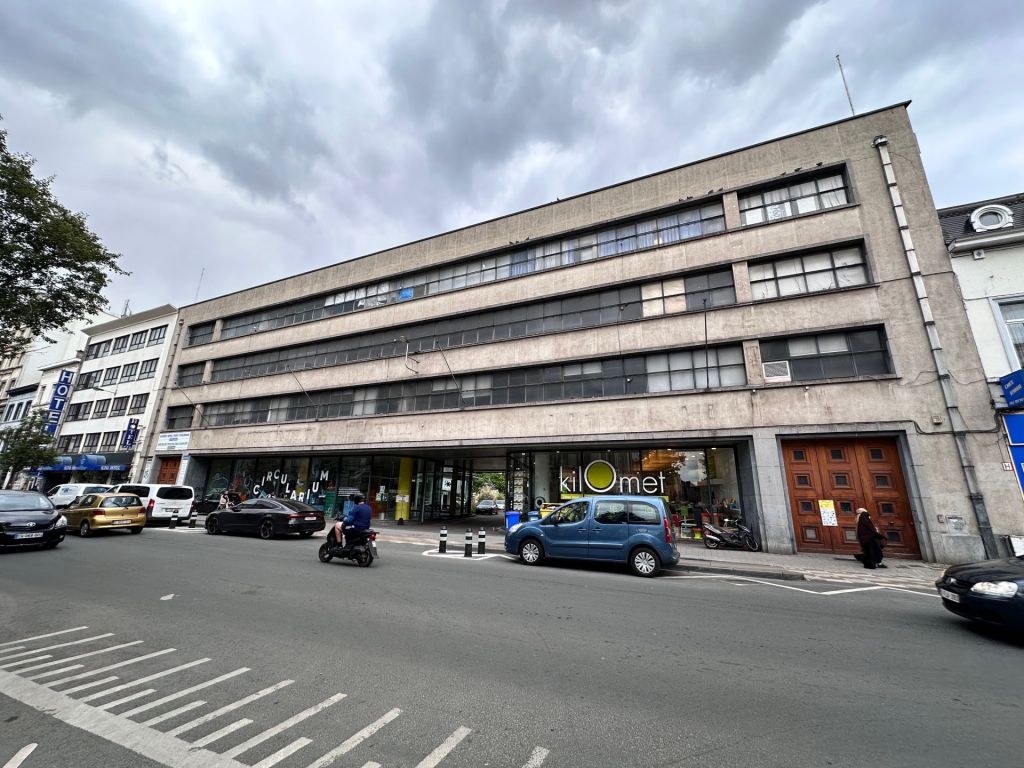
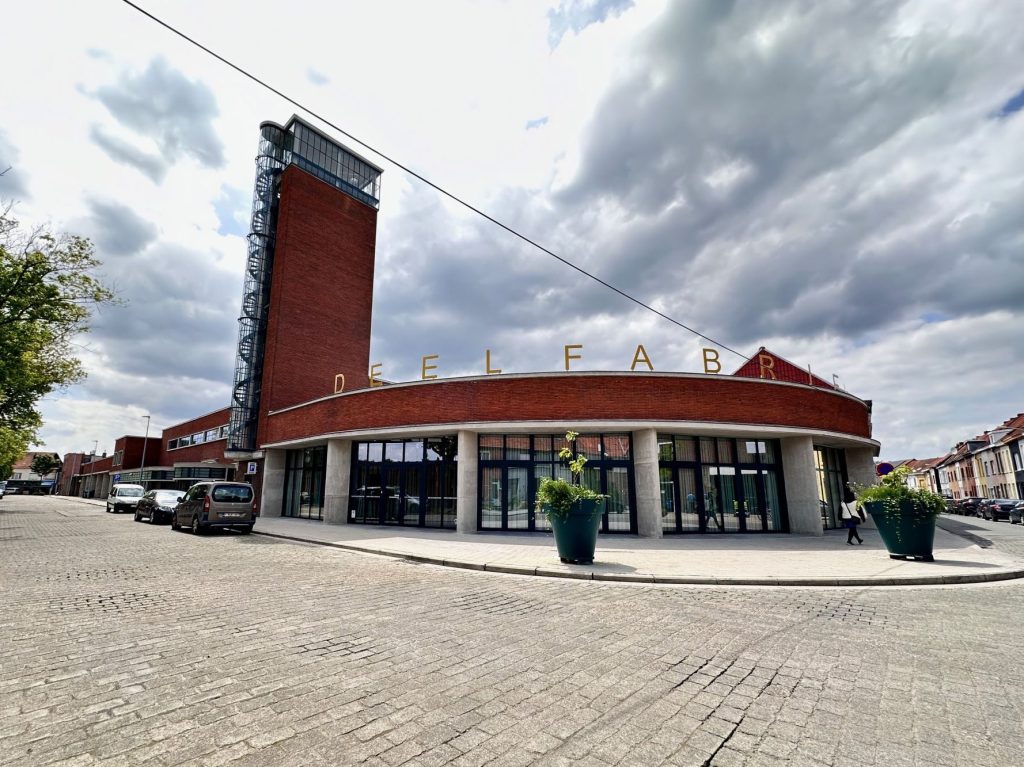
Belgium’s textile industry flourished for centuries, but eventually it fell into decline. In the industrial heartland, many cityscapes are dotted with scattered pockets of factories, warehouses and courtyards. The dwindling of most of Belgium’s manufacturing industries resulted in numerous abandoned and derelict buildings. Some warehouses and factories are now being renovated and reused as office complexes and higher-end residential housing.
Belgium’s transition from pre- to post-industrial state informs our research of live/make buildings, and the ways in which obsolete lands might be re-used.
We studied maps and walked through neighbourhoods to understand how small maker workshops and larger manufacturing spaces were inserted into a predominantly residential urban fabric. Our research and visits were concentrated on new and re-purposed sites, where the acts of making remain at the core.
 live | make | transform