


At the start of the 1960s, South Korea was one of Asia’s least industrially-developed countries and was still considered an agricultural economy. South Korea underwent years of industrial growth, modernization, rapid urbanization and transformation, and has been considered a global manufacturing powerhouse for many decades.
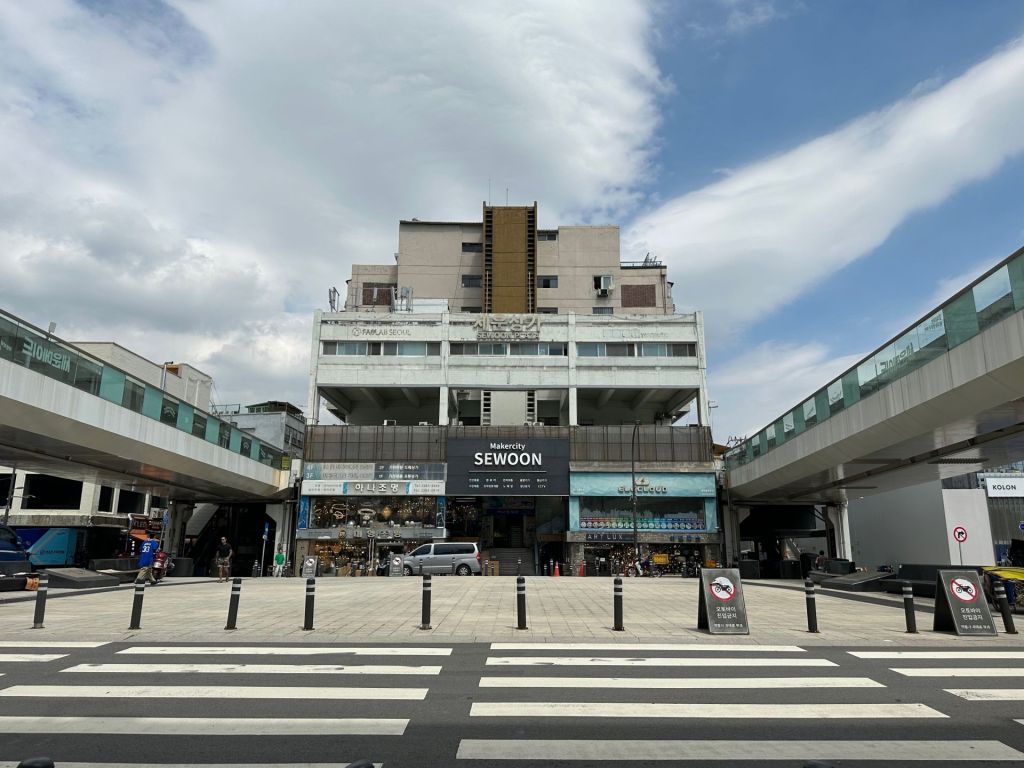
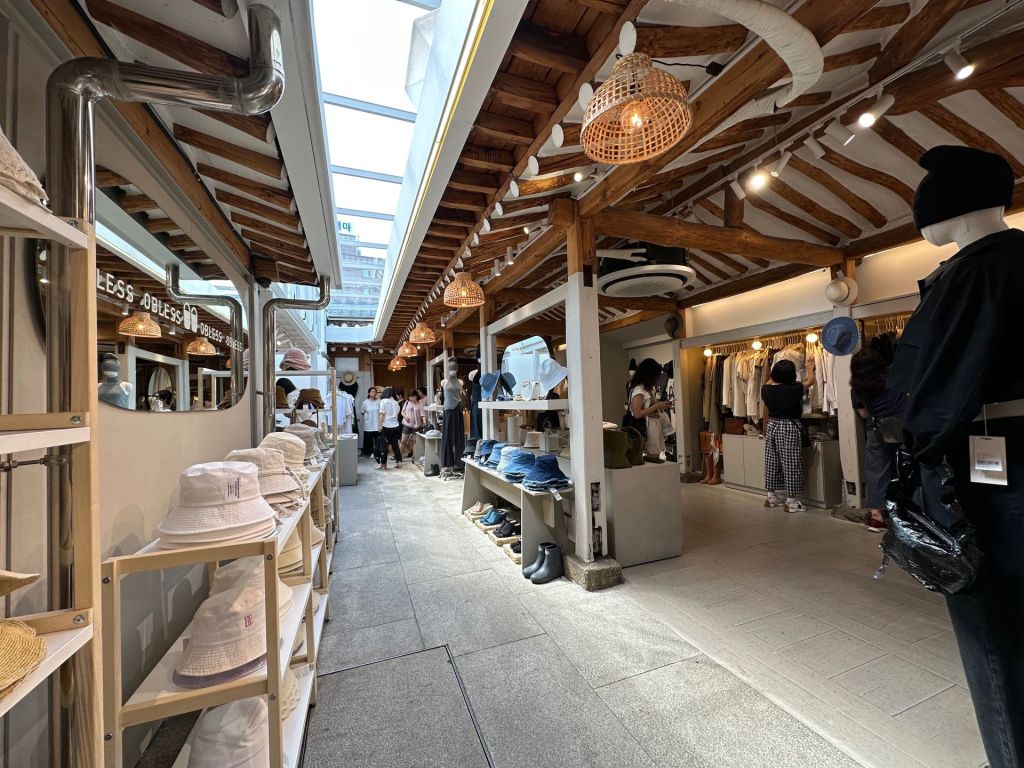
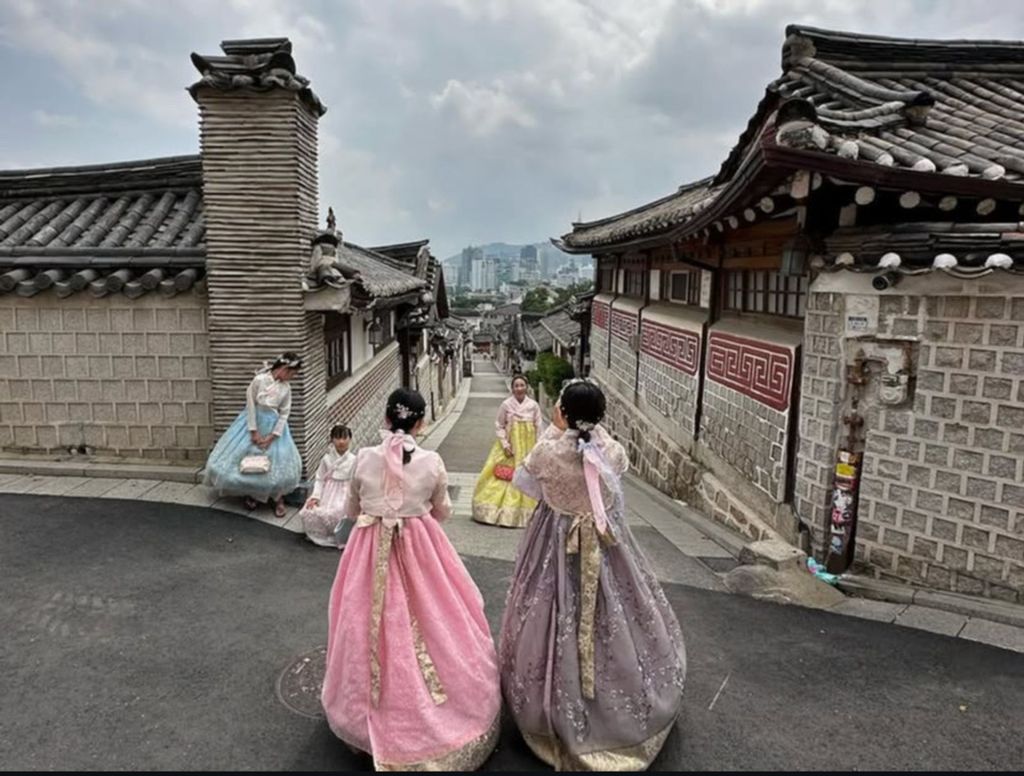
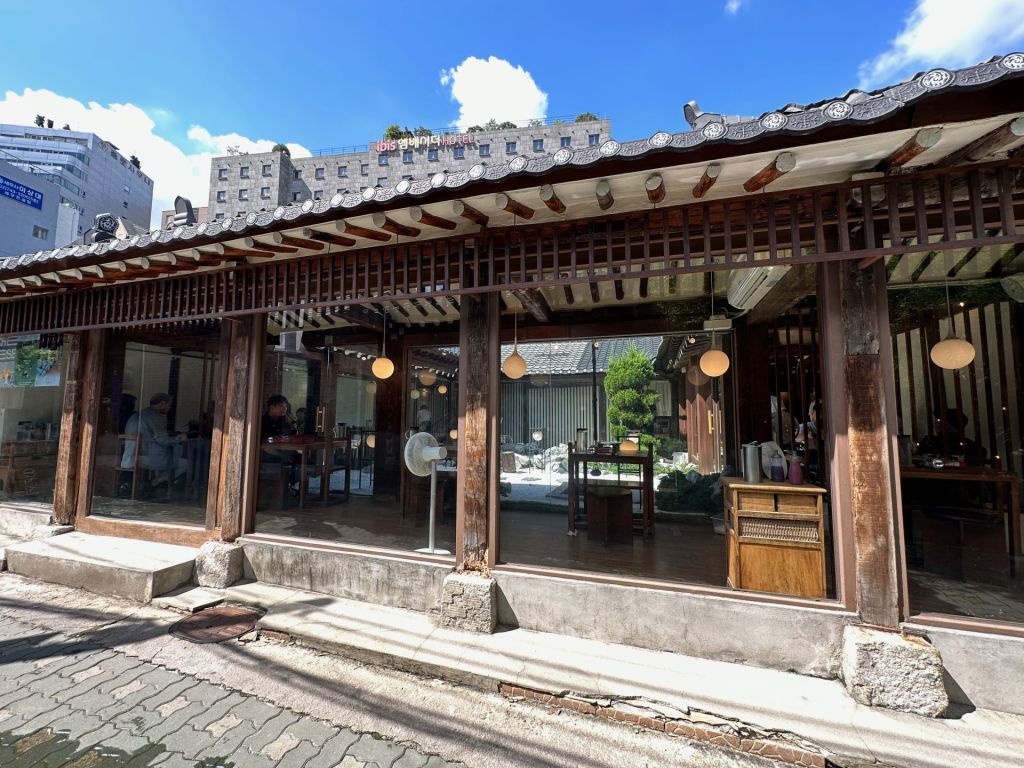
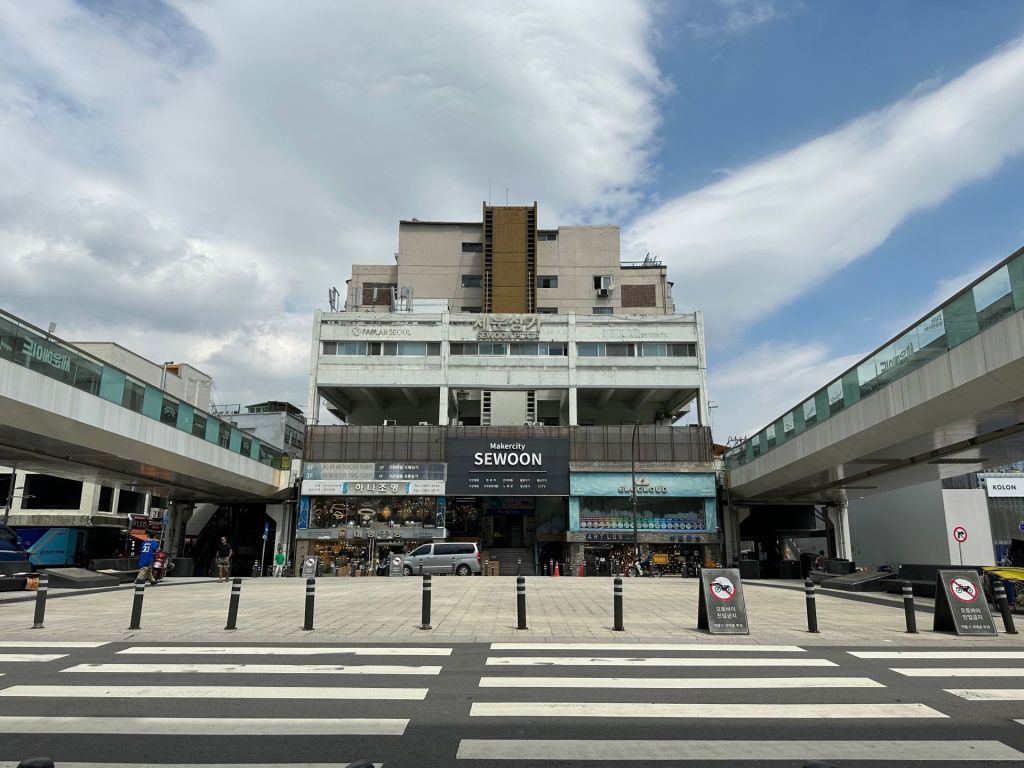
In Seoul, the business, financial and cultural heart of South Korea, we explored different neighbourhoods in various stages of decline and renewal. We wandered through the narrow alleys of traditional hanok (Korean house) villages, whose urban revitalization included strategies of preservation and evolution. We visited historic and modern landmarks, varied both in scale and in level of integration with the city. We explored a 1960s megastructure that once exemplified South Korea’s futuristic ambitions for live-work-play and walked through surrounding neighbourhoods still under constant pressure for redevelopment. It was by this act of walking along the streets and blocks that we came to understand how large-scale government interventions, for good or bad, can influence or change the character of a place.
 live | make | transform