
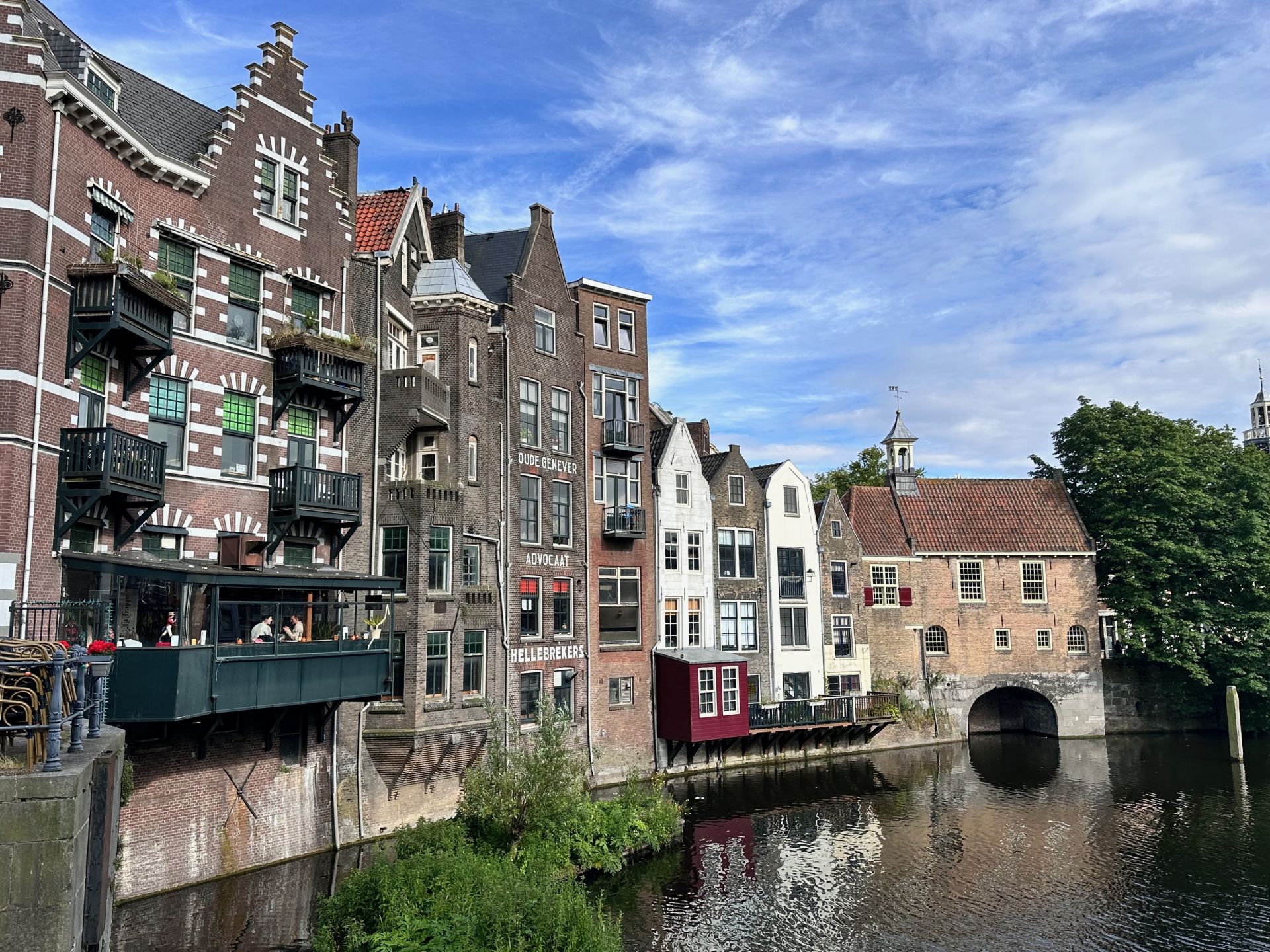

During the Dutch Golden Age, the Netherlands were one of the major sea-faring and economic powers. Shipping, agriculture and trade flourished, along with the fine arts.
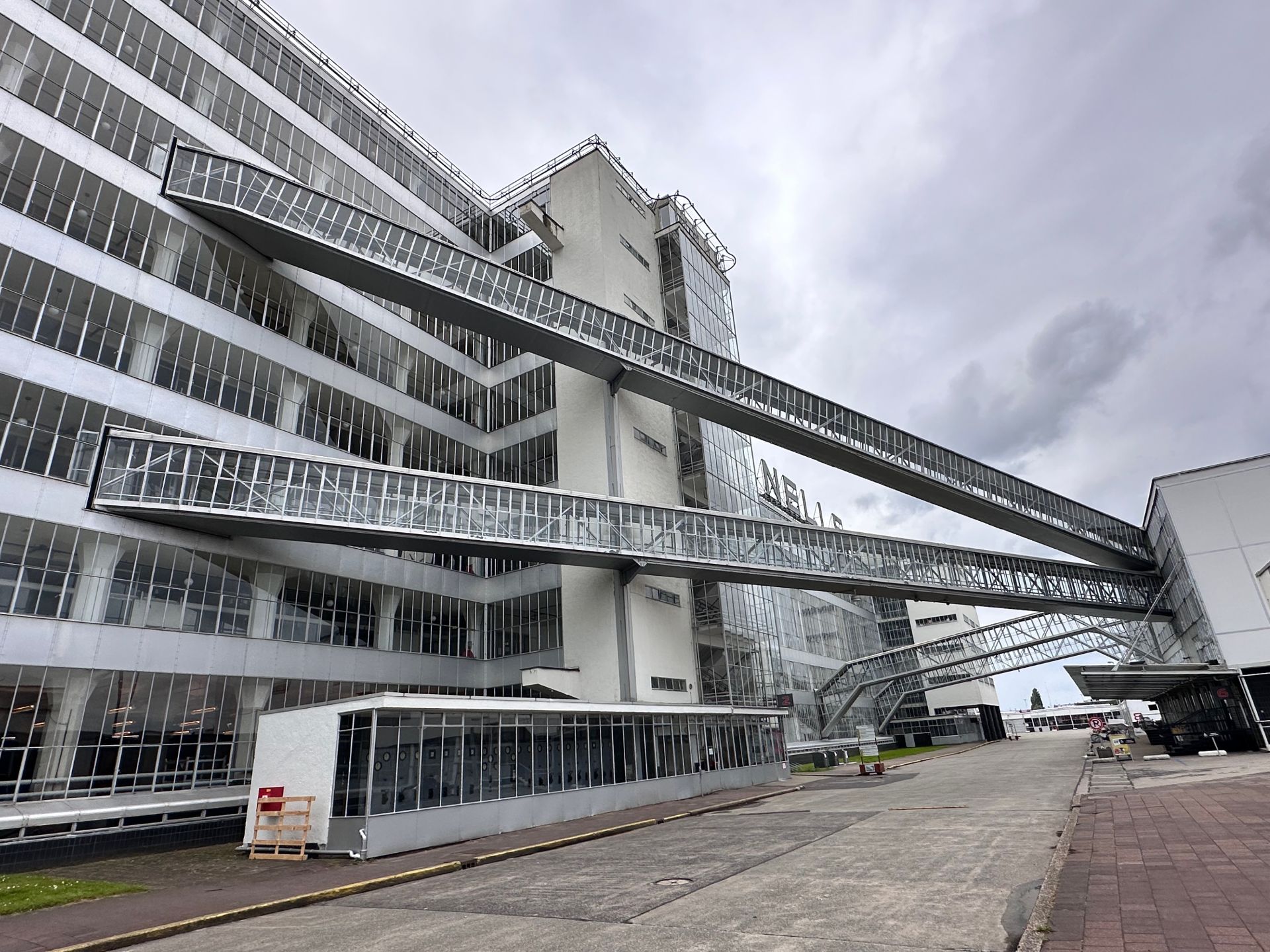
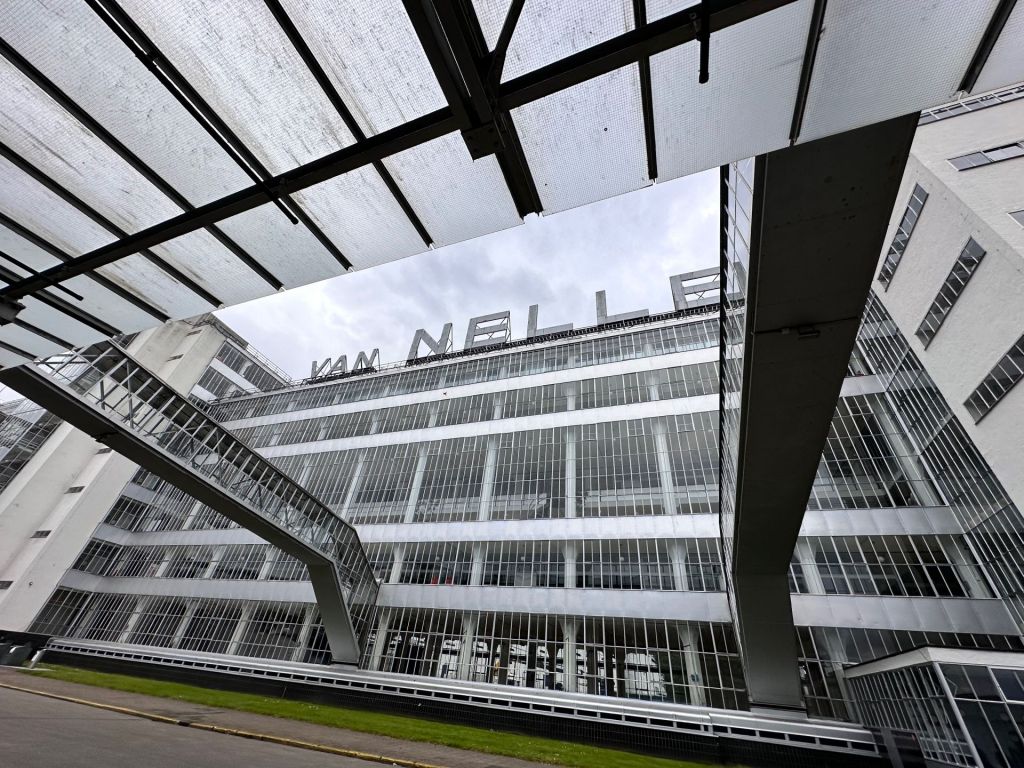
Like many countries that underwent hardship when their main industries declined, the Netherlands was left with many derelict factories and warehouses.
For many decades, industrial sites have sat empty all over the world. The typical story is that these industrial sites and complexes are demolished, and the land sold off for housing. The spaces for manufacturing and production are not replaced in the urban center but moved to the far outskirts.
A healthy city requires a diverse mix of buildings, uses and citizens. In addition to housing, workspaces are becoming increasingly scarce and expensive.
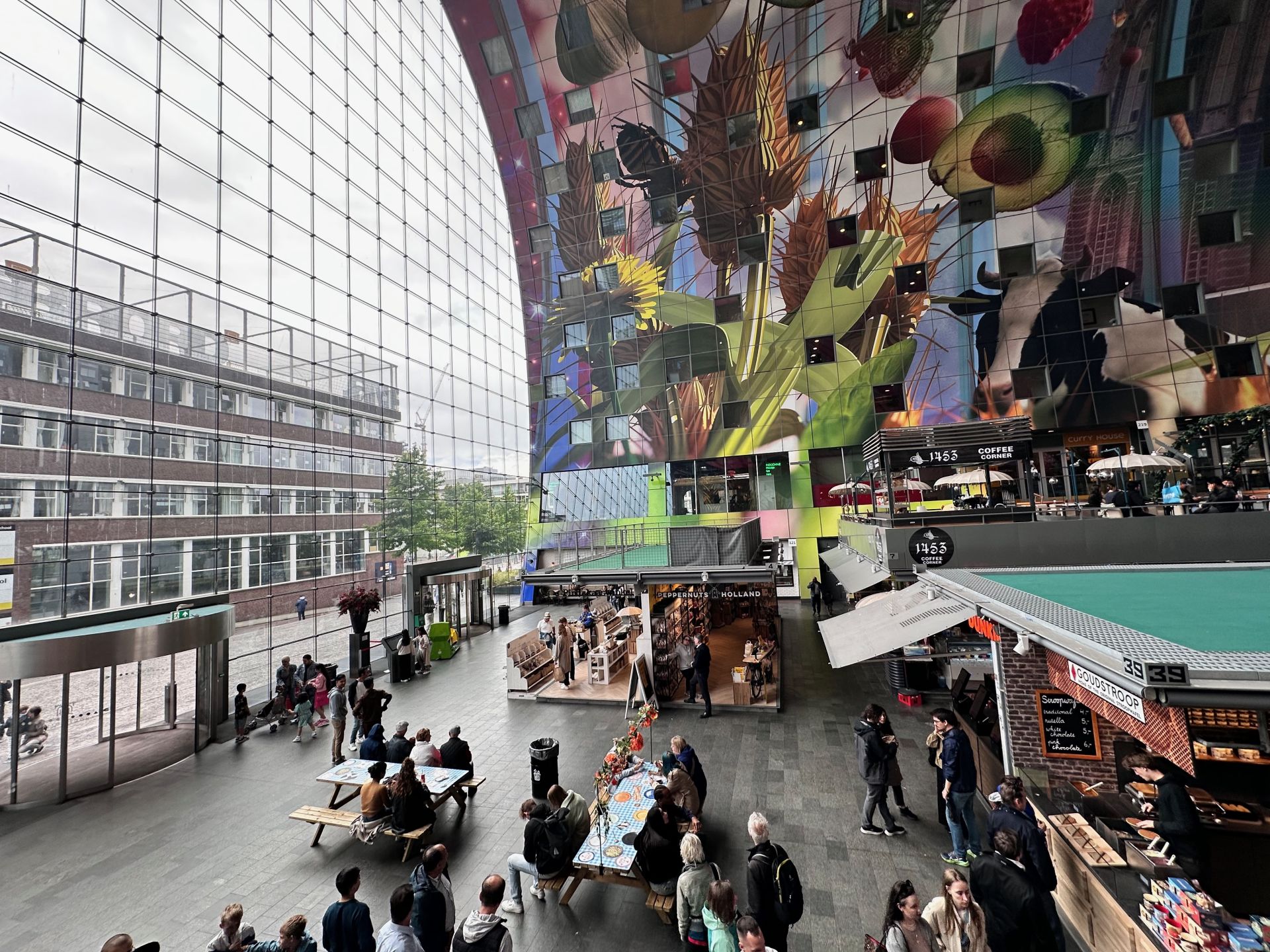
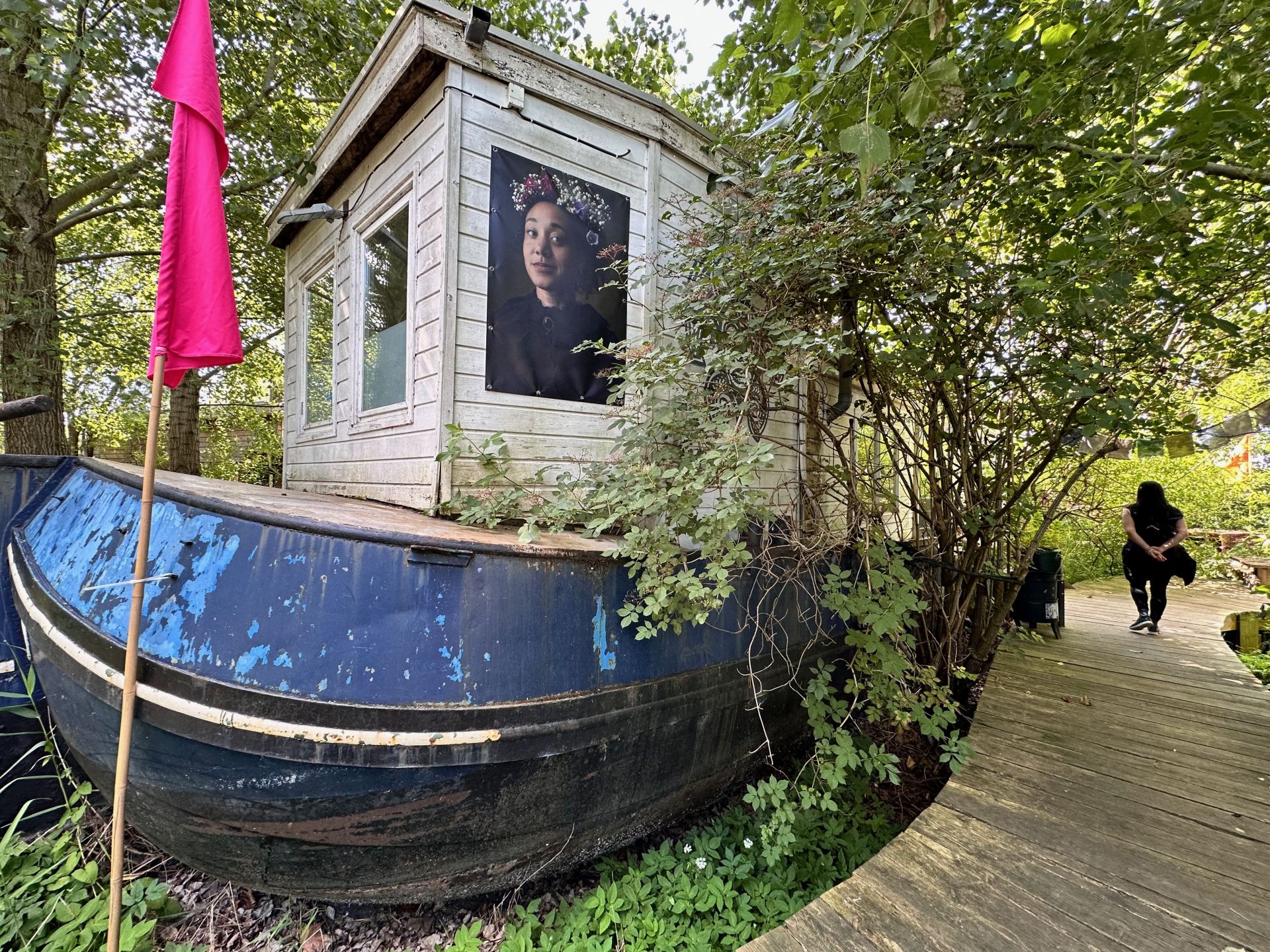
Our visit spanned historical and current projects — singular buildings, community driven ventures, and large scale urban renewal projects with many civic and private partnerships.
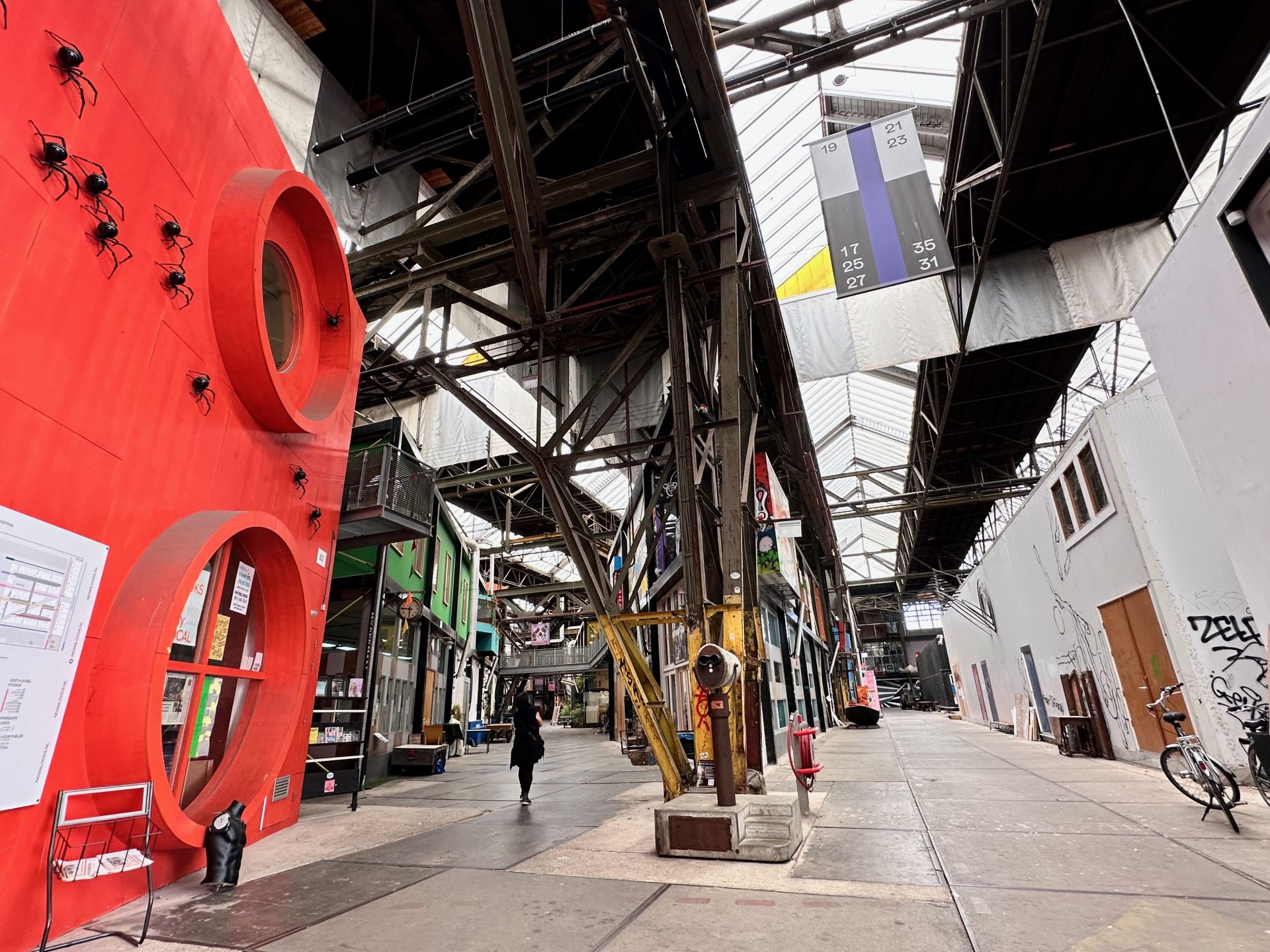
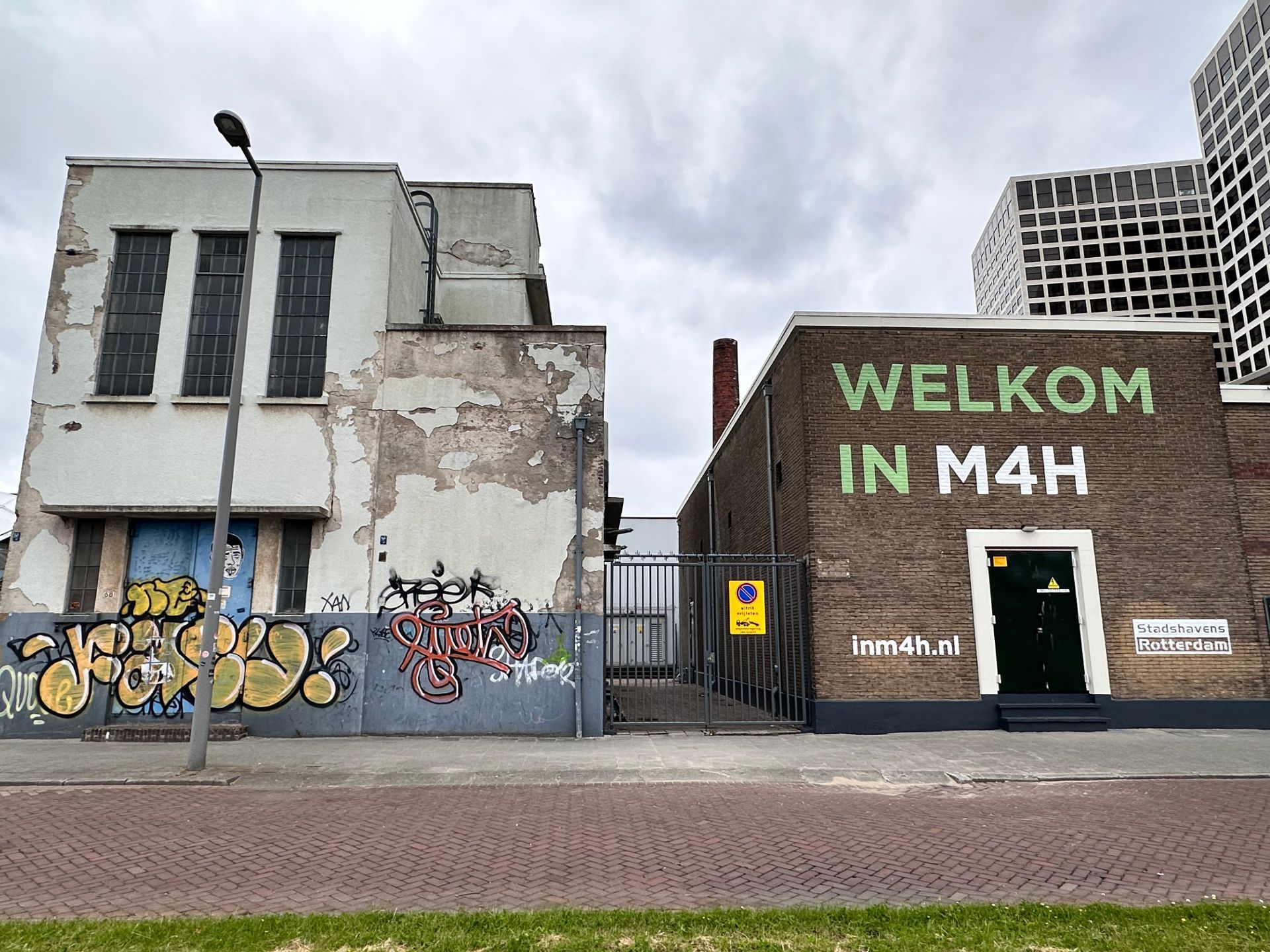
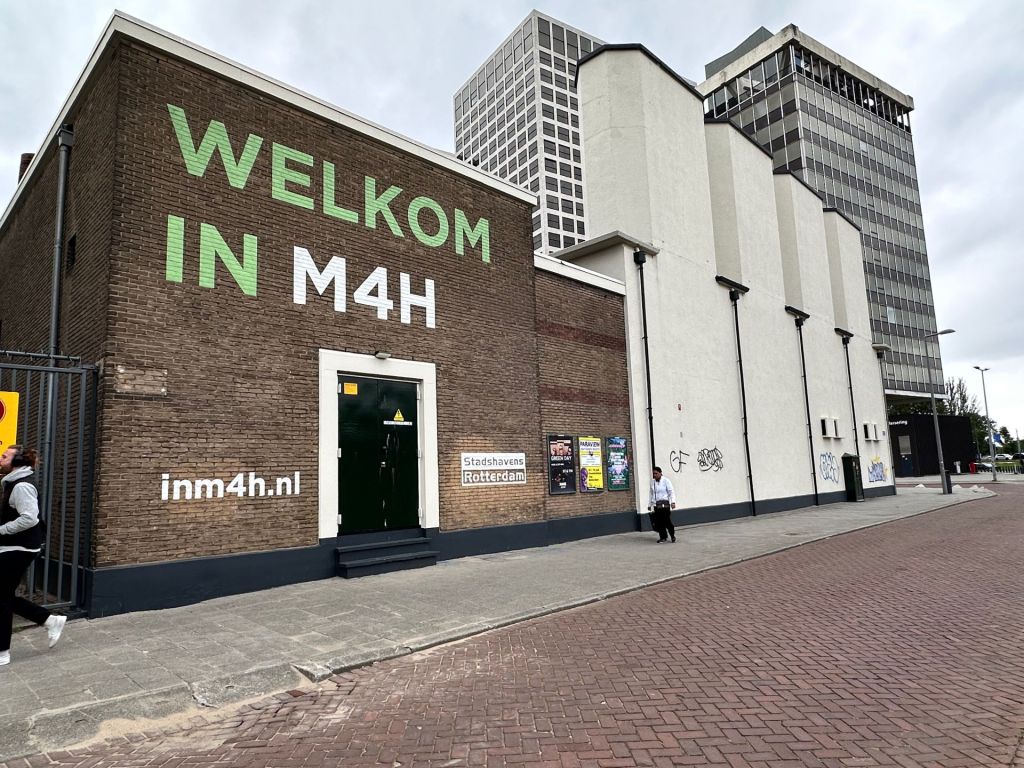
In Rotterdam and Amsterdam we focused on sites that, when heavy industry left, saw many craftspeople, artisans and small-scale manufacturers arrive. These industrial units became studios and workshops for entrepreneurs and small businesses.
In the design and planning community, the Netherlands is known for their willingness to experiment with alternative and green technology, transit-oriented visions, and a sustainable and circular economy. For the previously massive industrial complexes, Dutch urban planning strategies aim to keep creative and small-scale manufacturers in place and — within this framework — introduce housing. There is active conversation and a concerted move towards hybrid buildings and mixed-use streets and neighbourhoods.

 live | make | transform