
kawai kanjiro house : part 1
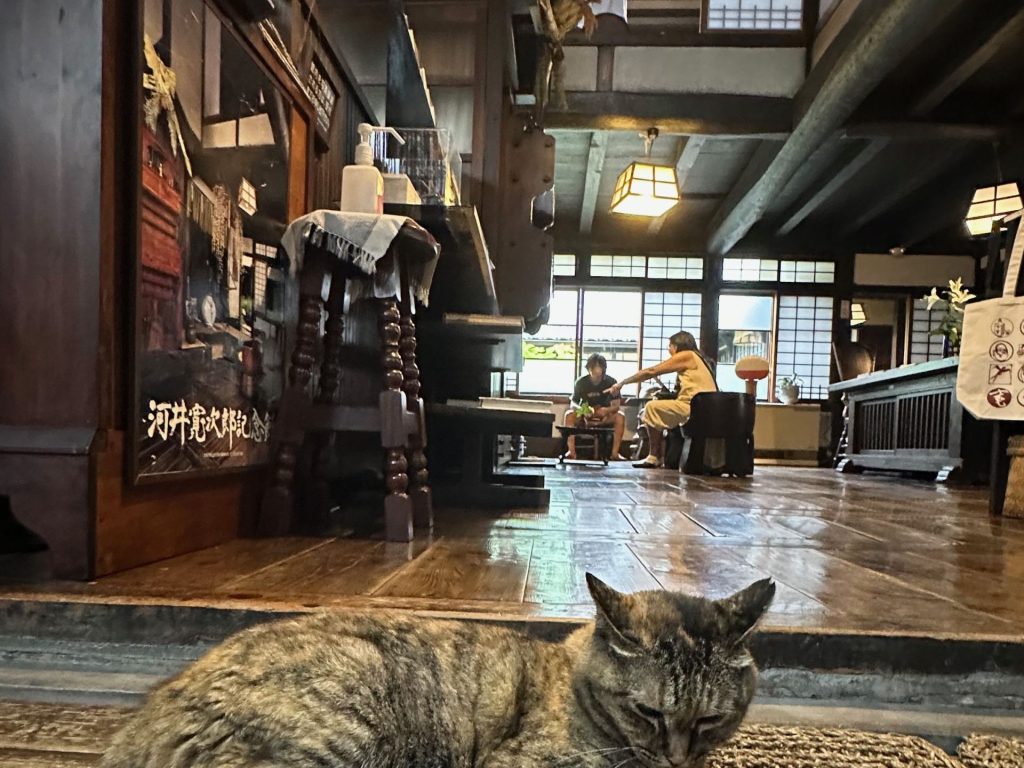
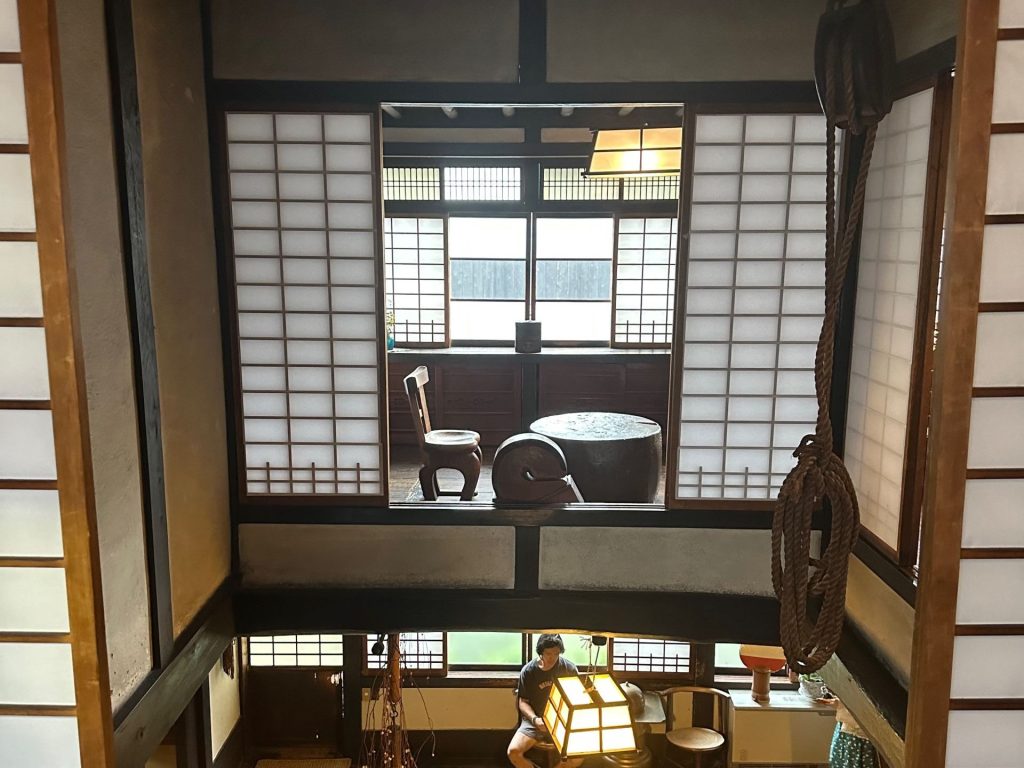
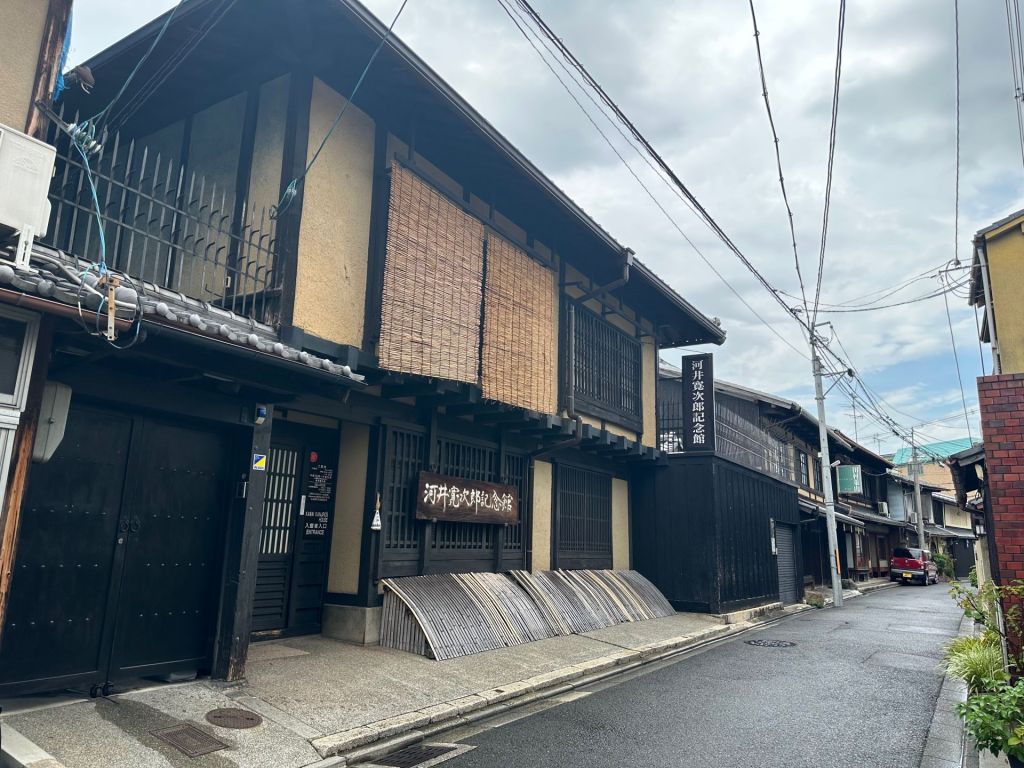
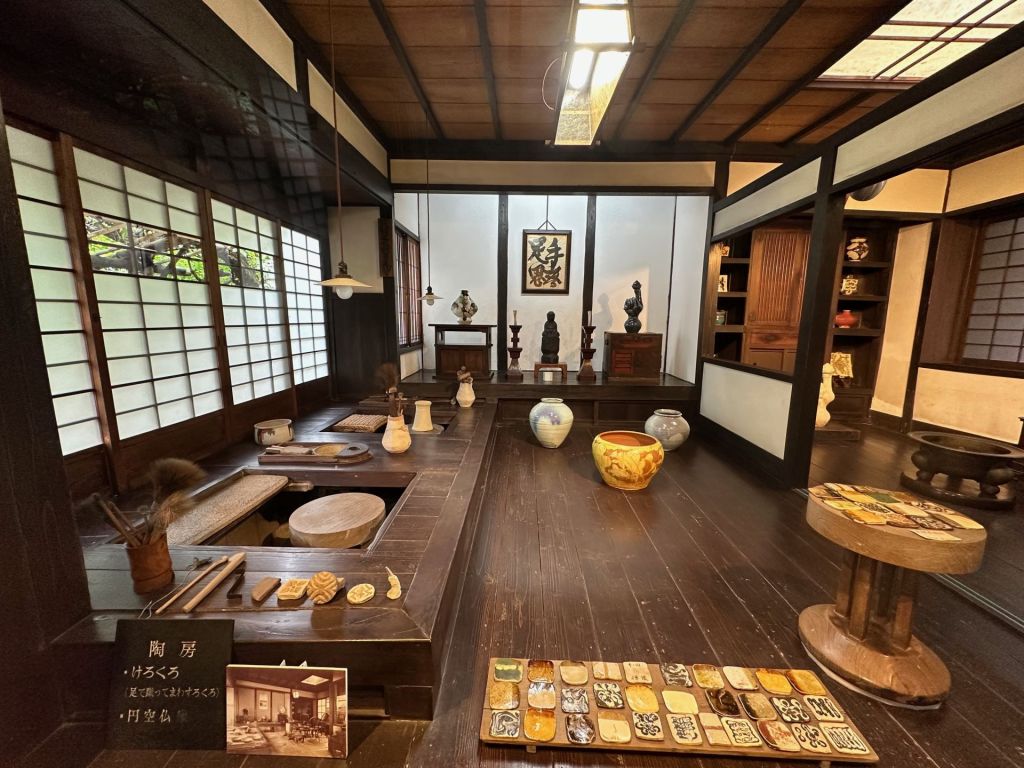
The Kawai Kanjiro House (1937) is another example of how a work space is incorporated into a machiya.
Kawai Kanjiro was a celebrated Japanese ceramist, artist, woodworker and writer. His house consists of : 1) a residence, and 2) a studio, workshop and pottery kilns.
A key figure in mingei, a Japanese folk craft movement, Kawai Kanjiro designed and lived in this house for many years. It is filled with his pottery, hand crafted chairs and a collection of both artisan and everyday objects.
kawai kanjiro house : part 2
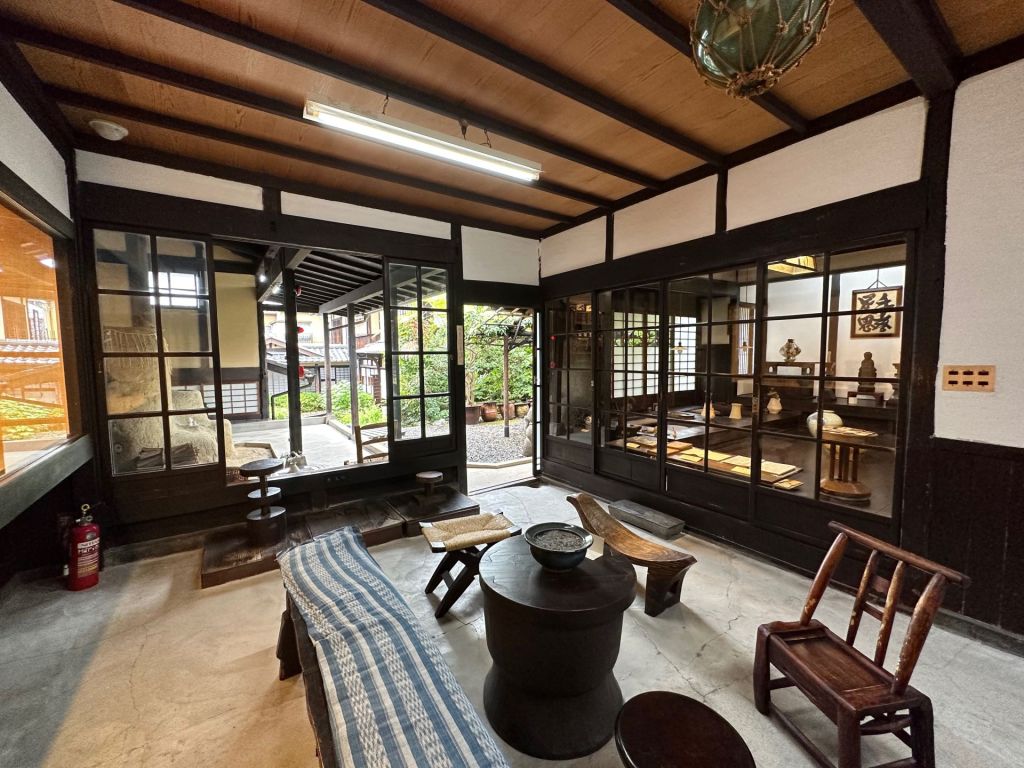
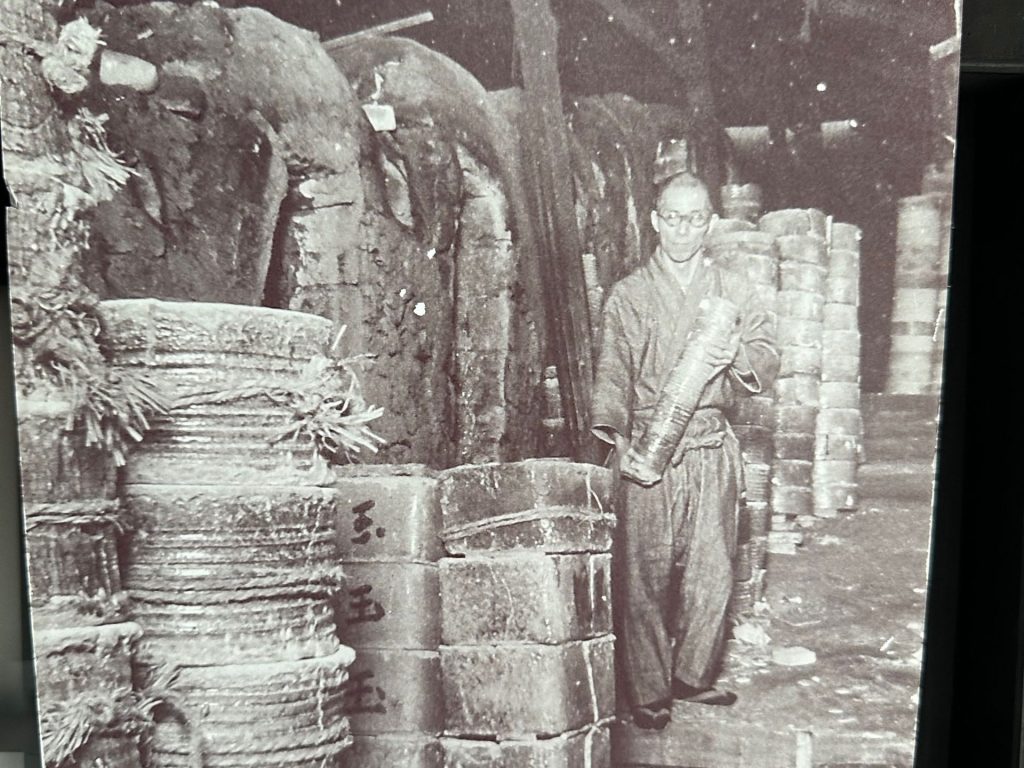
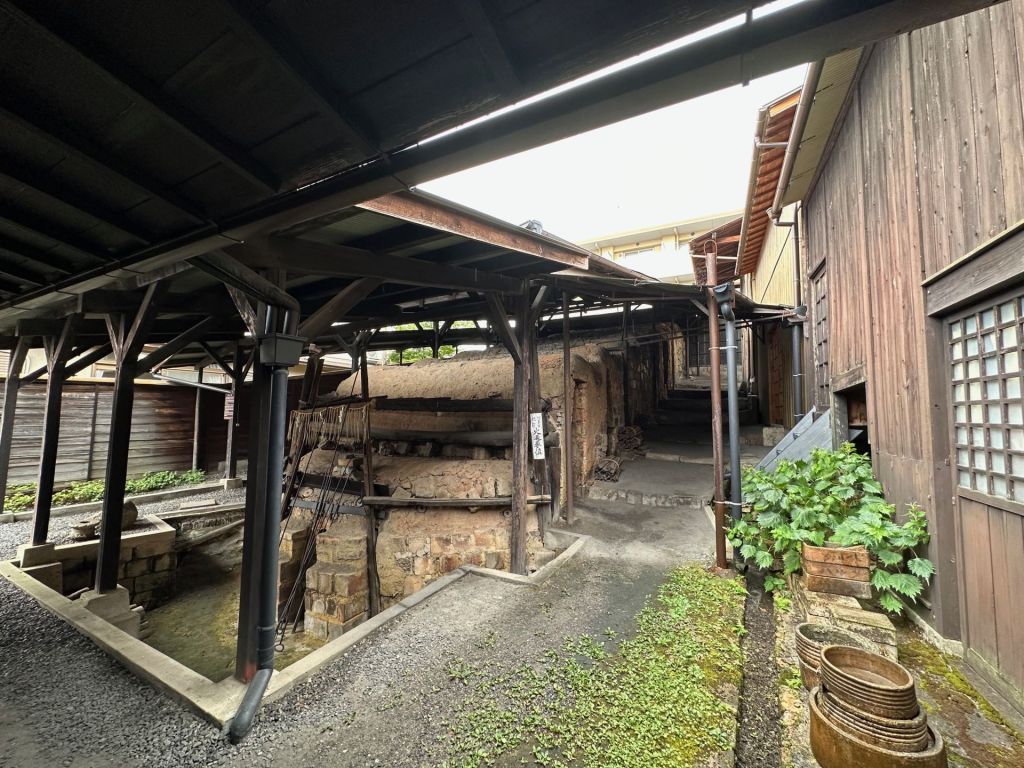
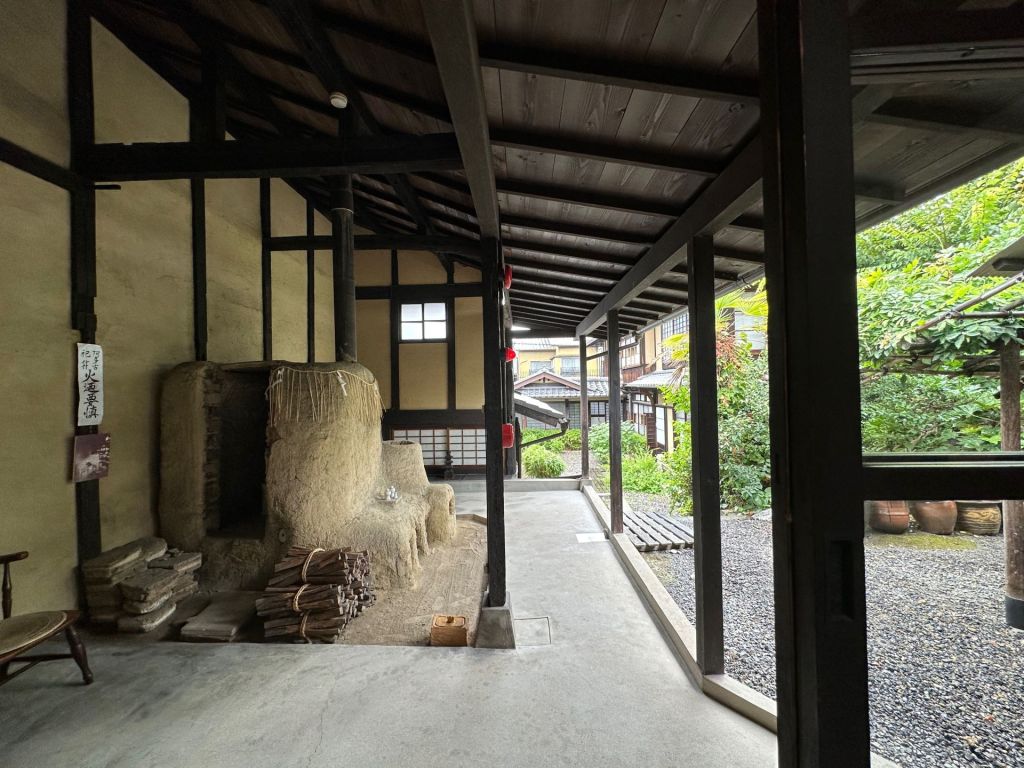
Located in a neighbourhood historically and currently associated with artisanal ceramics, one of the most unusual features of this machiya is the ‘noborigama’ or climbing kiln located in the earthen area of the rear courtyard. This large climbing kiln is constructed on sloping terrain and has walk-in chambers of various sizes.
The noborigama was built by Kawai Kanjiro on his private property. He wanted to share this essential piece of equipment with his community of potters. This private-to-communal kiln was used by a co-op of at least twenty different groups. Fired up every few months, this communal kiln would take approximately 30 kg of wood, and was continually fed for several days to reach a temperature of 1350°C.
The shared aspect of the noborigama directly contributed to the neighbourhood’s reputation as a thriving pottery district with established and upcoming potters and shops.
 live | make | transform