
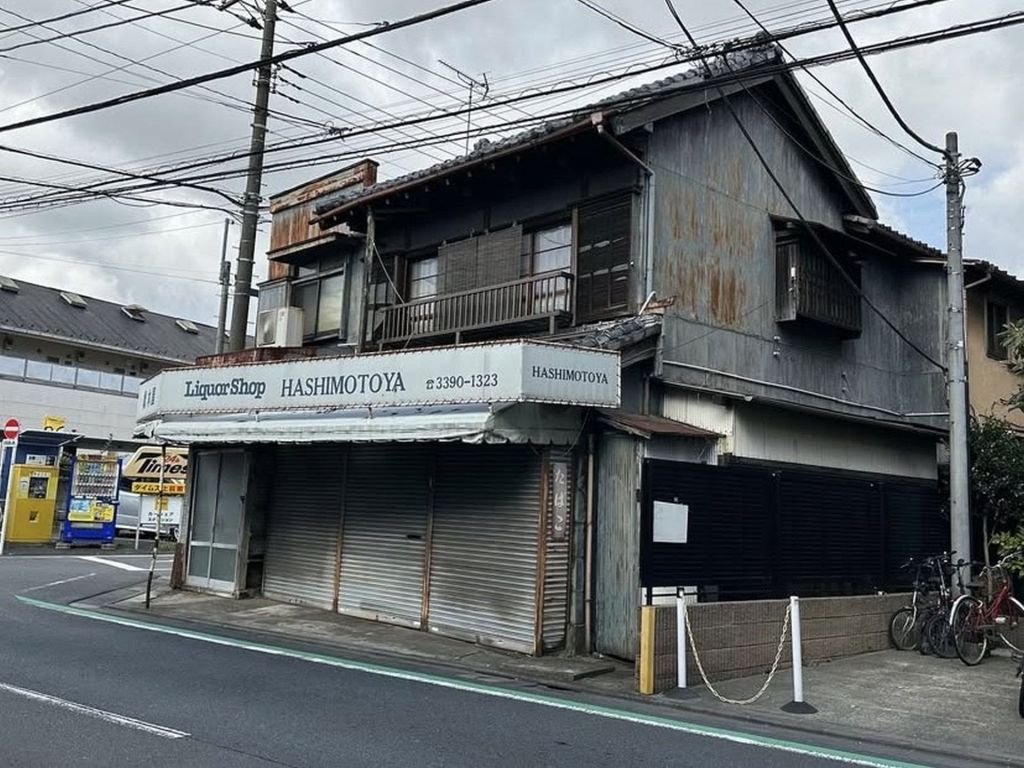

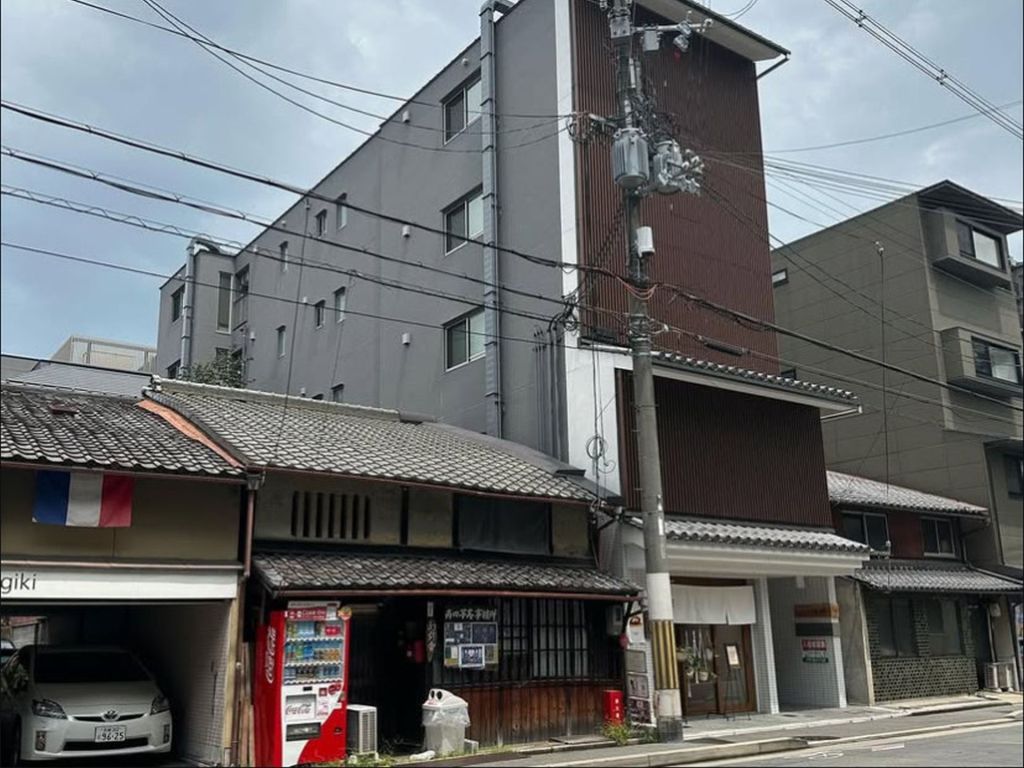
For many centuries, machiya were the fabric of the streets, towns and cities of Japan. The existing stock of machiya are approximately 80 – 100 years old and their numbers are dwindling.
We saw many dilapidated machiya. Some suffered from insensitive but economical renovations. Some were part of larger street and canopy improvements and are now barely recognizable. Some were dwarfed by new developments and bracing for an uncertain future.
These wooden townhouses and their neighbourhoods are facing challenges on many fronts :
1) Wooden structures require constant maintenance and significant funds for repair.
2) Many of the makers and small business owners are getting older, and there are few apprentices and paths for succession.
3) Property taxes and inheritance taxes are high.
4) property values are rising in desirable locations, and there is increasing pressure to sell to large-scale developers.
Despite these challenges, the next few sites highlight several different ways in which the machiya of the past have moved forward.
 live | make | transform