
Tag: japan1
-
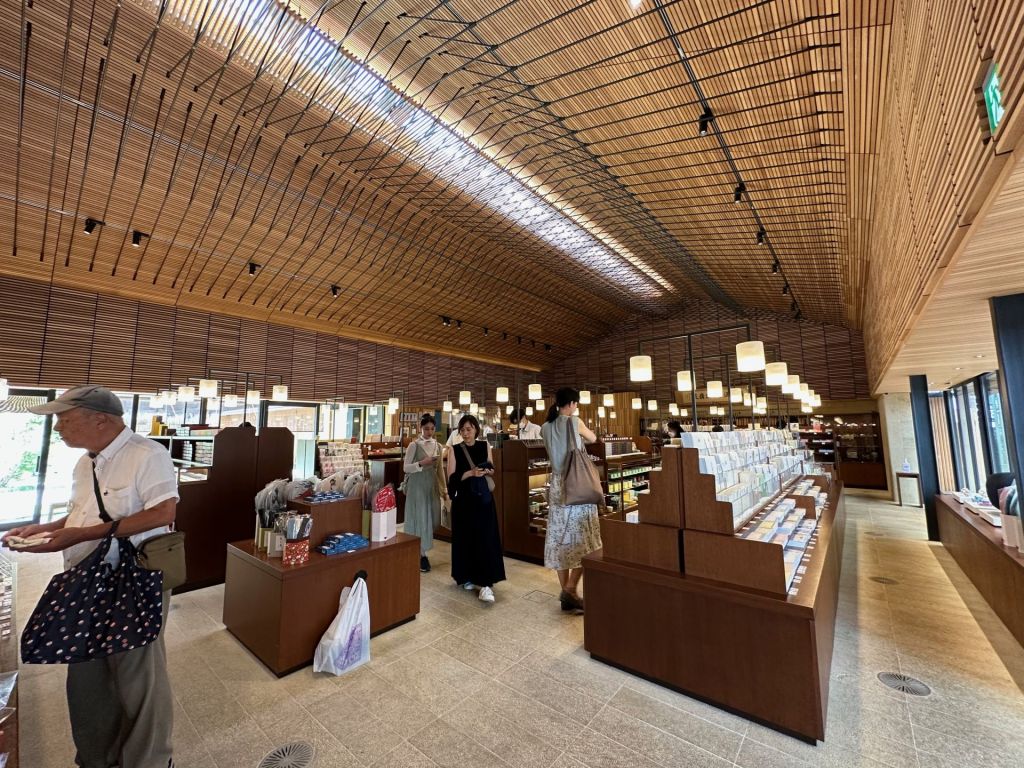
The bones of Kyoto’s town planning were laid out in ancient times, with some of its streets and neighborhoods reflecting forms derived from a main activity and its supporting elements. (i.e. pottery, textiles, leather goods, etc.). These historical neighborhoods still maintain a traditional feel, with narrow lanes, wooden buildings and stone paved streets. In many…
-
nagaya : part 1 Walking the streets of Kyoto you come across entrances leading to a back alley, and teasing glimpses into the hidden life of the nagaya. The nagaya (long house) goes back to the Edo period, and is a type of dwelling for the working class. These row houses are one or two…

-
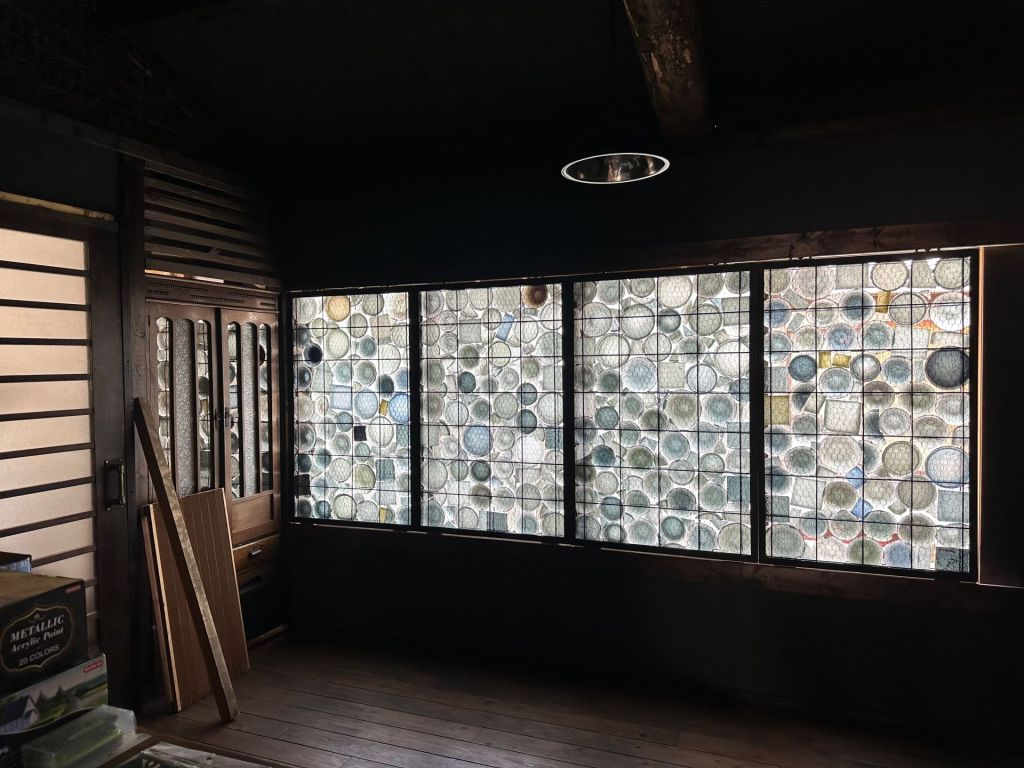
Modern machiya and their neighbourhoods are being revitalized by a new generation of makers. In addition to their considerable skills, these young artisans bring an enthusiasm, an optimistic vision and a sense of community which energizes historic maker districts. We visited Fujimoriryo in the Nishijin area of Kyoto. This two storey 90-year-old machiya no longer…
-
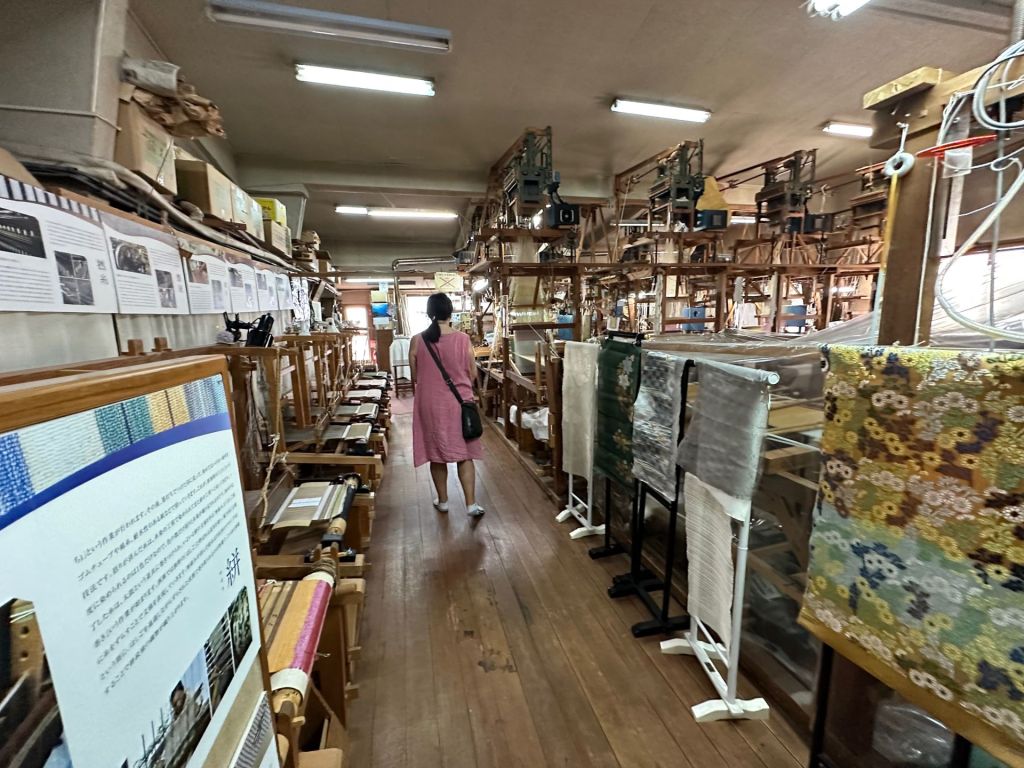
wataban / orinasu-kan : part 1 Nishijin is the historical center of the textile industry in Kyoto. This storied weaving district is home to many machiya and weaver houses (a dwelling with a small weaving workshop). This large weaver house (1936) was originally owned by the founder of Watabun (1906), a textile company specializing in…
-
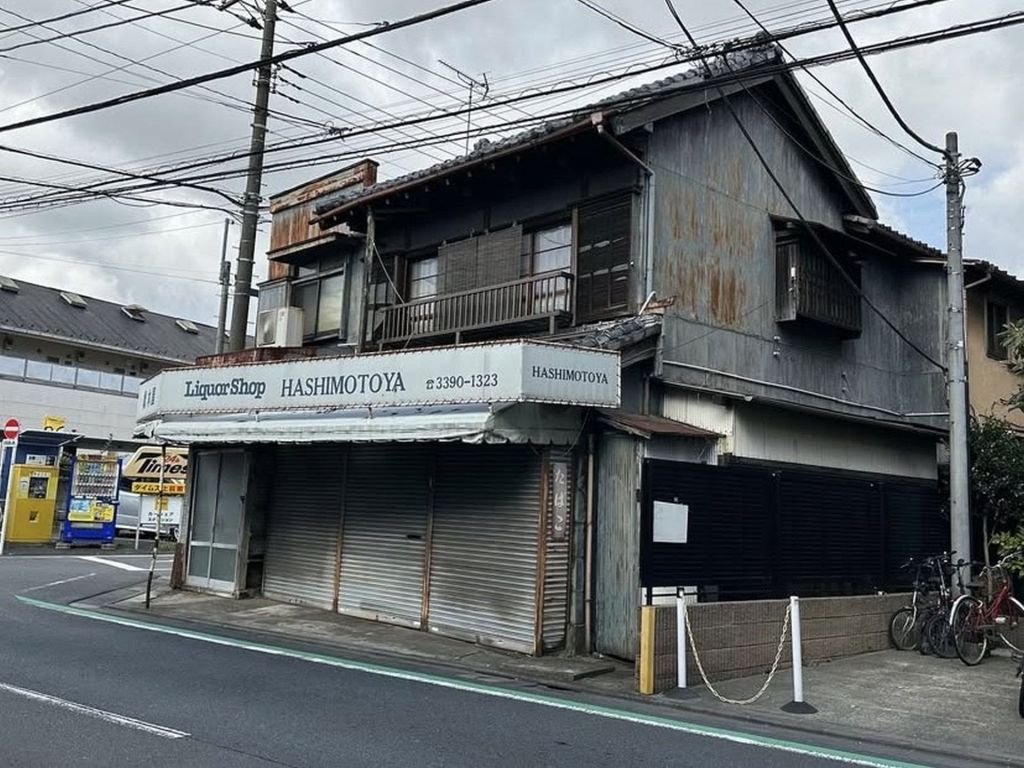
For many centuries, machiya were the fabric of the streets, towns and cities of Japan. The existing stock of machiya are approximately 80 – 100 years old and their numbers are dwindling. We saw many dilapidated machiya. Some suffered from insensitive but economical renovations. Some were part of larger street and canopy improvements and are…
-
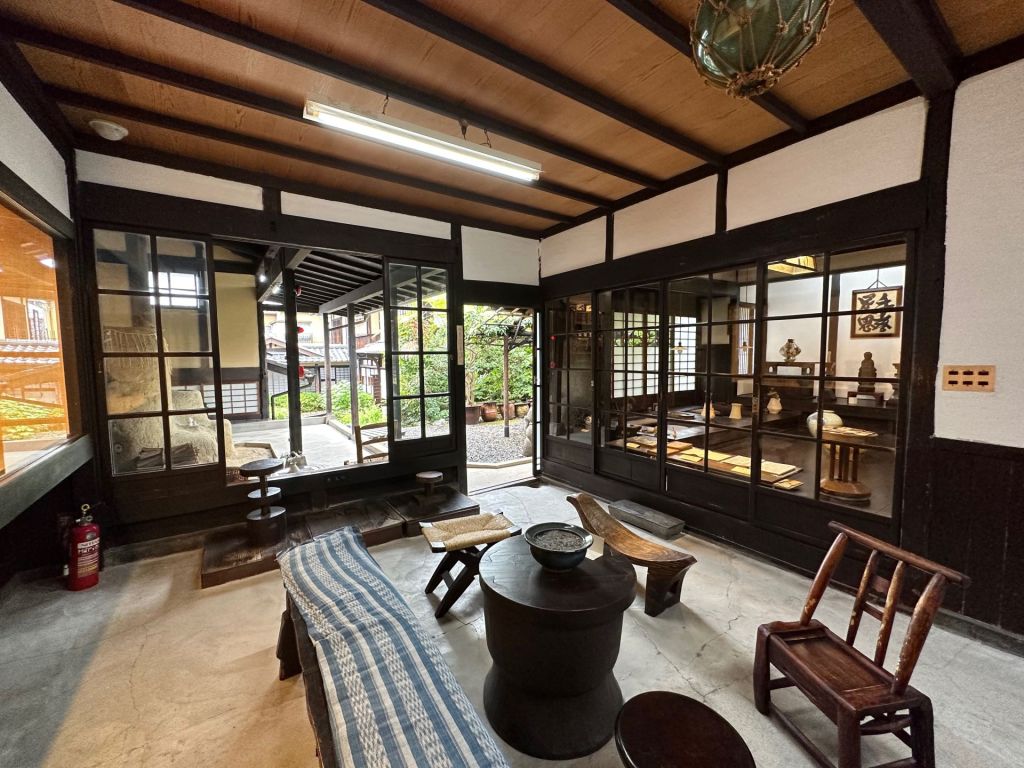
kawai kanjiro house : part 1 The Kawai Kanjiro House (1937) is another example of how a work space is incorporated into a machiya. Kawai Kanjiro was a celebrated Japanese ceramist, artist, woodworker and writer. His house consists of : 1) a residence, and 2) a studio, workshop and pottery kilns. A key figure in…
-
The Yoshijima House (1907) is an example of a large machiya — a wooden townhouse in Japan that combines dwelling and workplace, often for merchants or craftspeople. This house was the residence of the Yoshijima family, their servants and workers. It was also a maker space, containing a sake brewery and storehouses. Carried over from…

-
Some of the earliest examples of a live/make space can be seen in rural areas with modest farmhouses. We visited the Edo Open-Air Tsunashima Family Farmhouse (reconstructed, approx 1600-1860), which demonstrates an immediate relationship of living and making. The floor plan highlights a multi-purpose workspace incorporated within a single large roof structure, while living spaces…

 live | make | transform